
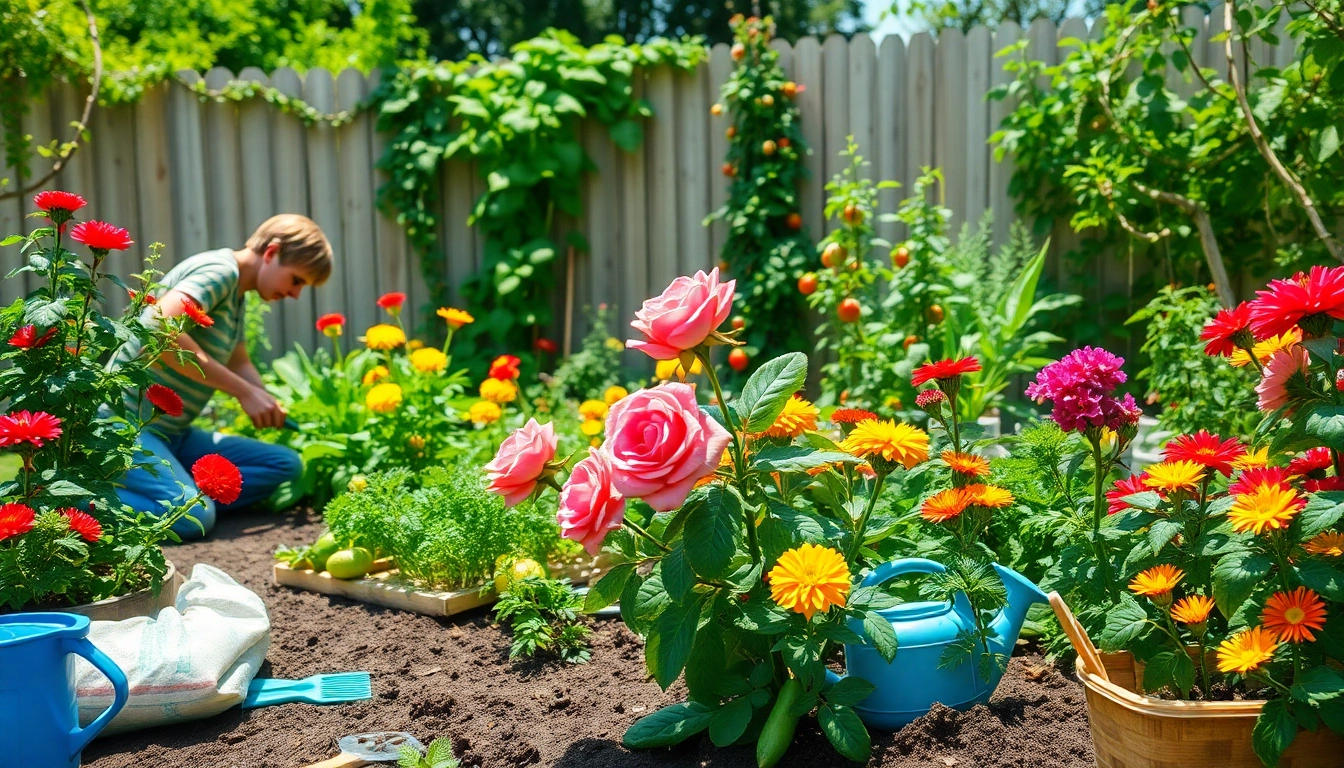

Understanding the Basics of Gardening
Gardening serves as a therapeutic and fulfilling hobby, offering countless benefits beyond aesthetics. It allows individuals to engage in nature while cultivating their own plants for decoration or food, returning to a primal connection with the earth. For those seeking to broaden their skill set or start their own Gardening journey, understanding the fundamentals is paramount. This guide aims to illuminate the essentials, from comprehensive techniques to practical tips, facilitating a fruitful gardening experience for enthusiasts of all levels.
What is Gardening?
At its core, Gardening encompasses the cultivation and maintenance of plants in various environments. This can range from ornamental gardens rich with vibrant blooms to productive vegetable plots that yield nutritious food. Gardening requires not only a passion for nature but also an understanding of how plants interact with their environment, including factors like sunlight, soil, and water.
Essentially, Gardening is a blend of art and science, where creativity in designing spaces meets the numerical logic of plant biology and ecology. You can learn more about the different aspects of this dynamic field Gardening.
Key Principles of Effective Gardening
Whether you’re nurturing a small container garden or tending to expansive vegetable fields, several principles guide effective gardening practices:
- Soil Health: Healthy soil is the foundation of robust plants. Understanding soil composition and testing pH levels can provide guidance on how to improve soil health through organic matter and nutrients.
- Water Management: Proper watering schedules and methods, including drip irrigation or mulching, help maintain consistent moisture, which is vital for plant growth.
- Sunlight Exposure: Different plants require varying amounts of sunlight. Understanding the sunlight requirements of each plant is crucial in their arrangement within your garden.
- Plant Diversity: Encouraging different types of plants can prevent disease and attract beneficial insects, leading to a more balanced ecosystem.
Types of Gardening: From Flower Gardens to Vegetable Spaces
A myriad of gardening styles exists, each catering to unique interests and practical outcomes. Here are some primary types of Gardening:
- Flower Gardening: Focuses on cultivating flowering plants to enhance aesthetic appeal, encompassing both annuals and perennials.
- Vegetable Gardening: Dedicated to growing edible plants, often organized in plots or raised beds to maximize productivity.
- Herb Gardening: Small-scale cultivation, frequently on windowsills or small patches, emphasizing flavoring agents and medicinal plants.
- Container Gardening: Perfect for limited spaces, using pots and planters to grow various plants without a garden bed.
- Sustainable and Organic Gardening: Focused on environmentally friendly practices, these methods reduce chemical use, emphasizing biodiversity and soil health.
Preparing Your Garden Space
Choosing the Right Location for Gardening
The success of your garden heavily depends on your chosen location. Here are critical considerations when selecting an optimal spot:
- Sunlight: Ensure the area receives adequate sunlight for your chosen plants. Most gardens thrive best in at least six to eight hours of direct sunlight each day.
- Accessibility: The site should be easily accessible for maintenance, watering, and harvesting without too much strain.
- Air Circulation: Good airflow around your plants can help reduce diseases and pest infestations, thus improving plant health.
- Soil Quality: Assess the soil quality before planting. Conduct soil tests to determine pH levels and identify necessary amendments.
Soil Preparation Techniques for Optimal Growth
Soil preparation is essential for productive Gardening, influencing growth and yield significantly. Here are steps to prepare your soil for planting:
- Testing the Soil: Use kits to check pH levels and nutrient content, helping you make informed decisions about amendments.
- Amend with Organic Matter: Incorporate compost or well-rotted manure to enhance soil structure, improve drainage, and increase nutrient availability.
- Tilling and Aeration: Break up compacted soil (if necessary) to promote aeration and root penetration. Ensure the soil is loose but not excessively tilled to preserve beneficial organisms.
- Mulching: Applying organic mulch can help retain moisture and suppress weeds, leading to better growth conditions.
Tools You Need for Successful Gardening
A well-equipped gardener is a successful gardener. Here’s a list of essential gardening tools that can enhance your experience:
- Hand Tools: Trowels, pruners, and weeders are indispensable for everyday tasks.
- Shovels and Rakes: Useful for digging, planting, and soil preparation, they are fundamental for any extensive gardening project.
- Watering Equipment: Quality hoses, watering cans, or irrigation systems will effectively manage your garden’s hydration requirements.
- Gardening Gloves: Protect your hands when working with soil and plants to avoid cuts, blisters, and irritation.
Selecting Plants for Your Garden
Factors to Consider When Choosing Plants
Selecting the right plants is critical for creating a successful garden. A few vital factors to consider include:
- Climate: Ensure that the plants you want to grow can thrive in your local climate zone, taking into account temperature, rainfall, and seasonal variations.
- Soil Type: Some plants may require sandy soils, while others flourish in clay or loamy conditions. Matching plants to your soil type can facilitate better growth.
- Growth Space: Be attentive to the mature size of plants to avoid overcrowding or overshadowing other plants.
- Purpose of the Garden: Determine if you want your garden to be ornamental, functional, or both, guiding your plant selection process.
Annual vs. Perennial Plants: What’s Best for You?
Understanding the differences between annual and perennial plants can help you optimize your gardening strategies:
- Annual Plants: These plants complete their life cycle in one season, requiring replanting each year. They often provide vibrant color and variety.
- Perennial Plants: Living for multiple years, perennials may require a more significant initial investment of time and resources, but they can provide continual blooms and yields once established.
- Deciding Factors: Consider your commitment to the garden and personal preferences in terms of aesthetics and maintenance. A balanced mix can often yield great results.
Recommendations for Beginner-Friendly Plants
For novice gardeners looking for ease in cultivating species, certain plants are more forgiving and easy to grow:
- Marigolds: These vibrant flowers add color and can deter pests.
- Radishes: Quick-growing vegetables, they require minimal care.
- Mint: Aromatic and hardy, mint can flourish in various conditions.
- Tomatoes: Hardy and rewarding, tomatoes are excellent for beginners wanting to grow food.
Advanced Gardening Techniques
Companion Planting for Better Yields
Companion planting is an advanced technique where certain plants are grown together for mutual benefit. Here are key benefits:
- Pest Control: Some plants naturally repel pests that could harm neighboring plants.
- Nitrogen Fixation: Legumes, for instance, can enhance soil fertility and benefit subsequent plantings.
- Improved Growth: Taller plants can provide shade for lower-growing ones, creating a microclimate that promotes growth.
Organic Gardening Methods for Healthy Growth
Organic gardening emphasizes sustainability through natural methods. Here’s how you can implement organic practices:
- Natural Fertilizers: Utilize compost, bone meal, and fish emulsion to enhance soil fertility without synthetic chemicals.
- Crop Rotation: Alternating plant families each season helps prevent soil depletion and reduces pest buildup.
- Encouraging Beneficial Insects: Plant flowers that attract pollinators and other beneficial organisms to maintain an ecological balance in pest control.
Pest Control Strategies in Gardening
Pest management is an essential aspect of successful gardening. Here’s a multifaceted approach to controlling pests:
- Regular Monitoring: Routinely check your plants for signs of pests or infestations, acting quickly to mitigate any issues.
- Natural Predators: Introduce or encourage birds and beneficial insects like ladybugs to manage pest populations naturally.
- Homemade Remedies: Solutions like neem oil spray can deter pests without harmful side effects.
- Integrated Pest Management (IPM): Combine various strategies and practices for comprehensive pest control tailored to specific gardening situations.
Maintaining Your Garden Year-Round
Seasonal Gardening Tips for Continued Success
Each season presents unique challenges and opportunities in Gardening. Here’s how to adapt:
- Spring: Focus on preparation—testing soil, planning layouts, and selecting plants for the growing season.
- Summer: Employ regular watering and maintenance, including weed management and pest control.
- Fall: Harvest crops, plant cover crops, and prepare beds for winter dormancy.
- Winter: Protect perennials with mulching and planning for the upcoming season through research and design.
Watering and Fertilizing: Best Practices in Gardening
Watering and fertilizing are critical to maintaining garden health. Here are essential tips:
- Watering: Implement deep watering techniques early in the morning or late in the evening to allow for absorption without evaporation.
- Fertilizing Schedule: Adopt a schedule based on plant needs; often, less is more with organic fertilizers.
- Monitoring: Keep a close eye on plant reactions post-fertilization; adjust accordingly for optimal growth.
Troubleshooting Common Gardening Issues
Even the best gardeners run into problems. Here’s how to tackle common issues:
- Wilting Plants: Assess for inadequate water, root problems, or disease. Adjust soil and care practices accordingly.
- Pale Leaves: This symptom may signal nutrient deficiencies; consider testing and amending soil or using targeted fertilizers.
- Slow Growth: Evaluate sunlight exposure and soil conditions. Ensure that plants are in suitable environments for their growth needs.
- Pest Infestations: Identify pests quickly and apply appropriate organic control methods while considering beneficial insects that could assist in management.