
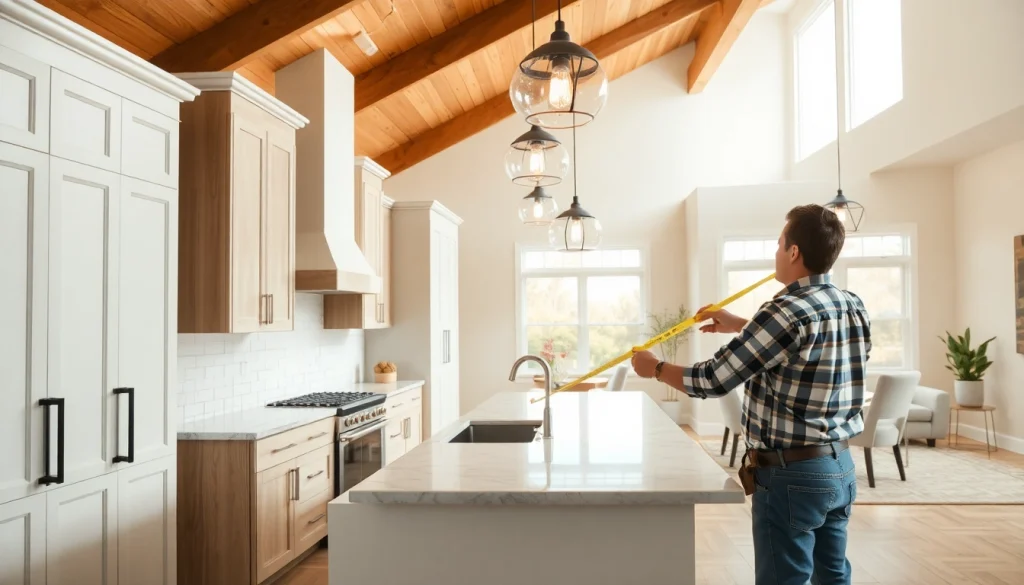
Understanding the Importance of Home Renovation
Home renovation can significantly enhance the aesthetics and functionality of your living space. With a multitude of benefits ranging from increased property value to improved comfort and energy efficiency, understanding this process is crucial for homeowners looking to make informed decisions. By investing in home renovation, you are not just enhancing your living environment; you are also making a long-term investment that could yield impressive returns. For more comprehensive insights on Home renovation, you’ll discover strategies that can elevate both your space and your overall experience in it.
Defining Home Renovation and Its Benefits
Home renovation encompasses a wide range of upgrades and improvements made to existing residential properties. These can include anything from simple aesthetic updates, such as repainting walls, to major structural changes, including adding new rooms or even entire stories. The advantages of such improvements are profound:
- Increased Property Value: Well-planned renovations can significantly enhance the resale value of your home. Projects such as kitchen remodels or bathroom upgrades often provide high returns on investment.
- Enhanced Comfort and Functionality: Renovating outdated spaces allows homeowners to create environments that better meet their needs, whether it’s by increasing natural light, improving layouts, or updating appliances.
- Energy Efficiency: Many home renovations focus on updating to more energy-efficient appliances and materials, which can lead to reduced utility bills and a smaller carbon footprint.
- Aesthetics and Customization: Renovating provides an opportunity to put a personal touch on your home, allowing for customization that reflects your style and preferences.
Common Misconceptions about Home Renovation
There are many myths surrounding home renovation that can mislead homeowners:
- All Renovations Increase Value: While many improvements can raise home value, not all renovations yield a good return on investment. It’s essential to research which projects are worth it.
- DIY is Always Cheaper: While some projects may be feasible to handle yourself, major renovations often require professional expertise to ensure quality and compliance with building codes.
- Renovation is Always Stressful: With thorough planning and the right team, many homeowners experience smooth renovations. Preparation is key to minimizing stress.
Assessing Your Needs for Home Renovation
Before embarking on any renovation project, it is crucial to assess your specific needs and goals. This involves identifying areas in your home that require improvement and defining your ultimate objectives for the renovation. Questions to consider include:
- What specific problems are you trying to solve? (e.g., lack of space, outdated facilities)
- What is your budget and timeframe for the project?
- How do you envision using the renovated space in the future?
Planning Your Home Renovation Project
Setting a Realistic Budget for Home Renovation
Creating a detailed budget is vital to the success of your renovation project. Your budget should reflect not only the costs of materials and labor but also incorporate a contingency fund for unexpected expenses. Common budgeting strategies include:
- Researching Costs: Conduct thorough research on the costs involved in labor, materials, and permits for your specific renovation projects.
- Creating a Priority List: Identify which renovations are most important and allocate a higher budget to those areas.
- Building a Contingency Fund: Set aside 10-20% of your budget for unforeseen costs that often arise during renovation.
Creating a Functional Design Plan
A functional design plan is essential for a successful renovation. This plan should take into consideration your lifestyle, the layout of your home, and current design trends. Key aspects of your design plan should include:
- Space Planning: Determine how you want to use each room and how the layout can improve overall flow and functionality.
- Design Style: Choose a design style that complements your home’s architecture and fits your personal tastes.
- Consult with Experts: Engaging with architects or interior designers can provide expert insights and may help refine your design concept.
Choosing Materials and Finishes for Home Renovation
The selection of materials and finishes has a significant impact on the longevity and aesthetics of your renovation. Factors to consider include:
- Durability: Select materials that not only look good but also stand the test of time, especially in high-use areas.
- Maintenance: Consider how much upkeep each material will require; some materials require more maintenance than others.
- Quality vs. Cost: Invest in quality materials where it matters, such as kitchen and bathroom fixtures, while being smart in less visible areas.
Executing Your Home Renovation Successfully
Finding Reliable Contractors for Home Renovation
Choosing the right contractor is pivotal in executing your renovation. To ensure you find a reliable contractor:
- Do Your Research: Look for licensed and insured contractors with strong online reviews and testimonials.
- Ask for Portfolios: Request portfolios of previous work to gauge the quality and style of their past projects.
- Get Multiple Quotes: Always obtain multiple quotes to ensure competitive pricing and transparency in costs.
Managing Time Effectively During Home Renovation
Effective time management is key to a successful renovation. Here are strategies to keep your project on track:
- Create a Timeline: Develop a detailed timeline for each phase of the renovation that outlines crucial deadlines.
- Stay Flexible: Be prepared to adjust your timeline for any unforeseen challenges while keeping a close eye on the overall progress.
- Regular Communication: Maintain consistent communication with your contractor to discuss any delays or changes in plans.
Overcoming Challenges in Home Renovation Projects
Every renovation project comes with its own set of challenges. Here are common issues and solutions:
- Budget Overruns: Regularly track expenses against your budget, and make adjustments as necessary to manage overspending.
- Delays in Work: Understand that some delays are unavoidable; however, open communication with your team can mitigate frustrations.
- Design Changes Mid-Project: While modifications can improve the final product, try to limit changes after work has begun to avoid additional costs and timeline extensions.
Maximizing Value in Home Renovation
Smart Renovation Choices that Enhance Home Value
Several renovation choices can lead to a substantial increase in your home’s market value. Some impactful renovations include:
- Kitchen Remodels: Modernizing kitchens typically yields one of the highest returns on investment.
- Bathroom Upgrades: Enhancing bathrooms, particularly by adding modern fixtures and finishes, can greatly attract potential buyers.
- Energy-Efficient Conversions: Installing energy-efficient windows, doors, and insulation can both lower utility bills and enhance property appeal.
The Role of Sustainability in Home Renovation
Sustainability has become a critical consideration for many homeowners when renovating. Sustainable practices include:
- Utilizing Reclaimed Materials: This is not only environmentally friendly but can also add unique character to your home.
- Incorporating Energy-Efficient Systems: Investing in energy-efficient heating, cooling, and lighting options can reduce long-term energy costs.
- Water Conservation: Features such as low-flow fixtures and rainwater harvesting can help reduce water usage and costs.
Home Renovation Trends to Consider for 2024
Staying current with trends can boost your renovation’s appeal. Significant trends to consider include:
- Biophilic Design: Incorporating natural elements and maximizing natural light attracts a more tranquil living environment.
- Multi-Functional Spaces: As working from home becomes more common, creating versatile spaces that serve multiple purposes is highly sought after.
- Smart Home Technology: Integrating smart devices for security and energy management is not just convenient; it’s increasingly desired by buyers.
Maintaining Your Newly Renovated Home
Essential Maintenance Tips for Renovated Spaces
Once your renovation is complete, maintaining your investment is crucial. Here are maintenance tips:
- Regular Inspections: Schedule yearly inspections for critical systems such as plumbing, electrical, and HVAC.
- Prompt Repairs: Address any damage or wear immediately to prevent larger issues down the road.
- Clean and Care for Finishes: Use appropriate cleaning products for your materials to preserve their condition and appearance.
Updating Your Home After Renovation
As trends and your lifestyle change, your home may require further updates post-renovation. Consider the following:
- Reassess Your Space: Regularly evaluate each room to determine whether further upgrades are needed to align with your lifestyle.
- Stay Informed on Trends: Keeping abreast of current trends can inspire you to make updates that enhance style and functionality.
- Plan for Future Projects: Budget and plan for future renovations to keep your home in top shape over time.
Long-Term Planning and Sustainability in Home Renovation
Sustainable renovations are not just about immediate effects but consider long-term planning. As you plan your renovation, think about:
- Longevity of Materials: Choose durable and timeless materials that require less frequent replacement.
- Energy Efficiency Over Time: Design your renovations with an eye on future energy costs and environmental impact.
- Adaptability: Consider future needs and potential changes in your household that may require further adaptation of the space.