
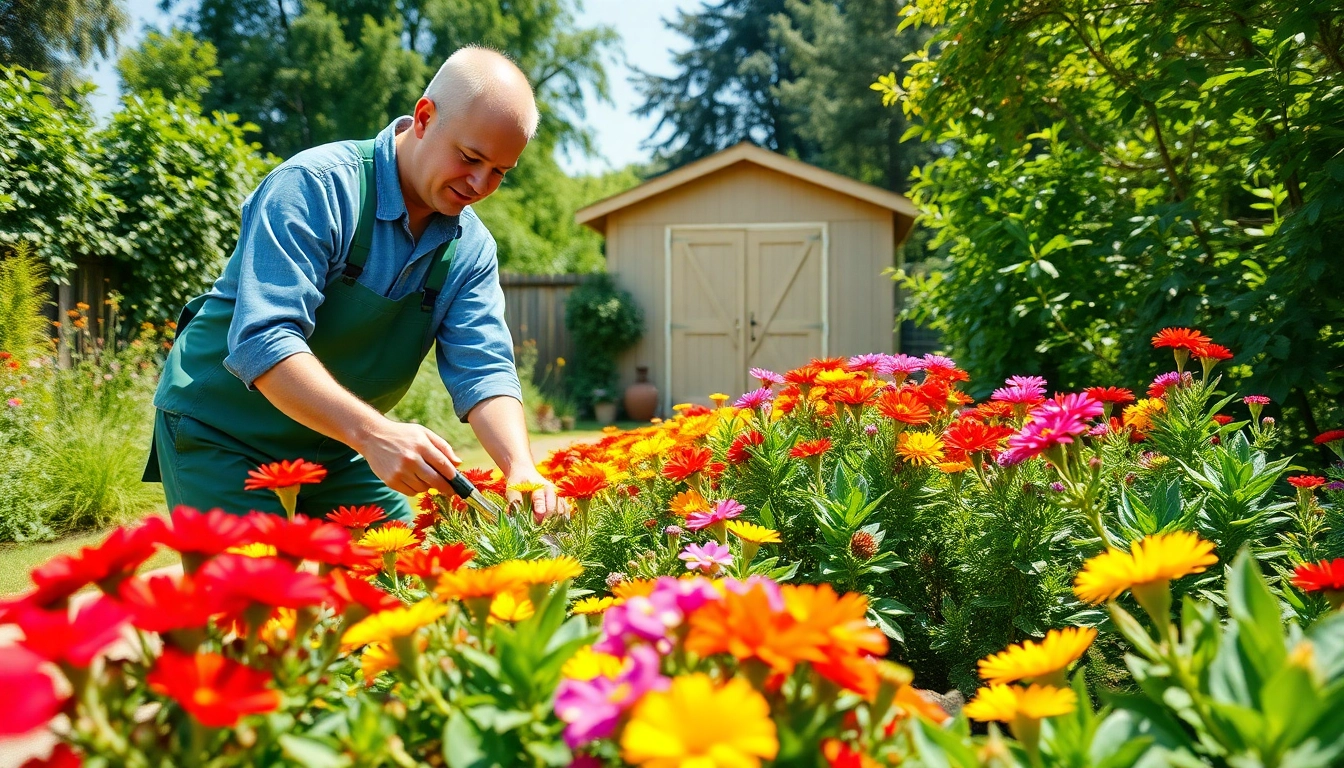

Getting Started with Gardening
Embarking on a gardening journey can be one of the most rewarding experiences. Not only does it provide you with fresh produce, beautiful flowers, and a sense of accomplishment, but it also connects you with nature. To aid your aspirations, it’s important to understand some basic principles that form the backbone of effective gardening practices. This guide will explore essential concepts, from understanding the basics to managing common challenges. Let’s dive in!
Whether you’re a beginner or someone looking to refine their skills, embracing the art of Gardening can enhance your living environment and improve your well-being.
Understanding the Basics of Gardening
Gardening is more than just planting seeds in the ground; it’s an intricate process that involves understanding plant biology, local ecosystems, and environmental factors. A successful garden begins with a foundation based on these principles:
- Photosynthesis: Learning how plants convert sunlight, water, and carbon dioxide into energy will help you understand their needs.
- Soil Health: Healthy soil feeds plants. It is vital to understand the components that make up good soil, including organic matter, nutrients, and pH levels.
- Water Cycle: Understanding how water moves through the environment affects how you manage irrigation and drainage in your garden.
Essential Gardening Tools Every Gardener Needs
Having the right tools can make all the difference in your gardening experience. Here’s a breakdown of some key tools every gardener should consider:
- Hand Trowel: Perfect for digging, planting, and transferring soil.
- Pruners: Ideal for trimming and shaping plants to encourage growth.
- Garden Fork: Excellent for loosening, lifting, and turning soil.
- Kneeling Pad: Provides comfort while planting and weeding.
- Watering Can or Hose: Essential for providing the right amount of water to your plants.
- Gardening Gloves: Protect your hands while working with soil and plants.
Selecting the Right Location for Your Garden
The success of your garden can significantly depend on where you choose to plant. Here are vital factors to consider when selecting a location:
- Sunlight: Most plants require at least six hours of direct sunlight each day. Observe your space throughout the day to find the best spot.
- Drainage: Ensure that the area drains well to prevent waterlogging.
- Accessibility: Your garden should be effortlessly reachable for regular maintenance and harvesting.
Choosing the Right Plants
How to Select Plants for Different Seasons
Understanding seasonal planting is crucial for a thriving garden. Different plants thrive in different seasons:
- Spring: Consider planting cool-season crops like lettuce, peas, and broccoli.
- Summer: Warm-season crops such as tomatoes, peppers, and cucumbers are ideal during this time.
- Fall: Consider planting cover crops that can enrich soil quality during the winter months.
Native Plants vs. Exotic Plants: Making the Right Choice
Choosing between native and exotic plants can impact both your gardening success and local biodiversity:
Native plants are adapted to the local environment and require less maintenance and water, while exotic plants can bring unique aesthetics but may need more attention and care. Integrating both types can create a diverse and resilient garden.
Understanding Plant Requirements: Sun, Water, and Soil
Every plant has specific requirements for sunlight, water, and soil conditions:
- Sun: Determine whether the plant prefers full sun, partial shade, or full shade.
- Water: Understand how much water each plant requires; over-watering can lead to root rot, while under-watering can stress plants.
- Soil: Different plants thrive in different soil types (sandy, clay, loamy), so matching plants to the right soil is crucial.
Soil Preparation and Maintenance
How to Test Your Soil: Essential Tips
Your first step in soil preparation should involve testing to determine its pH, nutrient levels, and texture. You can do this using home test kits or by sending samples to a local laboratory. Regular testing can help you:
- Evaluate nutrient deficiencies.
- Make amendments as needed, such as adding lime to raise pH or sulfur to lower it.
- Understand the soil texture to determine the best watering and planting strategies.
Improving Soil Quality with Organic Matter
Incorporating organic matter, such as compost, into your garden soil can significantly enhance its quality. Organic matter helps:
- Improve soil structure, allowing better root growth.
- Enhance moisture retention while facilitating drainage.
- Supply essential nutrients that plants need to thrive.
Preventing Soil Erosion and Compaction
Soil erosion can deplete the nutrients and structure essential for plant health. Here are strategies to prevent it:
- Cover Crops: Planting cover crops can protect soil from erosion during off-seasons.
- Mulching: A layer of mulch can shield the soil and reduce water evaporation.
- Minimized Foot Traffic: Designate pathways to avoid compacting the soil in growing areas.
Watering and Fertilizing Your Garden
The Importance of Regular Watering: Best Practices
Watering is critical, yet it requires a balanced approach. Implement these best practices:
- Consistency: Regular and consistent watering schedules promote healthy growth.
- Deep Watering: Water deeply and infrequently to encourage plants to develop deep root systems.
- Time of Day: Water in the early morning or late afternoon to minimize evaporation.
Selecting the Right Fertilizers for Optimal Growth
Utilizing fertilizers can enhance plant growth, but choosing the right type is essential. Types of fertilizers include:
- Organic Fertilizers: Natural sources, like compost or manure, provide a slow release of nutrients.
- Chemical Fertilizers: Quick-release options that may lead to rapid growth but can also burn plants if overused.
Before applying fertilizers, conducting a soil test can guide you towards choosing the most appropriate fertilizer for your garden’s unique needs.
Water Conservation Techniques for Sustainable Gardening
Implementing water-saving techniques contributes to sustainability. Some effective methods include:
- Drip Irrigation: This targeted watering solution conserves water by delivering it directly to the roots.
- Rain Barrels: Collecting rainwater for irrigation can significantly reduce dependence on municipal water systems.
- Mulching: This practice reduces water evaporation from the soil.
Common Gardening Challenges and Solutions
Identifying and Managing Garden Pests
Pest management is crucial for maintaining a healthy garden. Here are strategies for identifying and managing pests:
- Regular Monitoring: Frequent checks can help in early identification of pest problems.
- Companion Planting: Certain plants can repel pests or attract beneficial insects.
- Natural Predators: Introducing ladybugs or lacewings can help control aphid populations.
Dealing with Plant Diseases: Prevention and Cure
Plant diseases can be challenging, but preventative measures can reduce their impact:
- Proper Spacing: Planting at appropriate distances allows for air circulation, reducing the risk of fungal diseases.
- Crop Rotation: Changing the location of crops each season helps prevent the buildup of soil-borne pathogens.
- Organic Treatments: Utilizing neem oil or baking soda solutions can effectively combat many plant diseases.
Weather Impacts on Gardening: What You Need to Know
Understanding how weather affects gardening can guide you in making the necessary adjustments:
- Frost Dates: Knowing your area’s last frost date can prevent damage to sensitive plants.
- Heat Waves: Implementing shading techniques for plants during extreme heat can ensure they don’t wilt.
- Rain Patterns: Adjusting your flooding and drainage techniques can mitigate waterlogged soil during rainy seasons.
In conclusion, successful gardening is an ongoing journey of learning and adaptation. By mastering the basics, selecting the right plants, preparing your soil, and implementing best practices for watering and fertilization, you can cultivate a flourishing garden.
Don’t be afraid to experiment and make adjustments along the way. Gardening allows for creativity and self-expression, making it a joyous and fulfilling hobby for everyone.