
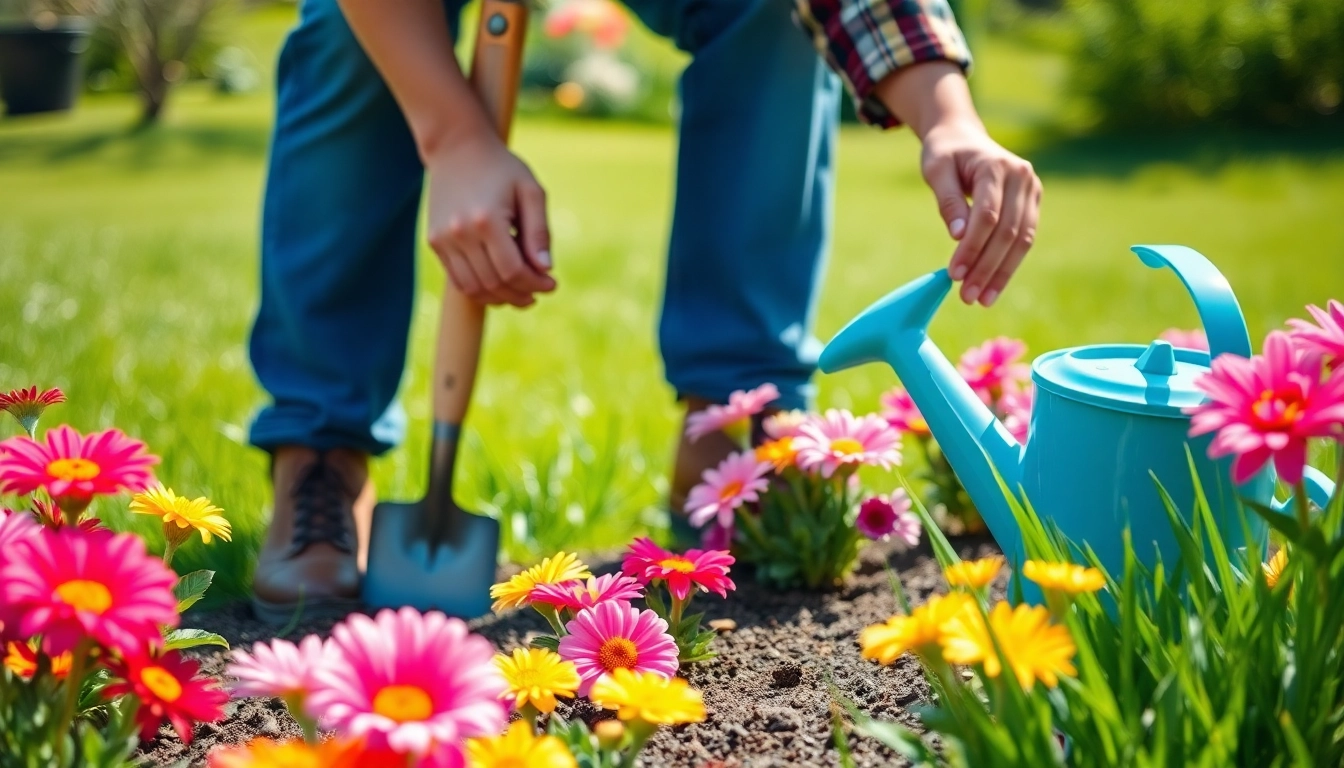

Understanding the Basics of Gardening
Introduction to Gardening Fundamentals
Gardening is more than just a hobby; it is a fulfilling experience that connects you with nature and allows you to create your own green oasis. Whether you’re looking to grow vegetables, flowers, or ornamental plants, understanding the fundamental aspects of Gardening is crucial for success. This introductory section provides a thorough overview of what gardening entails, the benefits it offers, and basic concepts to get started.
Essential Tools for Gardening Success
To embark on your gardening journey, you’ll need essential tools that make tasks easier and more efficient. Here’s a comprehensive list:
- Hand Trowel: Ideal for digging small holes and transplanting seedlings.
- Pruning Shears: Essential for cutting stems and maintaining healthy plants.
- Garden Rake: For leveling soil and removing debris.
- Watering Can or Hose: For providing the essential hydration plants need.
- Gloves: Protect your hands from thorns, dirt, and other hazards.
- Spade: Great for larger digging tasks, especially for new garden beds.
Investing in the right tools from the beginning can save you time and effort, and help you maintain a beautiful garden.
Types of Gardening: Which is Right for You?
Gardening can take many forms, each with its unique benefits and challenges. Here are some popular types of gardening:
- Vegetable Gardening: Grows edible plants, ensuring fresh produce right from your backyard.
- Flower Gardening: Focuses on growing flowering plants for aesthetic purposes.
- Herb Gardening: Allows you to cultivate herbs for culinary and medicinal use.
- Container Gardening: Ideal for limited spaces; you can grow plants in pots or boxes.
- Vertical Gardening: Maximizes limited space by growing plants upwards on frames or trellises.
Evaluating your space, resources, and interests will help you determine which gardening style to pursue.
Planning Your Garden Layout
How to Choose the Perfect Location for Gardening
Choosing the right location for your garden is critical for optimal growth. Factors to consider include:
- Sunlight: Ensure the area gets ample sunlight, as most plants require at least 6 to 8 hours of direct sunlight daily.
- Soil Quality: Check for well-draining soil rich in nutrients. Conduct a soil test to analyze pH and nutrient levels.
- Access to Water: Proximity to a water source simplifies the watering process.
- Protection from Elements: Consider whether the site is sheltered from strong winds and heavy rain.
Choosing the ideal garden location sets the stage for a thriving garden.
Designing a Garden That Reflects Your Style
Your garden can be as unique as your personality. Here are some design principles:
- Color Scheme: Select plants that complement each other through thoughtful color combinations.
- Layout: Plan the arrangement of beds, pathways, and seating areas to create an inviting environment.
- Seasonal Interest: Choose a mix of plants that bloom at different times of the year to maintain visual appeal all year round.
Incorporating Seasonal Changes into Gardening Plans
Understanding your climate zone and seasonal changes is vital for planning a successful garden. Implement the following strategies:
- Choose Seasonal Plants: Select plants that thrive in specific seasons for dynamic changes.
- Rotate Crops: Implement crop rotation techniques to maintain soil health and prevent disease.
- Implement Seasonal Maintenance: Adapt your gardening tasks based on the seasonal calendar, such as pruning in late winter or fertilizing in early spring.
Soil Preparation and Plant Selection
Understanding Soil Types and Their Importance in Gardening
Your garden’s success hinges significantly on soil quality. Here’s a breakdown of common soil types:
- Sandy Soil: Drains well but may lack essential nutrients. It benefits from organic matter to improve fertility.
- Clay Soil: Compacts easily but retains moisture; great for plants that need ample water.
- Silt Soil: Has a smooth texture and good fertility, making it an excellent choice for many plants.
- Loamy Soil: Often considered the best type for gardening, it combines clay, sand, and silt.
Testing soil and amending it as needed can significantly impact plant health.
How to Choose the Best Plants for Your Garden
Selecting the right plants is essential for your garden’s success. Keep these factors in mind:
- Climate Compatibility: Opt for plants that thrive in your local climate zone.
- Soil Needs: Choose plants that match your soil type and pH levels.
- Growth Habit: Consider whether you prefer annuals (seasonal) or perennials (return every year).
- Personal Preference: Select plants based on your aesthetic taste and functional needs, such as culinary uses.
Companion Planting Techniques to Enhance Growth
Companion planting involves cultivating different plants together for mutual benefit. Some strategies include:
- Growth Support: Plant taller plants to shade smaller ones that thrive in lower light.
- Pest Control: Some plants deter pests naturally, like marigolds, which repel aphids.
- Nutrient Sharing: Pair plants that have complementary nutrient needs to enhance soil fertility.
Maintenance and Care for a Thriving Garden
Watering Techniques for Optimal Growth in Gardening
Proper watering techniques are essential for plant health. Consider the following methods:
- Deep Watering: It promotes deeper root systems. Water less frequently but thoroughly.
- Drip Irrigation: This system conserves water and directs it to plant roots.
- Time of Day: Water early in the morning or late in the evening to reduce evaporation.
Pest Control Strategies Without Chemicals
Maintaining a garden free from harmful pests without resorting to chemicals can be achieved through these methods:
- Natural Predators: Introduce beneficial insects like ladybugs to combat pests.
- Neem Oil: This organic pesticide is good for eliminating common garden pests.
- Physical Barriers: Use row covers or nets to keep pests away from plants.
Seasonal Care: Preparing Your Garden for Changes
Every gardener should ideally have a seasonal care plan. Here’s how to prepare:
- Spring Preparation: Clean and prep garden beds, start sowing seeds for warm-weather plants.
- Summer Care: Maintain consistent watering and monitor for pests and diseases.
- Fall Maintenance: Harvest crops, prepare beds for winter, and consider planting fall cover crops.
- Winter Protection: Mulch and cover plants that need extra protection from cold.
Advanced Gardening Techniques and Innovations
Vertical Gardening: Maximizing Space and Yield
Vertical gardening allows you to maximize space by growing plants upward rather than outward. This involves:
- Trellising: Using trellises or frames for climbing plants like peas, beans, or cucumbers.
- Wall Planters: Installing planters on wall-mounted systems to utilize vertical space effectively.
- Stacking Systems: Using stacking planters can enhance yields in even the smallest areas.
Organic Gardening Practices for Sustainable Yields
Organic gardening promotes sustainability and environmental responsibility. Key practices include:
- Composting: Creating your own compost enriches soil and reduces waste.
- Crop Rotation: Rotate plant families annually to maintain soil health and fertility.
- Natural Fertilizers: Utilize organic fertilizers such as bone meal, blood meal, and fish emulsion.
Technology in Gardening: Tools for the Modern Gardener
Gardening technology is evolving and helping gardeners achieve better results. Consider incorporating:
- Smart Irrigation Systems: Automated systems that adjust watering schedules based on weather conditions.
- Garden Apps: Use applications for garden planning, pest identification, and maintenance schedules.
- Sensors: Soil moisture sensors provide real-time data on moisture levels to prevent overwatering.
Gardening is a rewarding and enriching experience that offers numerous benefits, including physical activity, fresh produce, and a way to connect with nature. By understanding the basics, planning your garden layout, preparing your soil, and knowing how to maintain it, anyone can thrive as a gardener. Whether you’re a beginner or an experienced horticulturist, embracing innovative techniques and technologies can enhance your gardening journey.