
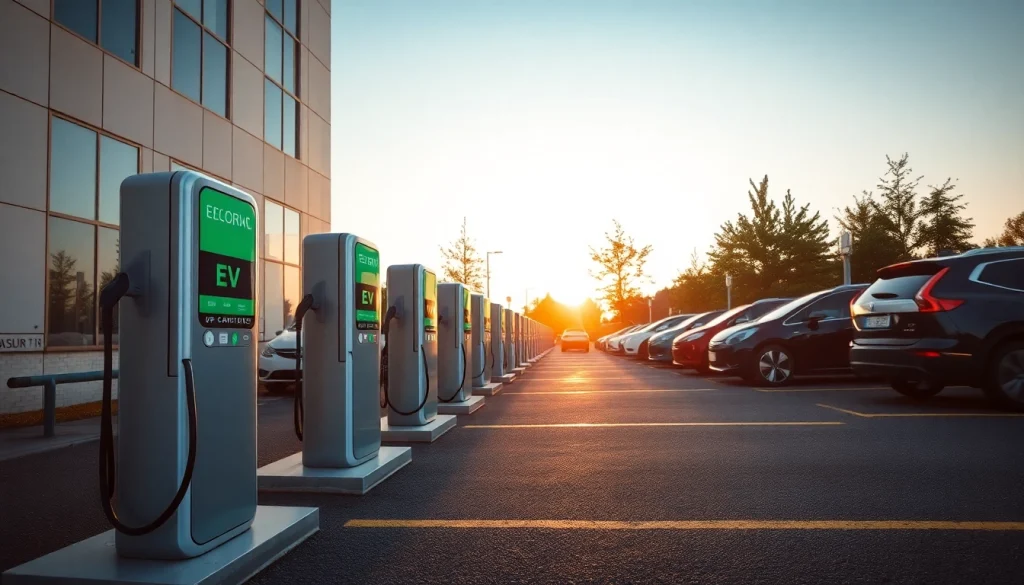
Current Trends in EV Charging News
Adoption Rates of Charging Technologies
The electric vehicle (EV) market is witnessing substantial growth, spurred by advancements in charging technologies. A report suggests that the adoption rates for EVs are consistently rising, with many consumers now more open to making the shift from traditional gasoline-powered vehicles. The increased availability of charging stations, along with emerging technologies, is playing a crucial role in this transition. Several surveys indicate that as awareness of EV benefits grows, so too does the willingness of consumers to invest in electric vehicles. In particular, data shows that regions with robust charging infrastructure see higher adoption rates, as potential buyers perceive lower risks associated with range anxiety.
Infrastructure Developments Across Regions
One of the most significant elements driving the growth of EV adoption is the expansion of charging infrastructure. Cities and states across the nation are ramping up investments in public charging stations to support the burgeoning number of electric vehicles. This includes not only traditional charging points but also fast-charging and ultra-fast charging options that significantly reduce charging time. In recent years, collaborations between government agencies and private entities have yielded considerable results, with thousands of new charges installed in urban areas and along major highways. Statistics show that regions with dense networks of charging stations see a more substantial increase in EV sales, underlining the critical connection between infrastructure and consumer choice.
Consumer Insights and Market Analysis
The landscape of consumer attitudes towards EVs and charging solutions is evolving rapidly. Recent research provides insight into the key factors motivating consumers to consider electric vehicles. Environmental awareness is at the forefront, with many prospective buyers indicating a desire to contribute to sustainability efforts. Furthermore, economic factors—such as lower operating costs and potential tax incentives—are making EVs a more attractive choice. Market analysts highlight that understanding consumer psychology is vital for manufacturers and service providers looking to capitalize on this trend. Targeted marketing campaigns that resonate with environmentally conscious consumers or address common concerns regarding charging accessibility are proving effective in drawing interest toward EVs.
Challenges Facing EV Charging
Range Anxiety and User Preferences
Despite the promising growth of the EV market, one of the most persistent challenges remains range anxiety. Many potential buyers express concerns about the availability of charging stations and the amount of time required to recharge. This hinges on the perception that electric vehicles are less versatile or convenient compared to their gasoline counterparts. Studies reveal that as drivers become more educated about the actual range and the growing network of available charging stations, their concerns tend to diminish. Educational initiatives can provide essential information about the actual range of popular EV models and the convenience of home charging solutions, proactively addressing users’ anxieties.
Infrastructure Investment and Lightning Issues
Investments in charging infrastructure are crucial for addressing the challenges that arise with increased EV adoption. However, funding for these projects can be constrained by budget limitations and competing priorities within local governments and private sectors. Furthermore, geographical disparities in infrastructure investments can exacerbate inequities in EV accessibility. A concentrated effort must be made to allocate proper resources to build charging networks in underserved areas. This weighs heavily on stakeholders, as a robust and equitable charging system could ensure that all consumers have equal access to the benefits of electric vehicles without hindrance.
Technological Barriers and Solutions
Technological barriers also play a significant role in curbing the potential growth of EV charging infrastructure. Compatibility across different EV models and charging equipment can lead to consumer confusion and frustration. Implementing standardized charging solutions is critical to simplifying the user experience. Furthermore, deploying smart charging systems that can optimize energy use based on demand, time-of-day pricing, and renewable energy availability could enhance both convenience and sustainability. By embracing technology solutions that enhance the overall EV charging experience, the industry can effectively alleviate user concerns and promote a smoother transition to electric mobility.
Innovations in Charging Technology
Fast Charging Solutions Overview
Recent advancements in fast charging technologies are revolutionizing the way consumers interact with electric vehicles. The introduction of ultra-fast chargers, which can charge vehicles in under 30 minutes, addresses many concerns regarding charging time. Studies suggest that these fast charging solutions are critical in helping to reduce range anxiety while encouraging spontaneous long-distance travel with EVs. Additionally, public charging networks are investing significantly in expanding these fast charging stations, ensuring that drivers can quickly recharge while on the go, thus facilitating greater EV adoption.
Wireless Charging Technologies
Innovations extend beyond fast charging with the introduction of wireless charging technology. This cutting-edge approach eliminates the need for traditional plugs and offers a more seamless experience for EV owners. Wireless charging pads can be installed in parking lots and homes, enabling charging simply by parking over them. Although still in its nascent stages, the prospect of wireless charging could further alleviate concerns about resource accessibility, significantly transforming the user landscape for electric vehicles in the near future.
Smart Charging Features and Benefits
Smart charging is at the forefront of innovations within the EV charging sector. These systems enable drivers to track and manage the charging process through mobile applications, providing users with real-time information about charging station locations, availability, and energy costs. Smart charging solutions incorporate renewable energy sources, allowing EV owners to charge their vehicles during off-peak hours or utilize solar energy. The combination of convenience, efficiency, and sustainability positions smart charging as a vital innovation in driving forward EV technology.
Government Regulations Impacting EV Charging News
Subsidies and Incentives for EV Infrastructure
Government regulations play a significant role in shaping the EV and charging infrastructure landscape. Many states have introduced various subsidies and incentives to encourage the installation of charging stations. These initiatives can decrease the financial burdens on both consumers and businesses, making EV ownership more economically attractive. Programs designed to facilitate grants for public charging infrastructure support improved accessibility and potentially hasten the transition to electric mobility. Comprehensive analyses demonstrate that effectively designed policy frameworks can lead to significant increases in EV penetration within a short period.
New Policy Developments and Their Implications
New policy developments affecting EV charging can have far-reaching implications. Proposals aimed at creating low-emission zones or strengthening EV adoption targets could catalyze further investment in charging infrastructure and bolster consumer confidence. Governments investigating regulatory measures to enhance the interoperability of charging systems are also key—ensuring that a cohesive and robust charging network is readily available can fortify the transition to electric vehicles. Monitoring these policy shifts provides valuable insight into the future landscape of EV charging and its evolution.
Future Regulatory Challenges and Adaptations
As the EV market continues to grow, regulatory challenges will likely surface. There is a pressing need for ongoing adaptation to ensure that policies keep pace with technological advancements and consumer needs. Ensuring an equitable distribution of charging infrastructure, meeting the demands for rapid advancements in charging technology, and addressing potential user data privacy concerns are crucial factors that regulatory bodies must consider. These challenges will require collaborative approaches between industry, policymakers, and consumers to foster an environment conducive to sustainable electric mobility.
Future Outlook of EV Charging News
Predictions for Market Growth and Technology Adoption
Looking toward the future, the EV market is poised for substantial growth, driven by consumer demand and technological advancements. As charging infrastructure becomes more widespread and accessible, the market is expected to expand rapidly. Forecasts suggest that by the end of the decade, a significant portion of new car sales will consist of electric vehicles. As awareness continues to grow about the environmental impacts of traditional fuel sources, manufacturers are ramping up production and investment in new electric models, leading to a diverse range of options for consumers.
Upcoming Innovations and Trends to Watch
Innovations in the EV charging sector will continue to shape the market moving forward. Emerging trends such as vehicle-to-grid technology, which allows EVs to serve as energy storage solutions, presents exciting possibilities for integrated energy management. Additionally, advancements in battery technology will contribute to longer ranges and faster charging times for electric vehicles. Staying informed about these innovations will be critical for all stakeholders within the electric mobility sector as they navigate the evolving landscape.
Long-Term Sustainability Goals in EV Charging
The focus on sustainability will remain paramount in the future evolution of EV charging. Long-term sustainability goals may include establishing networks that rely solely on renewable energy sources and creating a circular economy for vehicle batteries. Organizations and governments alike are challenged to develop frameworks that promote environmental sustainability throughout the lifecycle of electric vehicles and their associated infrastructures. Engaging in proactive measures now will ensure that the future of EV charging aligns with broader sustainability objectives, ensuring a cleaner, greener future for urban transport.