Understanding Scottsdale AC Systems
When the temperatures soar in Scottsdale, a well-functioning air conditioning system is essential to maintain comfort in your home or office. Whether you’re new to the area or a long-time resident, understanding the various types of HVAC systems, their components, and the importance of regular maintenance can significantly enhance their efficiency and longevity. In this comprehensive guide, we will delve deep into everything you need to know about your scottsdale ac system, ensuring you are well-prepared for the heat.
Types of AC Units Available
In Scottsdale, Arizona, the climate necessitates that residents choose the right type of air conditioning unit for optimal comfort and efficiency. Here are the primary types of AC systems you may encounter:
- Central Air Conditioning: This is a popular choice for many Scottsdale homes because it can efficiently cool an entire house. Central AC units connect to existing ductwork, ensuring uniform cooling throughout the home.
- Mini-Split Systems: Ideal for homes without ductwork, mini-splits consist of an outdoor compressor and one or more indoor air-handling units. They allow for zoned cooling, meaning you can control temperatures in different areas of your home independently.
- Window Units: In terms of affordability and ease of installation, window air conditioners are a common option. They are suitable for single rooms and provide instant cooling without the need for extensive installation.
- Portable AC Units: These units are a flexible cooling solution, allowing you to move them from room to room as needed. They are typically less efficient than other types but can serve as a temporary cooling solution.
Key Components of Your AC System
Understanding the core components of your Scottsdale AC system can help you troubleshoot issues and appreciate how your unit operates. The main components include:
- Thermostat: This device regulates the temperature in your home by controlling the AC unit’s operation. Modern smart thermostats offer programmable features and remote control capabilities.
- Compressor: Often considered the heart of your AC system, this component compresses refrigerant and circulates it through the system.
- Evaporator Coil: Located indoors, this coil absorbs heat from the air in your home, cooling it before it enters the living space.
- Condenser Coil: Located outdoors, the condenser coil releases the heat absorbed by the refrigerant, allowing it to cycle back for reuse.
- Air Handler: This component moves air through the system and is crucial for distributing cool air throughout your home.
Why Regular Maintenance Matters
Routine maintenance of your Scottsdale AC system is not merely a recommendation; it is essential for preserving functionality and preventing costly repairs. Here are several benefits of keeping up with regular maintenance:
- Improved Efficiency: A well-maintained system operates more efficiently, helping to lower energy bills and reduce environmental impact.
- Extended Lifespan: Regular inspections and servicing can prolong the life of your AC unit, saving you from premature replacement costs.
- Enhanced Air Quality: Maintenance includes cleaning or replacing filters, which is vital for maintaining good indoor air quality and reducing allergens.
- Early Problem Detection: Regular check-ups can help identify potential issues before they escalate into significant repairs, keeping your AC running smoothly.
Common AC Issues in Scottsdale
Despite proper maintenance, your AC system may still encounter problems, especially under the extreme conditions often seen in Scottsdale. Here are some common issues you might face:
Identifying HVAC Problems Early
Recognizing the signs of HVAC problems early can save you a lot of hassle. Here are some issues that may indicate your AC unit is malfunctioning:
- Uneven Cooling: If some rooms are significantly warmer or colder than others, your system may be struggling to provide even temperature control.
- Unusual Noises: Strange noises such as banging, clattering, or hissing can indicate that something is wrong within the system.
- Bad Odors: Foul smells coming from your AC could suggest mold growth, burnt wiring, or other serious issues that require immediate attention.
Signs Your AC Needs Immediate Attention
Some problems can pose immediate risks or lead to severe damage, requiring urgent repairs. Keep an eye out for:
- Smells of Smoke or Burning: This is a clear indication that something is wrong and could potentially lead to a fire hazard.
- Leaks: Puddles or moisture around the unit can indicate a refrigerant leak or a drainage issue, both of which need professional attention.
- System Not Turning On: If your AC fails to start, it could be due to electrical problems or a malfunctioning thermostat.
Understanding Repair vs. Replacement
When faced with AC issues, homeowners often wonder whether it is better to repair or replace their units. Here are some guidelines to help make this decision:
- Age of the Unit: If your AC is over 10-15 years old, replacement may be more beneficial than continuing to invest in repairs.
- Repair Costs: As a general rule, if repairs exceed 50% of the cost of a new unit, replacement might be a more economical choice.
- Efficiency Ratings: Older units tend to be less energy-efficient. Investing in newer technology can lead to savings on energy bills over time.
Optimal AC Usage in Hot Climates
Using your AC effectively in a hot climate like Scottsdale can help maximize efficiency and comfort while minimizing costs. Here are key practices to adopt:
Setting Your Thermostat for Efficiency
Finding the right thermostat settings can greatly influence your home’s comfort level and your energy bill. Consider these tips:
- Ideal Temperature: The U.S. Department of Energy recommends setting your thermostat at 78°F during the day when people are home and adjusting it higher when the house is empty.
- Use Programmable Thermostats: This technology enables you to adjust temperatures according to your schedule, ensuring you don’t cool an empty house.
- Fan Mode: Consider using just the fan function to circulate air without additional cooling when the temperatures aren’t excessively high.
Best Practices for Energy Consumption
To keep your energy consumption low during hot spells, follow these best practices:
- Seal Windows and Doors: Ensure that your home is air-tight to prevent cool air from escaping and hot air from entering.
- Use Shades or Curtains: Blocking direct sunlight can significantly reduce indoor temperatures, decreasing the workload on your AC.
- Regular Filter Changes: Keeping your filters clean ensures proper airflow, allowing your system to work more effectively and efficiently.
Seasonal HVAC Adjustments
As the seasons change, make sure to adjust your system accordingly:
- Spring Prep: Before the heat really kicks in, have your AC serviced and ensure it’s ready for the heavy usage ahead.
- Summer Adjustments: Use outdoor fans to create a wind-chill effect, making it feel cooler without having to drop the thermostat temperature.
- Fall Maintenance: As cooling needs decline, ensure your system is cleaned and ready for winter; this is also a good time to check the heating system.
Choosing the Right HVAC Technician
Finding a skilled HVAC technician is crucial for the installation and repair of your Scottsdale AC system. Here are some tips to help you choose the right professional:
What to Look for in a Contractor
When selecting an HVAC technician, consider the following attributes:
- Licensing and Insurance: Ensure that the contractor has the necessary licenses and insurance to operate legally and protect you from liability.
- Experience and Reputation: Look for technicians with substantial experience and positive customer reviews or referrals.
- Written Estimates: A reputable contractor should provide you with written estimates for work to be completed, which helps you avoid unexpected costs.
Questions to Ask Before Hiring
Before bringing someone on board, ask these essential questions:
- What is your experience with AC systems similar to mine?
- Can you provide references from previous clients?
- What warranties do you offer on the work performed?
Understanding HVAC Certifications
Certifications can provide assurance of a contractor’s expertise. Look for these common certifications:
- EPA Certification: Required for anyone who handles refrigerants, ensuring they are trained in environmentally safe practices.
- NATE Certification: North American Technician Excellence certification demonstrates that a technician is knowledgeable in the latest HVAC technologies.
- State-Level Certifications: Each state may have specific requirements, so verify that your contractor meets these regulations.
Long-Term Care for Your Scottsdale AC
Proper long-term care of your AC system ensures it operates efficiently and effectively for years to come. By establishing a well-planned maintenance routine, you can enjoy peace of mind when it comes to climate control in your home.
Establishing a Maintenance Schedule
A regular maintenance schedule is key to keeping your HVAC system in top shape. Consider these steps:
- Annual Inspections: Schedule at least one comprehensive inspection per year, ideally before peak usage seasons.
- Regular Filter Changes: Change or clean filters every 30-60 days during heavy usage to ensure optimal air quality and efficiency.
- Monitor System Performance: Keep an eye out for any unusual noises, fluctuations in temperature, or other warning signs, and address them promptly.
DIY Tips for Homeowners
There are several maintenance tasks homeowners can handle on their own:
- Filter Replacement: Regularly check and replace your air filters, as clogged filters drastically decrease efficiency.
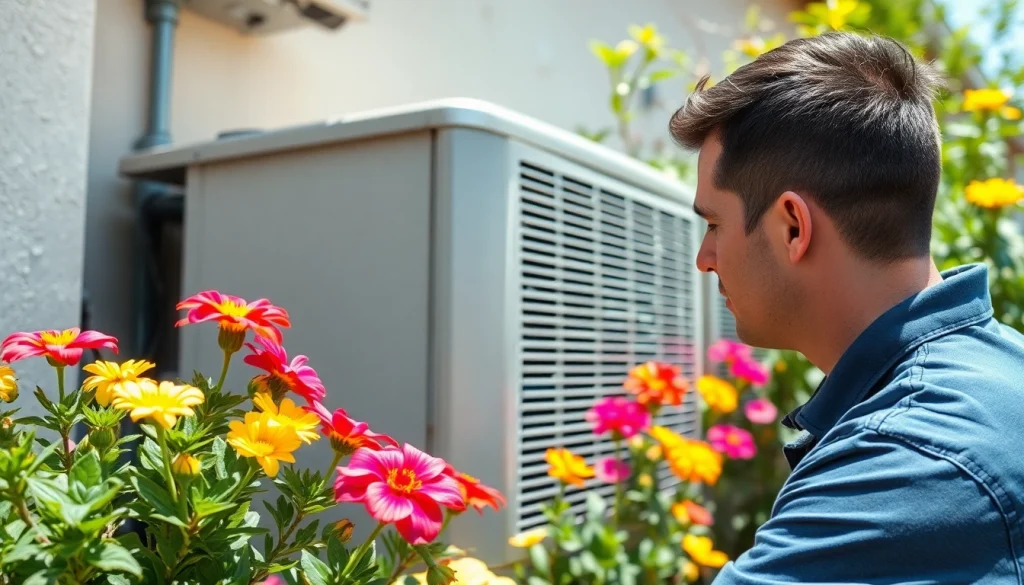
- Cleaning the Condenser Coils: Ensure that leaves, dirt, and debris are cleared from the outdoor unit to maintain airflow.
- Insulating Ducts: Inspect ductwork and make sure it is properly insulated to prevent energy loss.
Energy-Saving Upgrades to Consider
Finally, upgrading your system when necessary can lead to significant energy savings. Here are a few options to consider:
- Smart Thermostats: Investing in a smart thermostat can optimize your AC usage based on your lifestyle, saving you money on energy bills.
- Upgrading to Energy-Efficient Models: Newer, energy-efficient models can limit energy consumption and often qualify for rebates or tax credits.
- Seal Ducts: Ensuring that ductwork is sealed and well-insulated can maximize efficiency and comfort.
In conclusion, understanding your Scottsdale AC system is critical to maintaining a comfortable living environment while ensuring efficiency and cost-effectiveness. By implementing the strategies highlighted in this guide, you can enhance the performance of your AC system and enjoy cool, refreshing air even during the hottest days. With the right knowledge and proactive measures, your HVAC system will serve you well for years to come.