
Lightweight vs. Heavy Fly Fishing Bags: Which is Right?
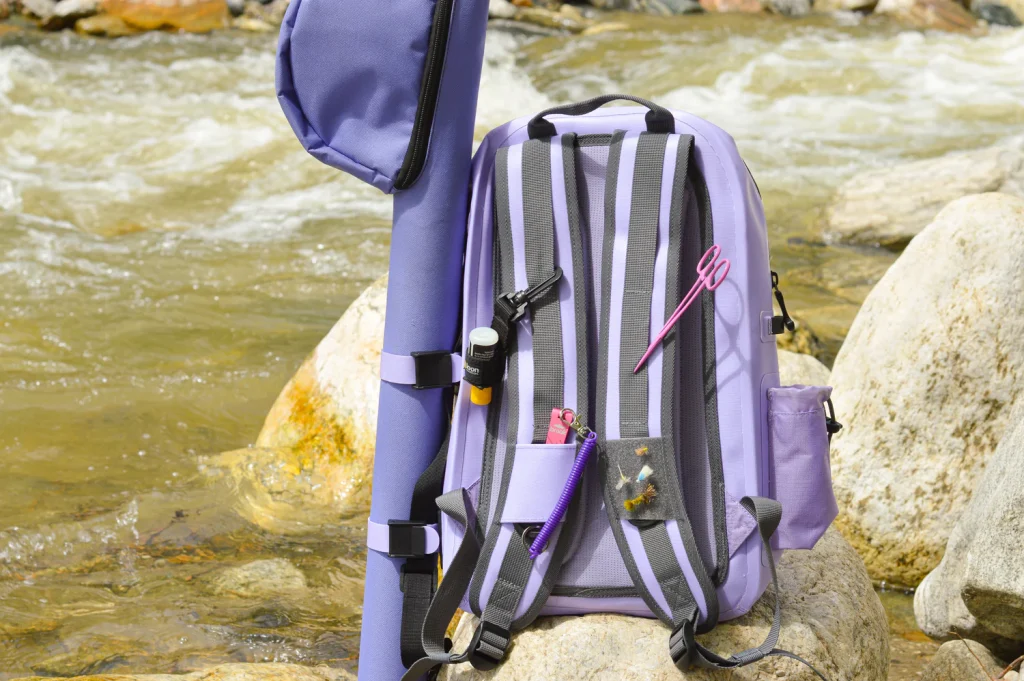
When it comes to fly fishing, having the right gear can make or break your experience on the water. One essential piece of equipment that anglers often overlook is the fly fishing bag. Choosing between a lightweight and heavy fly fishing bag is a decision that affects comfort, convenience, and functionality. In this article, we will explore the differences, advantages, and considerations of each type so you can make the best choice for your fishing adventures.
Understanding Fly Fishing Bags
A fly fishing bag is more than just a carrier for your gear; it’s a critical component of your fishing setup. From holding your flies, tippets, and reels to storing waders and snacks, a well-designed bag ensures you stay organized and prepared. Fly fishing bags come in various sizes, materials, and configurations, which can make deciding between a lightweight or heavy bag a bit tricky.
Advantages of Lightweight Fly Fishing Bags
Lightweight fly fishing bags are popular among anglers who prioritize mobility and comfort. One of the main advantages is reduced strain on your shoulders and back, especially during long hikes to remote fishing spots. Lightweight bags are often made from durable nylon or water-resistant fabrics, allowing for easier carrying without sacrificing protection for your gear.
Another benefit is flexibility. Lightweight fly fishing bags typically have multiple compartments for small accessories, making it easier to access your tools quickly. For anglers who prefer wading through rivers or walking long distances, a lightweight fly fishing bag ensures you remain agile without being weighed down.
Advantages of Heavy Fly Fishing Bags
On the other hand, heavy fly fishing bags are designed to accommodate larger loads and more extensive gear collections. If you frequently fish in locations that require carrying multiple rods, large tackle boxes, or extra clothing, a heavy fly fishing bag can handle the weight without compromising durability.
Heavy bags are often constructed with reinforced stitching, heavy-duty zippers, and padded compartments. This makes them ideal for anglers who prioritize gear protection over mobility. With a heavy fly fishing bag, you can confidently carry expensive equipment without worrying about damage or wear and tear.
Key Factors to Consider
When deciding between a lightweight and heavy fly fishing bag, several factors should guide your choice.
1. Duration of Fishing Trips
If your fishing trips are short and local, a lightweight fly fishing bag is sufficient. For multi-day excursions or trips requiring more gear, a heavy bag may be more practical.
2. Type of Fishing Environment
Wading through streams or hiking rugged terrain favors a lightweight bag for comfort. Conversely, car camping or fishing near accessible spots allows you to carry a heavier bag without strain.
3. Gear Requirements
Consider the amount and type of gear you typically carry. A minimalistic angler who uses only essential flies and tools may prefer a lightweight bag, while someone who likes to bring multiple rods, reels, and a variety of accessories might need a heavy fly fishing bag.
4. Organization and Accessibility
Lightweight bags often offer quick-access compartments and modular designs, perfect for anglers who need fast retrieval of gear. Heavy fly fishing bags usually have more storage space but can be bulkier and less convenient to manage during active fishing.
Material and Durability
Material choice plays a significant role in the effectiveness of both lightweight and heavy fly fishing bags. Nylon and polyester fabrics dominate the lightweight category due to their low weight and water resistance. Heavy bags often feature canvas, leather, or reinforced synthetic materials for enhanced durability. No matter your choice, ensuring your fly fishing bag can withstand exposure to water, sunlight, and rough terrain is critical.
Comfort and Ergonomics
The comfort factor is often underestimated in fly fishing. Lightweight fly fishing bags generally have padded shoulder straps and breathable mesh for ventilation, reducing fatigue during long hikes. Heavy bags, despite their sturdier build, may include extra padding, waist straps, or harness systems to distribute weight effectively. Prioritizing comfort can make a significant difference in your overall fishing experience.
Conclusion
Choosing the right fly fishing bag ultimately depends on your fishing style, the duration of your trips, and the gear you carry. Lightweight fly fishing bags excel in portability, comfort, and quick access, making them ideal for active anglers covering long distances. Heavy fly fishing bags offer unparalleled durability, capacity, and protection for anglers with extensive gear or those fishing in less mobile conditions. By carefully evaluating your needs and priorities, you can select a fly fishing bag that enhances your angling adventures, keeps your equipment safe, and ensures you enjoy every moment on the water without compromise.