
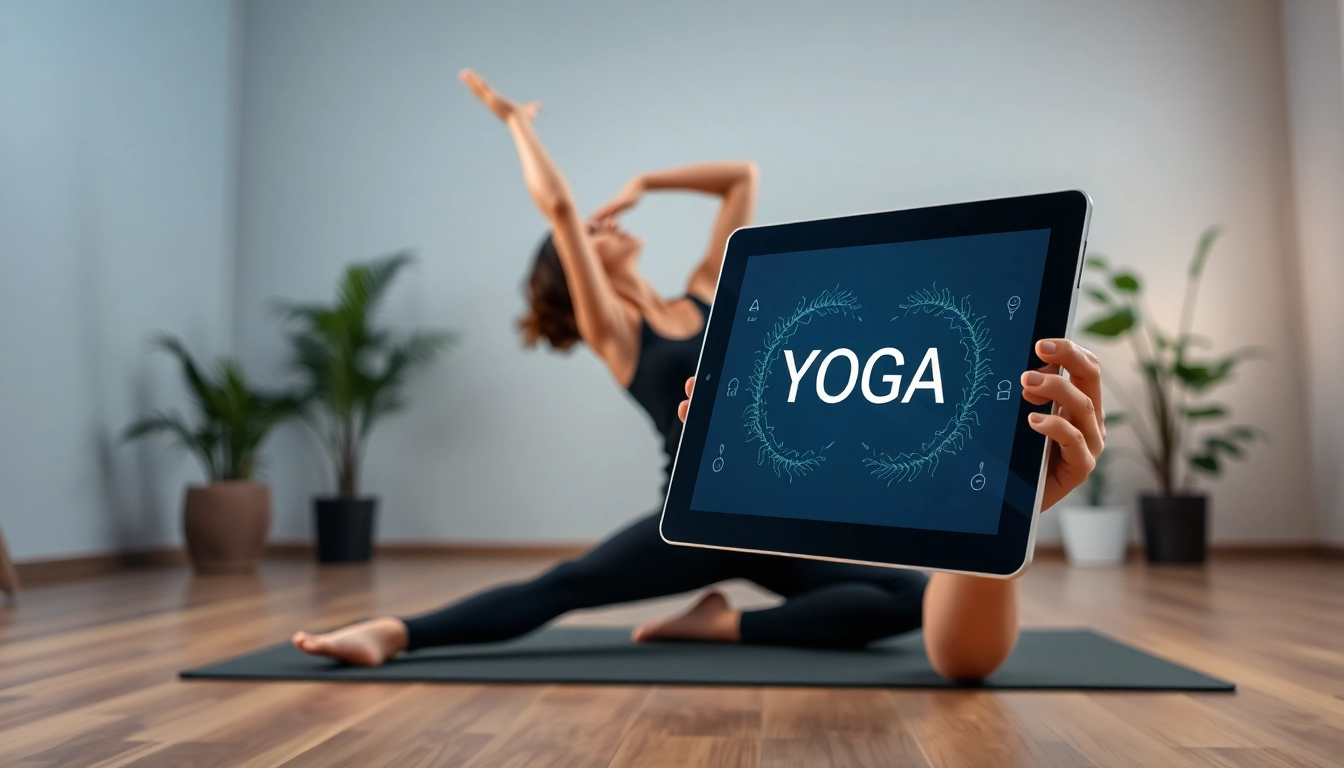

Understanding Yoga AI and Its Role in Modern Practice
As the world of fitness and wellness evolves, the integration of technology into traditional practices has become increasingly prevalent. Yoga, a discipline rooted in ancient traditions, is no exception. The emergence of Yoga AI marks a significant turning point, promising to enhance and elevate the yoga experience through personalized guidance and support. This article will delve into the multifaceted ways Yoga AI is reshaping the practice and what it means for both practitioners and instructors.
What is Yoga AI?
Yoga AI encompasses the use of artificial intelligence technologies to assist practitioners in their yoga practice. This can range from mobile applications that guide users through poses to wearable technology that tracks performance metrics. At its core, Yoga AI seeks to create a more personalized and effective yoga experience by analyzing individual traits and providing tailored feedback. By utilizing data analytics, machine learning, and real-time feedback, Yoga AI offers a modern twist to the age-old practice of yoga, making it more accessible and responsive to individual needs.
The Benefits of Integrating Yoga AI into Training
Integrating Yoga AI into practice can yield numerous benefits:
- Personalized Guidance: Yoga AI applications can create customized routines based on a practitioner’s skill level, physical conditions, and specific goals. This ensures that each session is optimized for the individual.
- Real-Time Feedback: Many advanced Yoga AI systems utilize camera technology and sensors to provide immediate feedback on postures and alignment, helping to prevent injuries and enhance the effectiveness of each pose.
- Accessibility: Yoga AI can make practice more accessible by providing options for those who may find it challenging to attend in-person classes due to location, scheduling, or financial constraints.
- Progress Tracking: Users can track their progress over time, gaining insights into their physical abilities and improvements, which can be motivational.
- Flexibility in Practice: Individuals can practice at their own pace and convenience, allowing for a more relaxed and enjoyable experience.
How Yoga AI Personalizes Experiences for Practitioners
The process of personalizing yoga experiences through AI involves several key components:
- Data Collection: Yoga AI systems gather data from users, including their fitness levels, known limitations, and previous yoga experiences. This data forms the baseline for creating customized experiences.
- Adaptive Algorithms: Utilizing machine learning algorithms, Yoga AI can adapt over time, learning from a user’s performance and preferences to suggest poses and sequences that align with their evolving needs.
- User Interaction: Engaging user interfaces allow practitioners to interact with the AI, providing feedback that helps refine their practice further.
Exploring Technology Tools that Enhance Yoga
Wearable Devices for Tracking Progress
Wearable technology has become a cornerstone in fitness monitoring, and its application in yoga is no different. Devices like smartwatches and fitness trackers can monitor heart rate, calories burned, and even stress levels during practice. These metrics provide valuable insights into how different poses affect the body, enabling practitioners to adjust their routines based on real-time data.
AI-Driven Applications for Home Practice
There are numerous applications designed specifically for yoga practitioners. These apps typically offer guided sessions, pose libraries, and customizable routines. With the integration of AI, many of these applications can analyze a user’s movements through their device’s camera, ensuring that poses are performed correctly and providing feedback to enhance effectiveness and safety.
Interactive Platforms for Live Guidance
New interactive platforms allow practitioners to receive real-time guidance during their yoga sessions. This can include live classes with AI-driven instruction or recorded sessions that offer feedback and suggestions based on user input. These platforms can create a more engaging experience, keeping users motivated and connected to a larger community of practitioners.
Analyzing User Experiences with Yoga AI
Case Studies of Successful Implementations
Numerous success stories demonstrate how Yoga AI has transformed practitioners’ experiences. For instance, a study found that users of AI-based yoga applications reported a significant improvement in their posture and flexibility over a three-month period. These users benefited from personalized routines and real-time feedback, resulting in a more effective practice.
User Feedback and Adaptations
Gathering user feedback is essential for the continued enhancement of Yoga AI platforms. Many practitioners express appreciation for tailored suggestions and corrections; however, some also point out the occasional inaccuracies in pose assessments. Continuous development based on user insights ensures that AI tools evolve to meet the exact needs of practitioners.
Challenges Faced When Using Yoga AI
While the integration of Yoga AI presents exciting opportunities, it is not without challenges. Common issues include:
- Over-Reliance on Technology: Some users may become too dependent on AI feedback, potentially neglecting the intuition and bodily awareness developed through traditional practice.
- Quality of Algorithms: The effectiveness of AI is largely determined by the algorithms that power it. If these algorithms are poorly designed or inadequately tested, they could lead practitioners astray.
- Data Privacy Concerns: With the rise of digital tools comes the responsibility of safeguarding user data. Practitioners must ensure their chosen Yoga AI technologies adhere to strict privacy policies.
Best Practices for Using Yoga AI Effectively
Setting Up Your Yoga Environment with AI
A conducive environment is crucial for maximizing the benefits of Yoga AI. Practitioners should ensure they have a quiet space with adequate lighting and minimal distractions. Setting up a camera for monitoring movements can enhance the experience, as can ensuring a stable internet connection for real-time feedback.
Incorporating AI into Your Routine
Integrating Yoga AI into a daily routine involves a few strategic steps:
- Start Slow: When beginning to use Yoga AI, it’s essential to start with shorter sessions to acclimate to the technology.
- Engage with the Tools: Practitioners should explore the various features of their Yoga AI platform, including personalized recommendations and tracking tools.
- Reflect on Progress: Regularly reviewing progress metrics can help practitioners understand their growth and motivate them to continue.
Adjusting Your Approach Based on Feedback
Feedback loops are vital in Yoga AI practice. Practitioners should be open to modifying their routines based on the real-time assessments and suggestions provided. This iterative process cultivates a deeper understanding of individual needs and goals, adapting as proficiency increases.
The Future of Yoga AI in Wellness
Trends Shaping the Development of Yoga AI
The intersection of AI and wellness is an area of significant growth. As technology continues to advance, Yoga AI will likely incorporate even more sophisticated analytics and machine learning capabilities. Future trends may include enhanced virtual reality experiences, more interactive platforms, and deeper integration with overall health and fitness ecosystems.
How Yoga AI Can Complement Traditional Practices
Yoga AI does not aim to replace traditional yoga practices but rather to enhance them. By providing tools that facilitate personalized instruction and feedback, practitioners can benefit from the richness of traditional methods while embracing modern technologies. This synergy creates a more comprehensive approach to wellness that acknowledges personal needs and preferences.
The Path Forward: Ethical Considerations and Accessibility
As Yoga AI continues to evolve, ethical considerations around its development and application must be prioritized. Ensuring accessibility for individuals from all walks of life is crucial, as is addressing data privacy effectively. Establishing guidelines that prioritize user safety, comfort, and informed consent will be vital in the responsible integration of Yoga AI into mainstream wellness practices.