
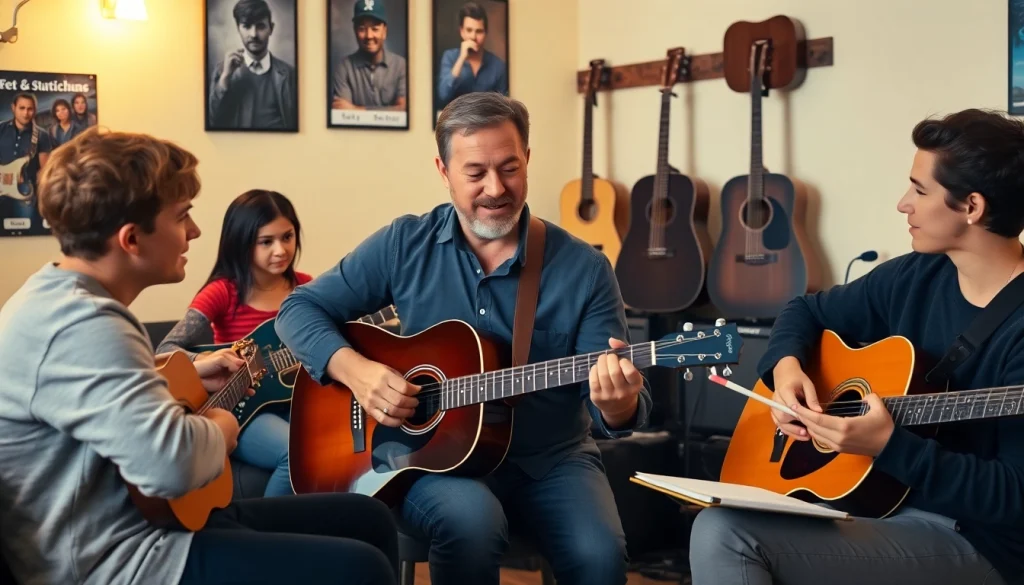
Introduction to Guitar Learning
Embarking on the journey of learning guitar can open up a world of musical possibilities. Whether you dream of strumming along to your favorite songs or composing your own masterpieces, understanding the core aspects of guitar playing is essential. One place to get comprehensive guidance is https://guitarlessons.co.uk, which offers a variety of resources tailored to help players of all skill levels. In this article, we will explore essential topics ranging from the type of guitar to choose, techniques for beginners, intermediate skills, and valuable online resources that can enrich your learning experience.
The Importance of Choosing the Right Guitar
Selecting the right guitar is crucial for your learning experience. The right instrument provides the foundation for developing your skills and achieving your musical goals. First, you need to decide whether you want an acoustic or electric guitar. Acoustic guitars are typically easier for beginners since they don’t require an amplifier and offer a rich, resonant sound. Electric guitars, however, can provide a wider array of sounds and effects but come with added complexities.
Additionally, consider the size and shape of the guitar. Guitars come in different sizes, and it’s important to choose one that fits comfortably in your hands and allows you to reach the frets and strings easily. A trial-and-error approach by visiting a music store can help you find a suitable option. The quality of materials used in the guitar, including the wood, strings, and craftsmanship, also significantly impacts sound quality and playing ease.
Lastly, budget is a vital factor. Guitars can range from affordable entry-level models to high-end instruments. It is wise to invest in a reputable brand within your financial capacity to ensure a better playing experience and durability.
Setting Your Goals for Learning
Before diving into guitar lessons, it is essential to set clear, attainable goals. Think about what you want to achieve with your guitar playing—do you aspire to play in a band, perform as a solo artist, or simply enjoy playing as a hobby? Establishing specific outcomes provides direction and helps you maintain motivation throughout your learning process.
Writing down your goals can serve as a powerful reminder of your aspirations. Consider setting short-term goals, such as learning a specific chord or song, alongside long-term goals that outline broader ambitions, like mastering fingerstyle techniques or composing original music. Regularly reassessing and adjusting these goals keeps your learning focused and aligned with your evolving interests.
Understanding Different Guitar Types
Familiarizing yourself with various guitar types can help you make an informed choice based on your preferences. Besides acoustic and electric guitars, here are a few other variations:
- Classical Guitar: Featuring nylon strings, classical guitars offer a softer sound, making them popular among beginners and those interested in classical music.
- Jazz Guitar: Typically hollow-bodied, jazz guitars produce a warm tone well-suited for jazz music. They may have a unique design with a rounded body and wider neck.
- Travel Guitar: Designed for portability, travel guitars are smaller and lighter, making them ideal for musicians on the go.
Understanding these types of guitars not only aids your initial selection but also influences your learning and playing styles as your journey progresses.
Beginner Techniques and Essentials
Basic Chords for New Players
Mastering basic chords is a fundamental step for any budding guitarist. Chords are the building blocks of most songs and understanding them enables you to play a wider repertoire. Start with essential open chords like E minor, G major, C major, D major, and A major. Practicing switching between these chords will help develop finger dexterity and strength.
It’s helpful to take a methodical approach when learning chords. Start by holding each chord shape while strumming slowly to ensure you are pressing the strings adequately. Gradually increase your speed as you become more comfortable with the transitions. Utilize chord charts and apps that provide visual guides while you practice, ensuring you are forming each chord correctly.
Strumming Patterns and Rhythm Basics
Once you are familiar with basic chords, it’s time to work on strumming patterns and maintaining rhythm. A solid understanding of rhythm is indispensable as it drives the music forward. Begin with simple downstrokes and gradually introduce upstrokes to create dynamic patterns.
As you practice strumming, pay attention to the timing between switching chords and strumming. Start slowly, focusing on maintaining a steady beat, and then increase the tempo as you improve. Listening to your favorite songs and mimicking their strumming patterns can also provide deeper insight into how different rhythms influence the music.
Learning to Tune Your Guitar
Learning how to tune your guitar is perhaps one of the most important skills you will acquire. A well-tuned guitar not only sounds better but also makes it easier to learn and play music. Familiarize yourself with standard tuning (E A D G B e) and invest in a quality tuner, whether it be a clip-on, pedal, or app-based tuner. Each method has its pros and cons, so choose one that complements your preferences and ease of use.
Additionally, you may also explore alternate tunings to expand your musical horizons. These tunings can create unique sounds and offer fresh perspectives on familiar songs, providing many new creative avenues for your guitar playing.
Intermediate Skills to Elevate Your Play
Advanced Chord Progressions
As you transition from beginner to intermediate, exploring advanced chord progressions can significantly enhance your playing. Understanding how to build progressions with seventh chords, suspended chords, and barre chords widens your musical lexicon. Incorporate these chords into your practice to develop a stronger sense of harmony and musicality.
Play around with different progressions and explore common sequences like I-IV-V or ii-V-I. Through experimentation and practice, you can discover how varying progressions create different emotions within your music.
Techniques for Fingerpicking
Fingerpicking can add depth and texture to your playing, creating a more intricate sound than strumming alone. Begin practicing fingerpicking by using your thumb to pluck the bass notes while your other fingers take care of the higher strings. A good exercise is to play arpeggios using a combination of your thumb, index, middle, and ring fingers.
Once you are comfortable with the basics, challenge yourself with more complex patterns and techniques like Travis picking or hybrid picking. Longevity in practice will enhance finger independence and foster a more fluid playing style. Various resources, including lesson videos and instructional books, can guide you as you progress.
Understanding Music Theory for Guitarists
Having a foundational knowledge of music theory can be incredibly beneficial for guitarists. It provides insight into how music is structured, helping you understand why certain chords and progressions work well together. Key concepts to explore include scales, intervals, and key signatures.
Learning the major and minor scales is crucial, as they serve as the basis for many songs and improvisational tools. Understanding chord construction, including major and minor triads, can also allow you to create your unique chord voicings and progressions, enhancing your overall musicianship.
Online Resources and Support Communities
Utilizing Video Lessons Effectively
The wealth of online resources can be overwhelming, but video lessons offer a structured method for learning. Reputable online platforms provide comprehensive tutorials that break down techniques, songs, and exercises. It’s crucial to select a learning style that suits you; if you are a visual learner, instructional videos can be particularly engaging.
While learning from video lessons, make sure to practice alongside the videos, pausing and replaying sections to fully grasp the concepts being taught. Additionally, using a metronome can help develop timing and rhythm as you play along with the lessons.
Joining Online Guitar Communities
Involving yourself in online guitar communities can enhance your learning experience dramatically. These platforms offer a space for discussions, resource sharing, and even practice partners. Whether it’s a dedicated forum, social media group, or an app for musicians, the benefits of engaging with peers can be immense.
Through participation in these communities, you can seek advice, share your progress, and receive feedback on your playing. Connecting with fellow guitarists can provide motivation and inspire you to reach your goals while fostering a sense of camaraderie within your learning journey.
Tracking Your Progress with Apps
Utilizing applications designed specifically for musicians can help you monitor your progress and stay organized. Many apps come equipped with features such as progress tracking, metronomes, and access to chord libraries. Additionally, some allow you to record your practices and performances, giving you the opportunity to assess your growth over time.
Consistency is vital in learning an instrument, and having an app that prompts you to practice regularly can be beneficial. Set reminders, create practice schedules, and track your accomplishments to maintain a steady learning trajectory.
Performance Preparation and Mastery
How to Prepare for Your First Performance
As you gain confidence in your playing skills, the prospect of performing can be both exciting and daunting. Preparing for your first performance involves much more than just knowing your songs; it requires mental and physical preparation as well. Start by selecting a handful of songs that you feel comfortable playing and that showcase your abilities.
Practice performing in front of friends or family to simulate the experience of an audience. This can reduce performance anxiety and help you get accustomed to playing while being watched. Additionally, develop a routine that includes stretching and mental visualization, allowing you to channel your nerves positively.
Building a Setlist that Captivates
Constructing a compelling setlist is crucial for a successful performance. Aim for a balance of tempo, mood, and familiarity with the audience. Begin with a strong opening number that grabs attention, followed by a mix of well-known songs and personal favorites. Including an emotional ballad can provide an engaging contrast, while a high-energy number can boost excitement toward the end of your set.
Additionally, consider including instrumental breaks or moments of improvisation to showcase your skills further. Trust your instincts; the setlist should reflect your style while considering the preferences of your audience.
Staying Motivated as You Advance
Maintaining motivation is essential as you navigate the challenges of advancing your guitar skills. Setting periodic goals can provide milestones to celebrate, while mixing up your practice routine can stave off monotony. Engage with diverse musical styles, explore new pieces, and experiment with songwriting to keep the passion alive.
Joining a local band or seeking performance opportunities can reignite your enthusiasm and broaden your experience. Remember to be patient with yourself; progress takes time, but the fruits of your dedication yield a rewarding musical journey.