
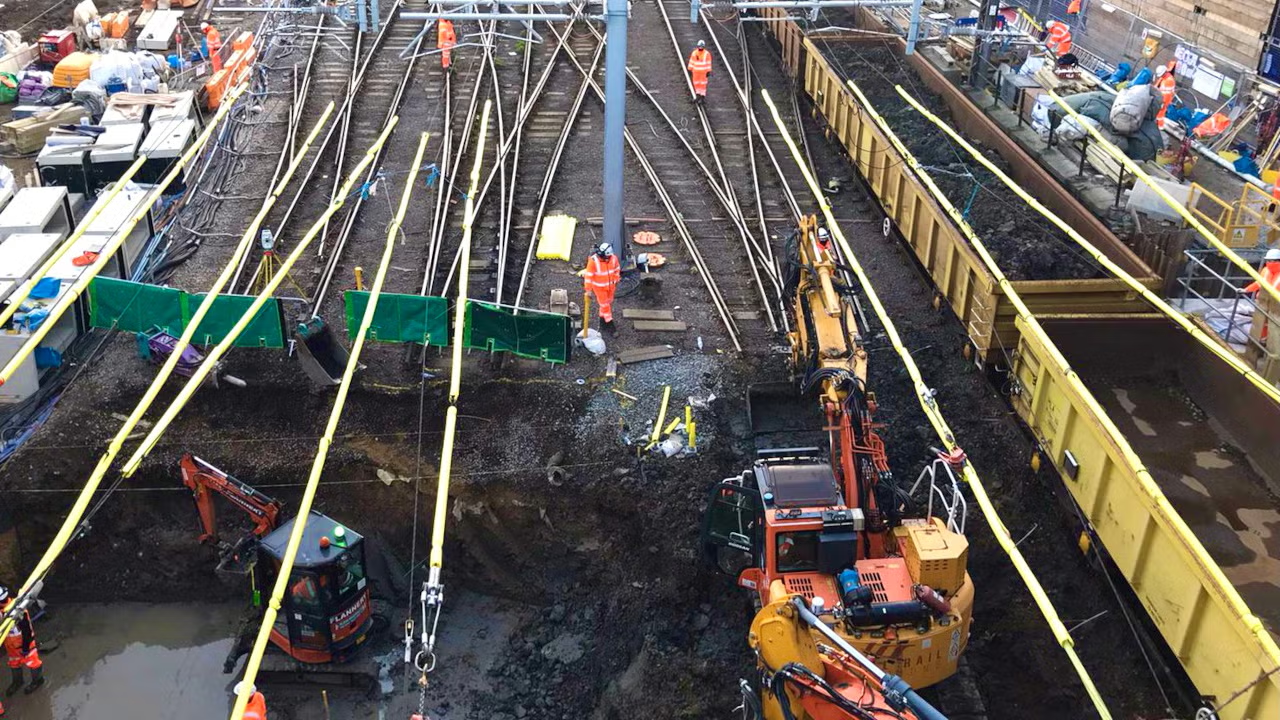

Understanding the Fundamentals of Railroad Engineering
Railroad Engineering plays a crucial role in enhancing transportation infrastructure, ensuring safe and efficient travel across extensive railway networks. This discipline encompasses various aspects ranging from the design and construction of track systems to ongoing maintenance and operations. An integral part of the civil engineering domain, Railroad Engineering combines scientific principles with practical skills to address the complexities of rail systems and their unique challenges. As the industry evolves, professionals involved in Railroad Engineering must stay updated with modern techniques and regulations. If you’re interested in a comprehensive insight into topics surrounding Railroad Engineering, this article aims to provide a thorough exploration.
What is Railroad Engineering?
Railroad Engineering is defined as the branch of engineering that focuses on the design, construction, maintenance, and operation of rail systems and infrastructure. It involves a multidisciplinary approach, integrating elements of civil, mechanical, and electrical engineering to ensure that railroads operate safely and efficiently. The field addresses the configuration of tracks, stations, signaling systems, and the vehicles that traverse them. With the rising demand for more sustainable and reliable transport, this discipline has garnered attention due to its potential to enhance public transit and freight movement.
Key Components of Railroad Engineering
Railroad Engineering encompasses various components critical for effective rail system functionality. These include:
- Track Design: This involves selecting the appropriate track material, gauge, and alignment suitable for specific services.
- Signal Systems: Proper signaling is vital for the safe and efficient movement of trains, requiring knowledge of electrical engineering.
- Station Design: Creating functional and accessible passenger stations while considering safety regulations and passenger experience.
- Rolling Stock: Understanding the design and maintenance of locomotives and carriages to ensure they can operate safely on the tracks.
- Safety Management: Enforcing protocols and systems to minimize accidents and enhance operational safety.
The Importance of Safety and Regulations in Railroad Engineering
Safety is paramount in Railroad Engineering due to the high stakes involved in transporting large volumes of passengers and freight. Engineers must adhere to stringent safety regulations enforced by government bodies and industry standards. This includes:
- Conducting regular inspections and maintenance of railway infrastructure.
- Implementing advanced technologies such as positive train control (PTC) systems to prevent accidents.
- Following guidelines outlined by organizations like the Federal Railroad Administration (FRA).
These measures ensure reliability and public trust in rail transportation, crucial for its continued growth and acceptance.
Educational Pathways in Railroad Engineering
To enter the field of Railroad Engineering, individuals often pursue formal education in engineering disciplines, with a focus on specific railroad technologies and practices. Various educational pathways can lead to a successful career in this area.
Degrees and Certifications in Railroad Engineering
A variety of educational programs cater to aspiring Railroad Engineers. Key pathways include:
- Bachelor’s Degree: A degree in civil engineering, railway engineering, or a related field is foundational for a career in Railroad Engineering.
- Master’s Degree: Advanced degrees provide in-depth knowledge and specialization in railway-related topics, enhancing career prospects.
- Certifications: Specialized certifications, such as those from the American Railway Engineering and Maintenance-of-Way Association (AREMA), validate knowledge and skills pertinent to safe and efficient rail operations.
Top Institutions for Railroad Engineering Studies
Several institutions are recognized for their commitment to providing quality education and research in Railroad Engineering. Notable universities include:
- University of Delaware: Known for its strong focus on railway safety and operations.
- Penn State Altoona: Offers a specialized railway engineering program geared toward freight and passenger industries.
- University of Wisconsin: Engages students in the complexities of transportation infrastructure.
Online Learning Opportunities for Railroad Engineering
The rise of online education has expanded opportunities for those wishing to specialize in Railroad Engineering. Many institutions now offer online courses and degrees, allowing greater flexibility for students and professionals. Popular platforms and programs include:
- MOOCs: Platforms like Coursera and edX provide courses from top universities focused on railway engineering topics.
- University Online Programs: Many established universities offer online degrees in engineering with specializations related to Railroad Engineering.
Innovations in Railroad Engineering Technology
Technological advancements are transforming the landscape of Railroad Engineering, enhancing efficiency, safety, and eco-friendliness. Innovative practices and tools are vital in modernizing rail systems.
Modern Tools and Software in Railroad Engineering
Advanced tools and software are instrumental for engineers in design, project management, and operations. Key technologies include:
- CAD Software: Tools such as AutoCAD and RailTrack are essential for precise track design and infrastructure layout.
- HSR (High-Speed Rail) Simulation Software: Model technologies that allow for the simulation of train operations at high speeds.
- Asset Management Systems: These systems help operators monitor and maintain rail assets effectively, ensuring safety and efficiency.
Environmental Considerations in Railroad Engineering
Sustainability is becoming increasingly crucial in all engineering fields, including Railroad Engineering. Best practices include:
- Utilizing renewable materials for construction and maintenance.
- Implementing energy-efficient systems and technologies.
- Conducting environmental impact assessments to guide new projects.
These practices not only minimize the environmental footprint but also foster innovation in creating more sustainable rail solutions.
The Role of Automation in Railroad Engineering
Automation is reshaping Railroad Engineering, from automated signaling systems to data analytics in maintenance. Notable advancements include:
- Automated Train Operations: Enhancements in train control technologies are improving efficiency.
- Predictive Maintenance: Utilizing machine learning algorithms to analyze data and predict potential failures.
- Smart Infrastructure: Integrating IoT devices for real-time monitoring of track and train conditions.
Challenges Facing Railroad Engineering Today
Despite its advancements, Railroad Engineering faces several challenges that require innovative solutions and strategic planning.
Infrastructure Maintenance and Upgrades
Maintaining existing rail infrastructure is critical to safety and reliability. Aging systems require regular upgrades, often within tight budgets. Solutions include:
- Prioritizing critical repairs based on risk assessments.
- Utilizing modern materials and techniques for sustainable upgrades.
Balancing Cost and Safety
Finding the right balance between operational costs and safety measures is essential. Strategies include:
- Investing in cost-effective safety technologies that provide maximum reliability without overspending.
- Conducting regular training and updates for personnel to maintain safety standards.
Addressing Environmental Impacts in Railroad Engineering
As environmental regulations become stricter, Railroad Engineers must address potential impacts of rail operations on ecosystems. Solutions include:
- Expanding green spaces in rail corridors.
- Integrating noise-reducing technologies in train designs.
Future Trends in Railroad Engineering
The future of Railroad Engineering is driven by innovations that promise to reshape how rail systems operate and serve communities worldwide.
Emerging Technologies in Railroad Engineering
Technological advancements continue to revolutionize the field. Notable trends include:
- Maglev Technology: The potential to utilize magnetic levitation for faster train speeds.
- Electric Trains: A shift toward fully electric rail systems to reduce carbon emissions.
Global Developments and Their Impact on Railroad Engineering
As globalization increases, collaboration is becoming vital in the development of rail systems. The exchange of technologies and best practices across countries encourages growth and innovation in the field.
The Evolving Role of Engineers in Railroad Engineering
The role of Railroad Engineers is rapidly evolving to incorporate interdisciplinary skills including data analytics, environmental awareness, and project management. Emphasizing lifelong learning and adaptability will equip engineers to meet future challenges effectively.
FAQs about Railroad Engineering
What does a railroad engineer do?
Railroad engineers are responsible for designing, constructing, and maintaining rail systems. They ensure safe and efficient transportation through various engineering practices.
How much do railroad engineers make in the US?
The average annual salary for railway engineers varies; as of now, it’s around $101,752, with potential for higher earnings based on experience and specialization.
How hard is it to become a railroad engineer?
Becoming a railroad engineer can be competitive and requires extensive training, including educational qualifications and practical experience, to ensure expertise in the field.
What qualifications do you need to be a Railway Engineer?
Typically, a bachelor’s degree in civil or railway engineering is required. Additional certifications and specialized training increase job prospects and career development.
Are there online courses available for Railroad Engineering?
Yes, many universities and platforms offer online courses in Railroad Engineering, ranging from introductory to advanced levels, accommodating diverse learning needs.