
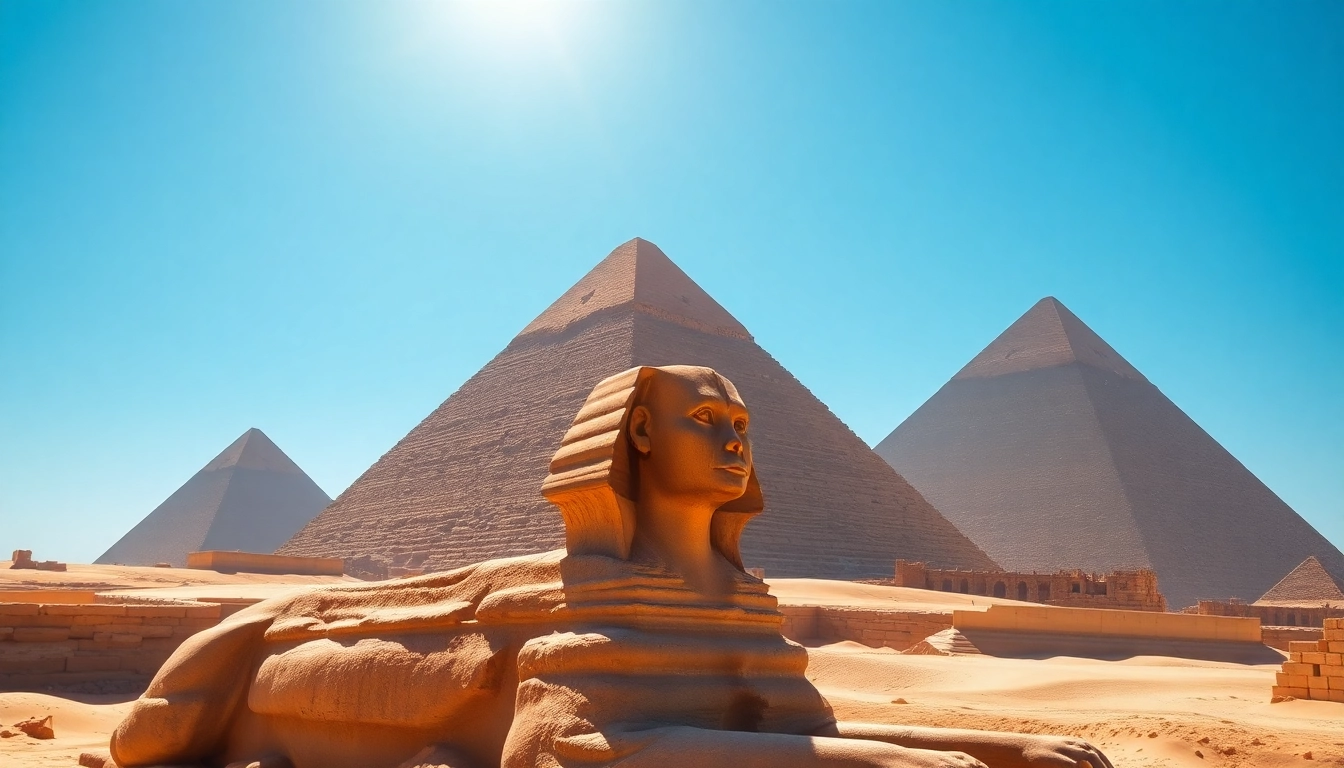

Introduction to Pyraminds
The term piraminds evokes images of grand structures that have captured the imagination of humanity for millennia. Pyramids, often associated with ancient Egypt, serve as monumental tombs exhibiting architectural brilliance and an enduring mystery about their construction and purpose.
What are Pyraminds?
Piraminds are large structures characterized by a square or triangular base and sloping sides that converge at a pinnacle. Historically, they functioned primarily as grand burial sites for pharaohs and elite members of society. Each pyramid is designed not only as a final resting place but also as a representation of the pharaoh’s journey to the afterlife, making them integral to ancient Egyptian cosmology.
The Historical Significance of Pyraminds
The historical importance of piraminds is immense. They are not merely archaeological sites but are gateways to understanding the civilization that constructed them. The pyramids were built during a period of significant advancement in engineering, art, and religion in ancient Egypt. Each pyramid reflects the ambition of its builder, showcasing the socio-political structure and religious beliefs of the time.
Common Misconceptions about Pyraminds
Despite their fame, numerous misconceptions surround piraminds. A prevalent myth is that they were built solely by slaves; in reality, many workers were skilled laborers who took pride in their work. Another myth posits that piraminds were constructed overnight. In truth, these colossal structures took decades to complete, requiring meticulous planning and immense resources.
Construction Techniques Behind Pyraminds
Materials Used in Pyraminds
The construction of piraminds necessitated an array of materials. Limestone, granite, and basalt were frequently utilized due to their durability. The outer casing stones were usually polished Tura limestone, presenting a gleaming surface that filled ancient Egyptians with pride. Recent findings indicate that materials were often quarried from nearby locations, minimizing transportation challenges.
Engineering Marvels: How They Were Built
The engineering techniques deployed in the construction of piraminds remain a topic of fascination. Utilizing a system of ramps, laborers hauled immense stones, each weighing several tons, to the higher levels of the structure. Theories suggest that various ramp configurations—straight, zigzag, or circular—were employed, illustrating innovative problem-solving of that era.
Tools and Techniques of Ancient Builders
Ancient Egyptians used rudimentary yet effective tools, including copper chisels and wooden sledges with sand poured beneath to minimize friction. Their understanding of geometry and astronomy significantly influenced pyramid alignment with the cardinal points, showcasing a high level of expertise in mathematics and physical sciences.
Cultural Impact of Pyraminds
Piraminds in Ancient Egyptian Culture
Piraminds played a pivotal role in the spiritual and cultural life of ancient Egyptians. They symbolized divine power and the pharaoh’s connection to the gods, particularly Osiris, the god of the afterlife. Each pyramid complex included temples and mortuary chapels, which served as focal points for religious ceremonies and offerings.
The Influence of Pyraminds on Modern Architecture
The architectural prowess of ancient piraminds has significantly influenced modern design. Many contemporary monuments and skyscrapers adopt pyramid-like features, incorporating their symbolism of stability and grandeur. This inspiration is evident in structures such as the Louvre Pyramid in France and the recently constructed pyramidal buildings in various urban landscapes worldwide.
Piraminds in Art and Literature
The allure of piraminds extends into art and literature, serving as symbols of mystery, power, and history. They inspire countless works of art, films, and novels, showcasing humanity’s eternal quest for knowledge and understanding of ancient civilizations. Iconic artworks often depict the grandeur of piraminds against the backdrop of endless desert sands, evoking a sense of wonder.
Research and Discoveries Related to Pyraminds
Recent Archaeological Findings
Advancements in technology facilitate ongoing archaeological explorations that consistently uncover new facets of piramid construction. Geophysical surveys have revealed the existence of unseen structures beneath the Giza Plateau, hinting at a network of underpinnings previously unknown to researchers. These discoveries enhance our understanding of the pyramids and their context within ancient Egyptian society.
Mysteries Yet to Be Solved
Despite extensive research, several enigmas surrounding piraminds remain unresolved. Critics question how ancient Egyptians transported stones from quarries located hundreds of miles away. Additionally, the existence and purpose of hidden chambers within the pyramids fuel ongoing research and speculation among historians and archaeologists.
Technological Advances in Pyramid Research
Modern non-invasive techniques, such as thermal imaging and radar scanning, provide deeper insights into piramid structures and construction methods. These technologies have unveiled features that traditional archaeological tools might miss, leading to more detailed reconstructions of the construction process and enhancement of historical narratives surrounding these majestic structures.
Visiting the Pyramids: A Traveler’s Guide
Best Times to Visit
The optimal period for visiting piraminds in Egypt is during the cooler months of December to February, allowing travelers to enjoy their experience without the sweltering heat typical of summer. Spring and fall also provide a delightful climate with fewer tourists, enhancing the exploration of these magnificent monuments.
Essential Tips for Travelers
To fully appreciate the grandeur of piraminds, travelers should dress modestly, respect local customs, and equip themselves with sufficient water and sun protection. Guided tours offer richer insights into the history and significance of these structures, while several museums nearby provide context that enhances the visit.
Popular Tours and Attractions near Pyramids
In addition to the iconic Giza pyramids, visitors should explore the nearby Sphinx, the Egyptian Museum, and the Solar Boat Museum. Each of these sites delivers valuable context to the piramids and provides a well-rounded understanding of ancient Egyptian culture and achievements in engineering and art.
Frequently Asked Questions
1. How old are the pyramids?
The pyramids date back over 4,500 years, with the Great Pyramid of Giza constructed around 2580–2560 BC, making it one of the oldest standing structures in the world.
2. What is the largest pyramid?
The Great Pyramid of Giza is the largest of all pyramids, standing at approximately 481 feet tall originally, reflecting the power and wealth of Pharaoh Khufu.
3. How were piraminds built?
Piraminds were constructed using skilled laborers who used a combination of ramps, sledges, and lever systems to move large stone blocks into place over several decades.
4. Can we enter the pyramids?
Yes, visitors can enter certain pyramids, including the Great Pyramid, which allows for exploration of its internal chambers, although access may be restricted occasionally.
5. What is the purpose of piraminds?
Piraminds primarily served as tombs for pharaohs, designed to ensure their safe passage to the afterlife and to reflect their divine status in ancient Egyptian culture.