
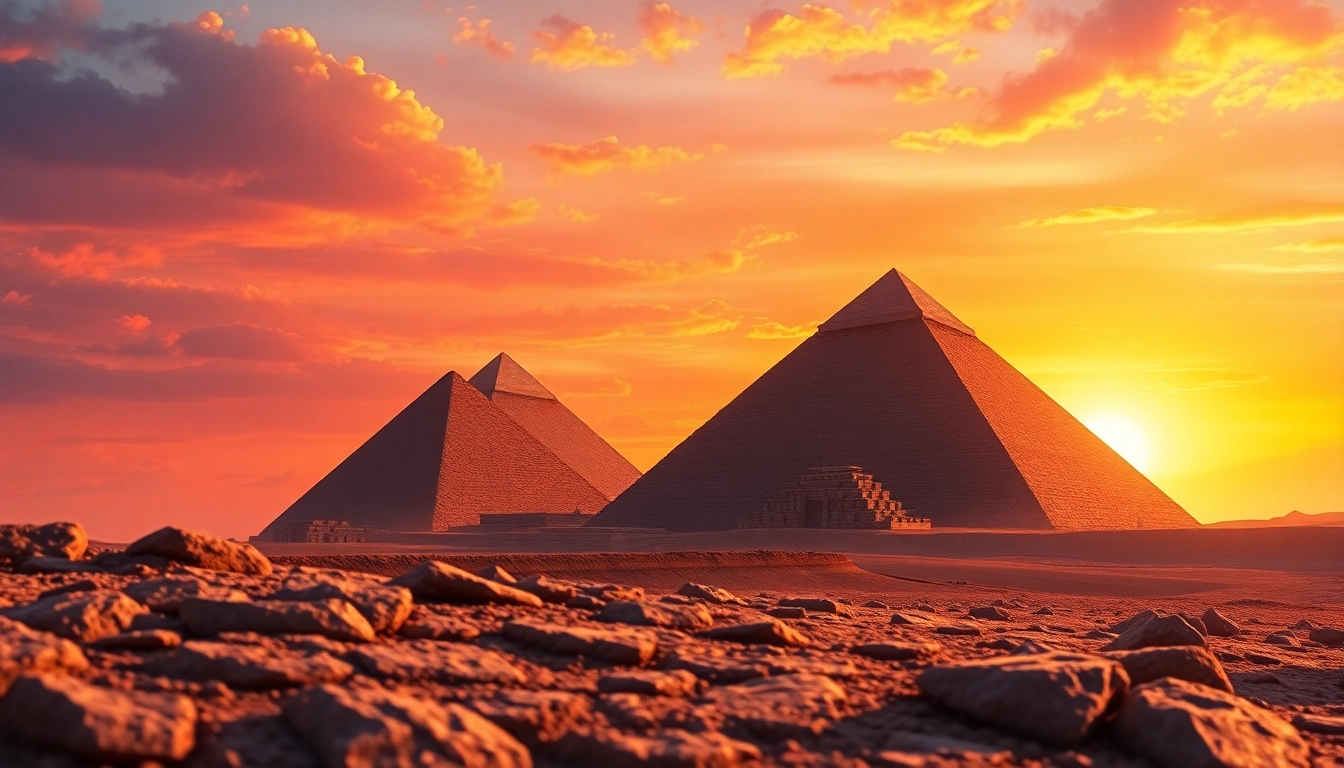

The Fascinating History of Pyraminds
The history of pyramids is one that intertwines ancient civilizations with monumental architecture and enigmatic purposes. These structures are not merely architectural marvels; they represent a significant part of human history, culture, and belief systems. A prime example of such an intricate design is found in piraminds. Their origins can be traced back to ancient times, reflecting not only the technological mastery of the builders but also their socio-religious contexts.
Ancient Origins and Construction Techniques
The construction of pyramids can be traced back to Egypt’s Old Kingdom, around 2600 BCE. The Great Pyramid of Giza, the most renowned of these structures, was built during this time for the pharaoh Khufu. Understanding the methods used in these constructions reveals a fascinating fusion of basic engineering principles and sheer manpower. Large stone blocks, often weighing upwards of two tons, were quarried and transported to the construction site. Workers, thought to be skilled laborers rather than slaves, used techniques such as sleds lubricated with water to move these massive stones across the desert.
Recent archaeological findings have suggested that pyramids may have also been constructed with an innovative framework system – allowing for gradual elevation of stones. This hypothesis is supported by evidence that the pyramid’s core was built up while the outer casing was added, essentially creating a stable structure that stood the test of time.
Symbolism and Function of Pyraminds
Pyramids were designed with profound symbolic meaning, often representing the connection between the earth and the heavens. They served as tombs for pharaohs and were designed for the afterlife, signifying the royal journey into eternity. The pyramid shape itself has been interpreted as a staircase to the heavens, embodying the aspirations of the Egyptians to ascend to the divine. Temples and smaller structures associated with the pyramids further illustrate their multifaceted functions, serving both spiritual and ceremonial purposes.
Key Historical Figures Involved
Throughout the construction of these incredible structures, several pharaohs played pivotal roles. Khufu, Khafre, and Menkaure are the most notable figures involved in the construction of the three primary pyramids on the Giza Plateau. Khufu’s vision of the Great Pyramid set the stage for subsequent rulers to express their power and divine connection through these monumental edifices. Besides royalty, architects like Imhotep are believed to have been instrumental in developing the early architectural techniques that facilitated pyramid construction.
Understanding the Geological Aspects of Pyraminds
Materials Used in Construction
The materials chosen for the construction of pyramids played a crucial role in their longevity and structural integrity. Primarily, limestone, granite, and basalt were used. Limestone was often quarried locally and served as the primary building material, while granite, which was significantly harder, was transported from Aswan, nearly 500 miles away. The use of different materials not only affected the aesthetics of the pyramids but also influenced their durability against erosion.
Impact of Erosion and Time on Structures
Over centuries, erosion has taken its toll on these monumental structures. Wind, sand, and rain have contributed to the gradual wearing down of their exteriors. However, the core structures often remain intact, thanks to the sturdy engineering techniques employed during their construction. Preservation efforts have become essential in maintaining these ancient wonders, as they not only symbolize a bygone era but also continuously fascinating studies for historians and archaeologists alike.
Preservation Efforts Around Pyraminds
Various national and international organizations are dedicated to the preservation of pyramids, addressing both environmental factors and human intervention. The introduction of protective structures, regular maintenance, and controlled tourism can help mitigate the damaging effects of time. Additionally, recent advances in technology enable precise monitoring of structural integrity, ensuring that further erosion can be addressed proactively.
Modern Exploration and Research on Pyraminds
Findings from Recent Archaeological Projects
Modern archaeology continues to unearth astonishing discoveries about pyramids. Excavations have revealed hidden chambers and passageways, altering our understanding of their internal structures and the functions these spaces served. Advanced methods, such as ground-penetrating radar and 3D imaging, allow researchers to explore without invasive techniques, preserving the integrity of these ancient sites while providing insights into their history.
Technological Innovations in Pyramind Research
Technological innovations play a crucial role in enhancing our understanding of pyramids. Non-invasive methods like laser scanning and digital mapping have revolutionized how archaeologists study these structures. These technologies enable detailed analysis that would have been impossible in the past, providing new perspectives on construction techniques, seasonal changes, and the pyramids’ alignment with celestial bodies.
Integration of Local Cultures and Tourism
The integration of local cultures into the tourism surrounding the pyramids has profound implications for both preservation and education. Engaging local communities in tourism initiatives promotes respect for these historical sites and generates income that can be reinvested into preservation efforts. Furthermore, educational programs that highlight the cultural significance of pyramids allow visitors to appreciate their historical contexts and foster a deeper respect for ancient civilizations.
Legends and Mysteries Surrounding Pyraminds
Common Myths Debunked
Throughout history, pyramids have been surrounded by a myriad of myths. One prevalent myth is that slaves built the pyramids. In reality, evidence indicates that skilled laborers, often celebrating their contributions, constructed these colossal structures. Other myths, such as pyramids containing hidden alien technology or serving as energy sources, have been equally debunked by scholars and archaeologists.
Unsolved Mysteries That Persist Today
Despite extensive research, many mysteries surrounding pyramids remain unresolved. The precise methods used to transport the massive stones over long distances continues to baffle scientists. Additionally, questions regarding the exact purposes of certain chambers and the full extent of the pyramids’ alignments with celestial bodies invite ongoing exploration and theorization.
Influence on Popular Culture and Media
The fascination with pyramids has transcended historical boundaries, significantly impacting popular culture and media. Films, television shows, and literature frequently depict these majestic structures, often intertwining them with fantasy and adventure narratives. This continued interest serves not only to entertain but also to educate audiences on the cultural importance of ancient civilizations.
Preserving the Legacy of Pyraminds for Future Generations
Eco-Tourism and Sustainable Practices
Eco-tourism is becoming increasingly valuable in the context of pyramid tourism. Sustainable practices, including waste reduction, conservation efforts, and educational outreach, can ensure that pyramids endure for future generations. By promoting responsible tourism, we can foster an appreciation for these ancient structures while minimizing the environmental footprint of visitors.
Engaging the Community in Preservation
Community involvement is vital for the preservation of pyramids. Initiatives involving local populations highlight their historical ties to these monuments and foster a sense of ownership. Programs that educate communities about the significance of pyramids and their role in heritage conservation can ensure these structures have advocates who actively participate in their upkeep.
Educational Programs and Their Importance
Educational programs targeting both locals and tourists are essential in fostering an understanding of the historical context of pyramids. Schools, cultural institutions, and tourism boards should collaborate to develop curricula that address the significance of these ancient structures. By enhancing the educational component of visiting pyramids, we can cultivate informed advocates for their continued preservation.
Frequently Asked Questions
What is the purpose of pyramids?
Pyramids primarily served as monumental tombs for pharaohs, allowing them to access the afterlife while symbolizing their divine connection and authority.
How were pyramids built?
Constructed using large stone blocks transported over long distances, pyramids were built using organized labor, advanced engineering techniques, and tools of their time.
Are pyramids still being explored today?
Yes, ongoing archaeological projects and modern technology continue to reveal new findings, uncovering lost chambers and enhancing our understanding of pyramid construction.
What materials were used in pyramid construction?
Predominantly limestone and granite were utilized, with limestone quarries located near construction sites and granite transported from Aswan, many miles away.
Why are pyramids important to history?
Pyramids provide profound insights into ancient Egyptian culture, architectural prowess, and beliefs about the afterlife, serving as a testament to human ingenuity and heritage.