
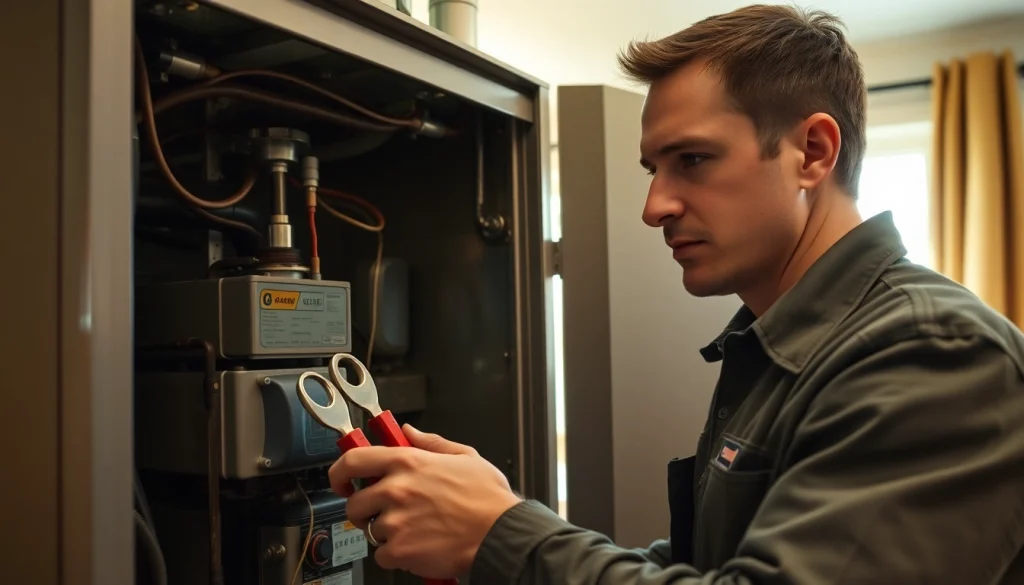
Understanding Gas Furnaces
Gas furnaces are one of the primary heating systems used in many homes today, particularly in regions with cold winters. They operate by burning natural gas or propane to generate heat, which is then circulated through the home via ducts. Understanding how these systems work is essential for homeowners looking to maintain or repair their heating systems effectively. For those in need of assistance, seeking professional gas furnace repair bedford ny options can be incredibly helpful.
Components of a Gas Furnace
A typical gas furnace comprises several essential components, each playing a vital role in the heating process. The main parts include:
- Burner: This is where gas is mixed with air and ignited to produce heat.
- Blower: It circulates the heated air throughout the home via vents.
- Heat Exchanger: This component transfers heat to the air while preventing combustion gases from entering the living space.
- Thermostat: A device that regulates the temperature by signaling the furnace when to turn on or off.
- Flue Pipe: A conduit that safely directs combustion gases outside the home.
Common Issues Faced
Gas furnaces are generally reliable but can encounter various issues over time. Some common problems include:
- Faulty Thermostat: Can cause inconsistent heating and require recalibration or replacement.
- Dirty Filters: Clogged air filters impede airflow, forcing the furnace to work harder and increasing energy costs.
- Ignition Problems: If the burner doesn’t ignite, it could be due to issues with the pilot light or electronic ignition system.
- Gas Leaks: Any detection of gas odors should prompt immediate professional inspection, as they pose serious safety risks.
Advantages of Gas Heating
There are several benefits to using gas furnaces over other heating systems, including:
- Cost Efficiency: Natural gas is often more affordable than electricity, making gas furnaces more cost-effective in the long run.
- Consistent Heat: Gas furnaces provide steady and reliable heating even in extremely cold temperatures.
- Environmentally Friendly Options: Newer gas furnaces are designed to be more energy-efficient, reducing the carbon footprint compared to older models.
- Quick Heating: Gas furnaces heat up faster than electric models, resulting in reduced waiting times for comfort.
Signs Your Gas Furnace Needs Repair
Recognizing the warning signs of a malfunctioning gas furnace can save homeowners from more extensive damage and expensive repairs. Here are some indicators you should be aware of:
Unusual Noises and Odors
If your gas furnace begins to produce strange sounds like banging, rattling, or squeaking, this may indicate internal component failure. Additionally, gas-related smells should never be ignored; a rotten egg odor could signify a gas leak.
Inconsistent Heating Patterns
Uneven temperatures throughout your home, particularly cold spots, suggest that your furnace may be struggling to distribute heat evenly. This issue often stems from problems with the blower motor or ductwork obstructions.
Higher Energy Bills
An unexplained spike in your energy bills can indicate that your gas furnace is working harder to achieve the desired temperature, often due to poor maintenance or hidden malfunctions. Consistent monitoring of your energy expenses can help pinpoint issues early.
Finding the Right Repair Service
Choosing a dependable repair service is crucial for ensuring your gas furnace receives the appropriate care. Here are key factors to consider:
Licensing and Certifications
Verify that your chosen repair service possesses the necessary licenses and certifications to operate in your area. This ensures that they meet industry standards and regulations, providing you with peace of mind regarding their expertise.
Customer Reviews and Recommendations
Look for customer feedback and testimonials online to gauge the reliability and quality of service provided by the repair company. Personal recommendations from friends or family can also offer valuable insights.
Cost Estimates
Request written estimates from multiple service providers to compare pricing fairly. Ensure that these estimates detail labor, parts, and any additional fees, which can help you avoid unexpected costs.
DIY Maintenance for Your Gas Furnace
While professional help is often necessary for major repairs, homeowners can perform several maintenance tasks to prolong their furnace’s lifespan:
Regular Filter Changes
One of the most straightforward maintenance tasks is changing the air filter every 1-3 months. A clean filter enhances airflow, improving efficiency and indoor air quality.
Keeping Vents Clear
Inspect and clear any obstructions from your furnace vents to ensure the efficient flow of heated air. Furniture, curtains, or dirt can easily block vents and decrease heating performance.
Checking Thermostat Settings
Regularly verify your thermostat settings to ensure they correlate with your heating preferences. If the thermostat is malfunctioning or placed in an inappropriate location, it may cause significant inconsistencies in heating.
FAQs about Gas Furnace Repair
What are common signs of gas furnace problems?
Common signs include unusual noises, inconsistent heating, and strange odors or higher energy bills. Prompt attention to these issues can prevent further damage.
How often should I have my gas furnace serviced?
It’s generally recommended to have your gas furnace serviced annually to ensure optimal performance and safety. Regular maintenance can significantly extend its lifespan.
Can I repair my furnace myself?
Some minor issues like changing filters can be handled by homeowners. However, more complex repairs should be done by professionals to avoid safety hazards.
What is the average cost for gas furnace repair?
The cost varies widely based on the type of repair needed. General estimates can range from $100 to $1000. Request quotes for accurate pricing.
How can I increase my furnace’s efficiency?
Regular maintenance, including filter changes and keeping vents clear, coupled with proper thermostat usage, can enhance your furnace’s efficiency significantly.