
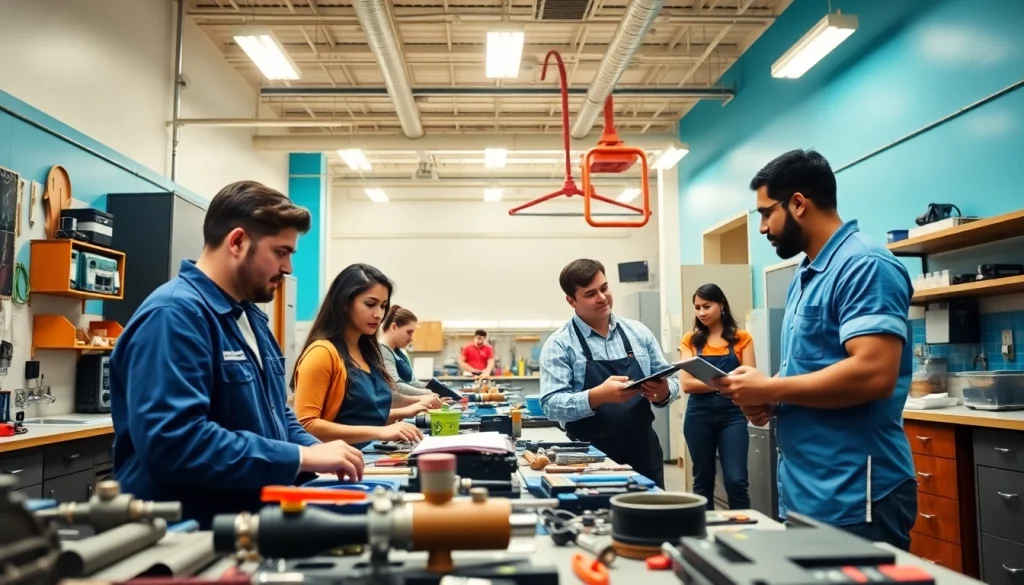
Understanding Trade School Tennessee
Trade schools, also known as vocational or technical schools, offer specialized education aimed at preparing students for specific careers. Within the context of Trade School Tennessee, these institutions provide valuable skills and training that are crucial in today’s job market. Unlike traditional colleges, trade schools focus on hands-on experience and practical knowledge, making them an excellent option for individuals seeking to enter the workforce quickly.
What is Trade School?
Trade schools are educational institutions that provide training in specific trades or careers. A defining characteristic is their emphasis on practical skills and hands-on experience, often coupled with classroom learning. Programs are typically shorter than traditional college degrees, allowing students to graduate and enter the workforce in a fraction of the time. Common trades taught at these schools include plumbing, electrical work, automotive technology, HVAC, and culinary arts, among others.
Benefits of Attending Trade School Tennessee
Attending a trade school in Tennessee offers numerous advantages:
- Shorter Programs: Trade school programs can often be completed in one to two years, allowing students to start their careers quickly.
- Cost-Effective: Tuition is generally lower than that of traditional colleges, making it a more affordable option for many.
- Job Placement Opportunities: Many trade schools have strong partnerships with local employers, facilitating job placements for graduates.
- Hands-On Learning: Students gain practical skills through hands-on training, which is essential in technical fields.
- High Demand for Skilled Workers: Many industries are facing a shortage of skilled workers, increasing job security for graduates.
Trade School vs. Traditional College
When comparing trade schools to traditional colleges, several key differences emerge:
- Duration: Trade schools typically offer shorter programs focused on specific skills, while traditional colleges often require four years for a degree.
- Curriculum Focus: Trade schools emphasize practical skills relevant to the workforce, whereas traditional colleges may include broader, academic subjects.
- Cost: Trade schools are usually more affordable due to shorter program lengths and lower tuition rates.
- Job Market Alignment: Trade schools often align directly with industry demands, ensuring curricula meet current job market needs.
Exploring Career Opportunities
The landscape for career opportunities available to trade school graduates in Tennessee is vast and varied. The need for skilled labor has grown significantly, leading to numerous high-demand jobs across various industries.
High-Demand Fields in Trade School Tennessee
Some of the high-demand fields for trade school graduates in Tennessee include:
- Construction Trades: Carpenters, electricians, and plumbers are essential in the booming construction sector.
- Healthcare: Medical technicians, dental hygienists, and allied health professionals are in high demand to support the healthcare system.
- Information Technology: Fields such as network administration and cybersecurity offer great opportunities for technically inclined graduates.
- Automotive Technology: Skilled mechanics are crucial as vehicle technology becomes more advanced.
Success Stories from Trade School Graduates
Many graduates from trade schools have gone on to have successful careers, showcasing the effectiveness of this educational path. For example:
A graduate from a Tennessee trade school in welding quickly secured a position with a major manufacturing firm and has since advanced to a senior role, managing a team of welders. Their success is a testament to the practical skills gained through trade school education.
Another graduate in the HVAC field was able to start a self-employed business, highlighting the entrepreneurial opportunities that a trade school education can provide.
Employer Perspectives: Why They Value Trade School Students
Employers across Tennessee express a high level of appreciation for trade school graduates for several reasons:
- Job Readiness: Graduates arrive with relevant skills and training necessary for immediate employment.
- Work Ethic: Many trade schools instill a strong work ethic in students, making them valuable team members.
- Technical Knowledge: Specialized training ensures graduates are knowledgeable about the latest industry practices and technologies.
Admission Process and Requirements
Understanding the admission process is crucial for prospective students interested in trade schools. Each institution may have different requirements, but there are general steps to follow.
Preparing for Trade School Tennessee Enrollment
Before applying, prospective students should prepare by researching various trade schools in Tennessee and the specific programs they offer. Consider the following steps:
- Identify Interests: Determine which trades align with personal interests and career goals.
- Visit Schools: Attend open houses or informational sessions to learn more about facilities and programs.
- Gather Documentation: Prepare transcripts, identification, and other necessary documents for the application process.
Financial Aid and Scholarships
Financial aid can greatly assist students in managing tuition costs. Options available include:
- Federal Financial Aid: Students may qualify for loans or grants through federal programs.
- State-Based Scholarships: Tennessee offers various scholarships specifically for trade school students.
- Institutional Aid: Many trade schools provide their own financial aid or scholarship opportunities for qualified applicants.
Common Admission Mistakes to Avoid
It’s essential to be aware of potential pitfalls during the admission process. Common mistakes include:
- Neglecting Research: Failing to thoroughly research schools can lead to misaligned expectations.
- Missing Deadlines: Application and scholarship deadlines are crucial; missing them can postpone education plans.
- Overlooking Financial Options: Not exploring all financial aid options can result in unnecessary financial burdens.
Essential Skills Taught at Trade Schools
Trade schools equip students with both technical and soft skills necessary for success in their chosen fields. This well-rounded approach ensures graduates are not only skilled laborers but also effective team members.
Technical Skills for Various Trades
Technical skills vary by trade but generally include:
- Electrical Systems: Understanding wiring, circuit design, and safety protocols.
- Mechanical Skills: Proficiency in repairing and maintaining machinery.
- Construction Techniques: Knowledge of safety regulations, building codes, and materials.
Soft Skills Development in Trade School Tennessee
In addition to technical training, soft skills are critical for professional success. Trade schools often focus on cultivating the following:
- Communication: Ability to convey ideas clearly and collaborate with team members.
- Problem-Solving: Developing strategies to address and resolve workplace challenges.
- Time Management: Learning to prioritize tasks effectively to meet deadlines.
Hands-on Learning Experiences
One of the standout features of trade schools is their emphasis on hands-on learning. This might include:
- Simulated Work Environments: Many schools provide labs and workshops that mimic real workplace scenarios.
- Internships: Partnering with local businesses for practical experience while studying.
- Project-Based Learning: Students engage in projects that require practical application of their skills.
Future Trends in Trade School Education
The landscape of trade school education is evolving. Emerging trends are shaping how training is delivered and what skills are prioritized.
Innovations in Teaching Techniques
Trade schools are embracing various teaching innovations to enhance student learning. Techniques being adopted include:
- Blended Learning: Combining online instruction with traditional classroom settings allows for flexible learning options.
- Industry Partnerships: Collaborations with businesses help design curricula that meet the needs of the job market.
- Competency-Based Education: Students progress based on skills mastery rather than time spent in class, promoting individualized pacing.
The Role of Technology in Trade Education
Technology plays a crucial role in trade education, influencing everything from curriculum design to the skills required for graduate success. Notable impacts include:
- Virtual Reality: Utilized in fields like welding and construction for realistic simulations and safety training.
- Online Training Platforms: Offering courses that allow students to access learning resources anytime, anywhere.
- Advanced Tools and Software: Ensuring that students learn to use the most current technologies in their respective fields.
Preparing for Emerging Industries
As industries evolve, trade schools are adjusting their programs to prepare students for emerging fields. Growing sectors include:
- Renewable Energy: Skills training in solar panel installation and maintenance is becoming increasingly important.
- Cybersecurity: Addressing the growing need for skilled professionals to protect digital information.
- Healthcare Technology: Preparing students for a workforce that increasingly relies on innovations in health tech.
Frequently Asked Questions
What is the typical duration of programs?
Most trade school programs in Tennessee can be completed in one to two years, focusing on practical skills and hands-on training.
Are there financial aid options available?
Yes, students can access various financial aids, including federal grants, state scholarships, and institutional assistance.
What fields are in high demand for trade school graduates?
Fields such as healthcare, construction, automotive technology, and information technology are currently in high demand.
Do trade schools provide job placement services?
Many trade schools offer job placement assistance and have partnerships with local employers to help graduates find jobs.
How does trade school education differ from traditional college?
Trade schools focus on specific skills and hands-on learning, while traditional colleges provide broader academic education, often taking longer to complete.