

Understanding Fly Fishing Nets
What is a Fly Fishing Net?
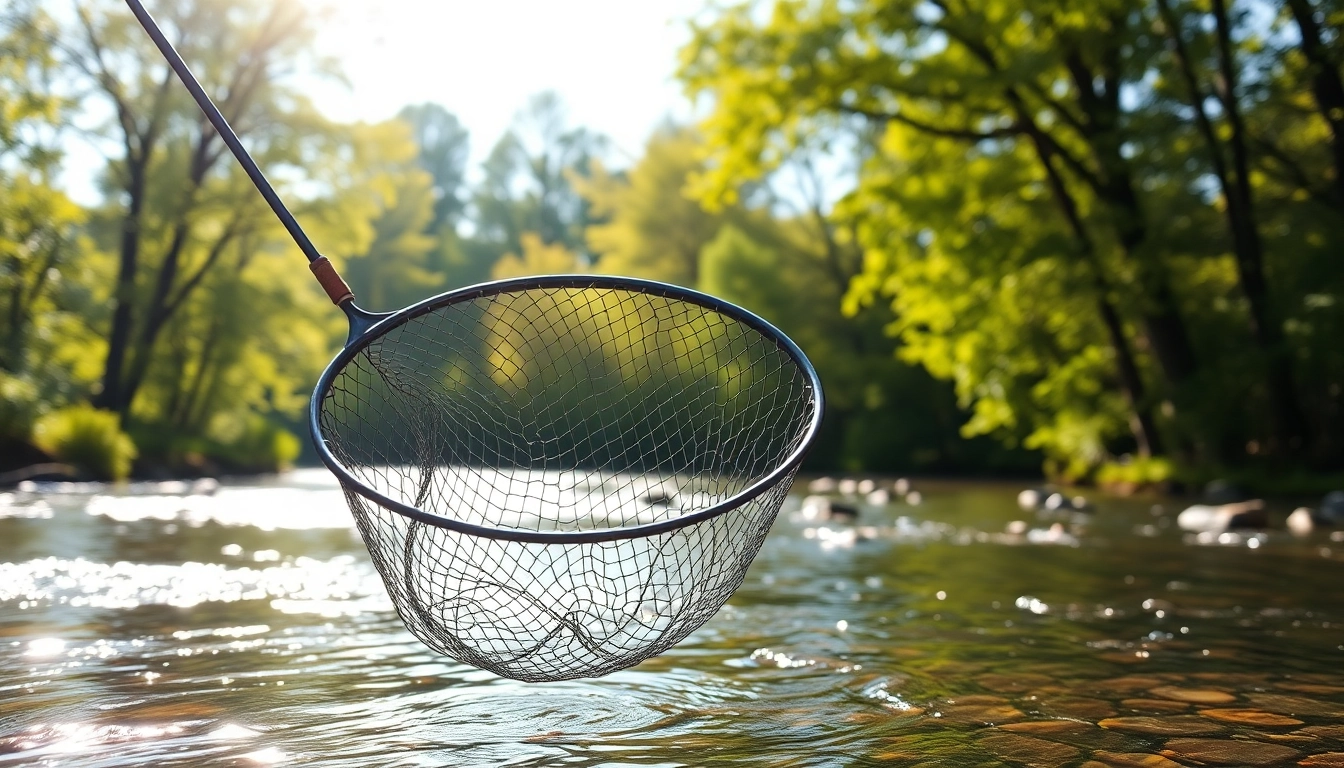
A fly fishing net is a specialized tool designed to help anglers catch and release fish without causing harm. Unlike traditional fishing nets, fly fishing nets are typically equipped with a shallow hoop and a soft mesh bag that minimizes injury to fish, especially delicate species like trout. These nets come in various sizes, shapes, and materials, tailored to the specific needs of fly fishing enthusiasts. Whether you’re a seasoned angler or a beginner, understanding the role of a fly fishing net is crucial for enhancing your fishing experience.
Types of Fly Fishing Nets Available
Fly fishing nets can be categorized mainly into three types: landing nets, boat nets, and catch-and-release nets. Understanding these distinctions is vital for selecting the right net for your fishing style and conditions.
- Landing Nets: Used primarily for short assignments on foot; these nets are lightweight, have a fine mesh, and are easy to carry. They usually feature a long handle to help reach fish without the need to wade into deeper water.
- Boat Nets: Designed for use from a kayak or a boat, these nets often have a larger hoop and deeper bag to accommodate larger fish and the confines of a boat’s deck.
- Catch-and-Release Nets: These nets prioritize the health of the fish, featuring soft mesh and a design that minimizes stress and handling time, allowing the angler to gently land and release the fish quickly.
Key Features to Look for in a Fly Fishing Net
When choosing a fly fishing net, several key features should be prioritized to ensure optimal performance.
- Material: Common materials include aluminum, wood, and carbon fiber. Each has its pros and cons regarding weight, durability, and how it feels in hand.
- Handle Length: Choose a handle that fits your fishing style. Longer handles help reach out to stray fish while shorter handles are more compact.
- Net Bag Size and Mesh Type: A larger bag allows for the accommodation of bigger fish, while finer mesh protects fish scales and fins from damage.
- Weight: Portability is crucial for any fishing expedition. Lightweight nets are easier to carry and less cumbersome during a long day on the water.
Choosing the Right Size of Fly Fishing Net
Factors Influencing Size Selection
Selecting the appropriate size for your fly fishing net involves several considerations. These depend heavily on the species of fish you aim to catch, the fishing environment, and personal preference.
- Target Species: Different fish species require varying net sizes. Larger species like pike will need bigger nets, while smaller species can be accommodated with smaller nets.
- Fishing Environment: If you fish from a boat, a larger net can help maneuver the catch easily. Conversely, when fishing from the bank, a more compact net could be more practical.
- Personal Comfort: Choose a size that feels comfortable to your grip. It shouldn’t hinder your fishing performance.
Common Size Recommendations
Here are some common size recommendations based on various fishing scenarios:
- Small Stream Fishing: A net size of 20-22 inches is generally fitting for trout in small streams.
- Lake or Larger Rivers: A 24-30 inch net is suitable for medium-sized fish. This option provides ample room for effective catch-and-release.
- Big Fish Species: For anglers targeting larger species, a net size of 32 inches or more would be beneficial.
Optimal Sizes for Different Fish Species
Always consider the size of the fish species when selecting a net. Here’s a breakdown of optimal net sizes by fish type:
- Trout: 20-24 inches for most sizes.
- Bass: A 24-28 inch net is typically adequate.
- Pike and Musky: Nets that are 36 inches or greater are optimal.
- Salmon: 32 inches should suffice for smaller sizes, but larger nets are safer for bigger salmon.
Materials and Durability in Fly Fishing Nets
Overview of Common Net Materials
The choice of material in a fly fishing net affects several performance factors like weight, flexibility, and durability.
- Wood: Often highly aesthetic, wooden nets are durable and have excellent floatation capabilities, though they can be heavier and require more maintenance to protect against water damage.
- Aluminum: Common in landing nets due to its durability and lightweight attributes. Aluminum nets often come with anodized finishes to protect against rust.
- Carbon Fiber: Lightweight and strong, carbon fiber nets are becoming popular but are generally more expensive.
- Plastic Mesh: Provides an alternative to both metal and wood, often more affordable, but not always as durable.
The Importance of Durability in Fly Fishing Nets
Considering the conditions fly fishing typically involves—from rocky rivers to submerged branches—a durable net is essential. A net that withstands years of use will ultimately save you money and allow for a better fishing experience. Look for nets that provide a solid build quality and are resistant to wear, particularly in the bag and handle where stress is greatest.
Eco-Friendly Options for Sustainable Fishing
As sustainable fishing practices gain importance, eco-friendly nets made from biodegradable materials or recycled plastics are emerging in the market. These nets minimize environmental impact while maintaining performance. Opting for nets designed with sustainable practices can be a step in the right direction for responsible fishing.
Techniques for Using Your Fly Fishing Net
Best Practices for Catching and Releasing
Using a fly fishing net correctly involves specific techniques for catching and releasing fish that promote their health and survivability.
- Minimize Time Out of Water: Once hooked, bring the fish in efficiently and try to land it quickly.
- Wet the Net: Always wet your net before using it. This helps protect the fish’s skin against damage and slime loss.
- Use a Gently Approach: For catch-and-release practices, avoid sudden movements. Calmly guide the fish into the net.
How to Handle Fish Properly with a Fly Fishing Net
Proper handling is vital for the fish’s recovery.
- Support the Body: Never lift the fish by its jaw; always support its body with your hands, preferably under the belly.
- Avoid Direct Sunlight: If possible, keep fish below water level and out of direct sunlight while in your net.
- Limit Handling Time: Efficiently manage the unhooking process before returning the fish to the water.
Maximizing Your Net’s Effectiveness
To maximize your net’s effectiveness:
- Practice: Regular practice with your net in different conditions will help you manage catches optimally.
- Know Your Gear: Be familiar with your equipment and how your net fits into your overall fishing strategy.
- Observe Others: Learning from experienced anglers can also provide insight into effective net usage.
Maintaining Your Fly Fishing Net
Cleaning and Storing Techniques
Maintaining a fly fishing net involves regular cleaning to prevent damage from aquatic organisms and ensuring it lasts for many seasons. After each use:
- Rinse the Net: After each fishing trip, rinse the net in freshwater to remove debris and salt, especially if used in saltwater fishing.
- Dry Thoroughly: Allow the net to dry completely to avoid mold and unpleasant odors.
- Store Carefully: Store the net in a cool, dry place, ideally in a protective sleeve or case to prevent damage.
Common Repairs and Maintenance Tips
Inspect your net regularly for signs of wear:
- Check the Mesh: Look for any holes or tears in the netting and repair them promptly to avoid losing fish.
- Handle Check: Ensure the handle is not loose. Tighten screws or replace parts if necessary.
How to Extend the Life of Your Fly Fishing Net
To ensure longevity:
- Avoid Excessive Weight: Never put excessive strain on your net. Use it within its designed capacity.
- Winterize Your Gear: Prepare your net for colder months by ensuring it is properly cleaned and stored to avoid frost damage.
- Periodic Inspections: Conduct regular checks for wear and tear, especially before the start of the fishing season.