
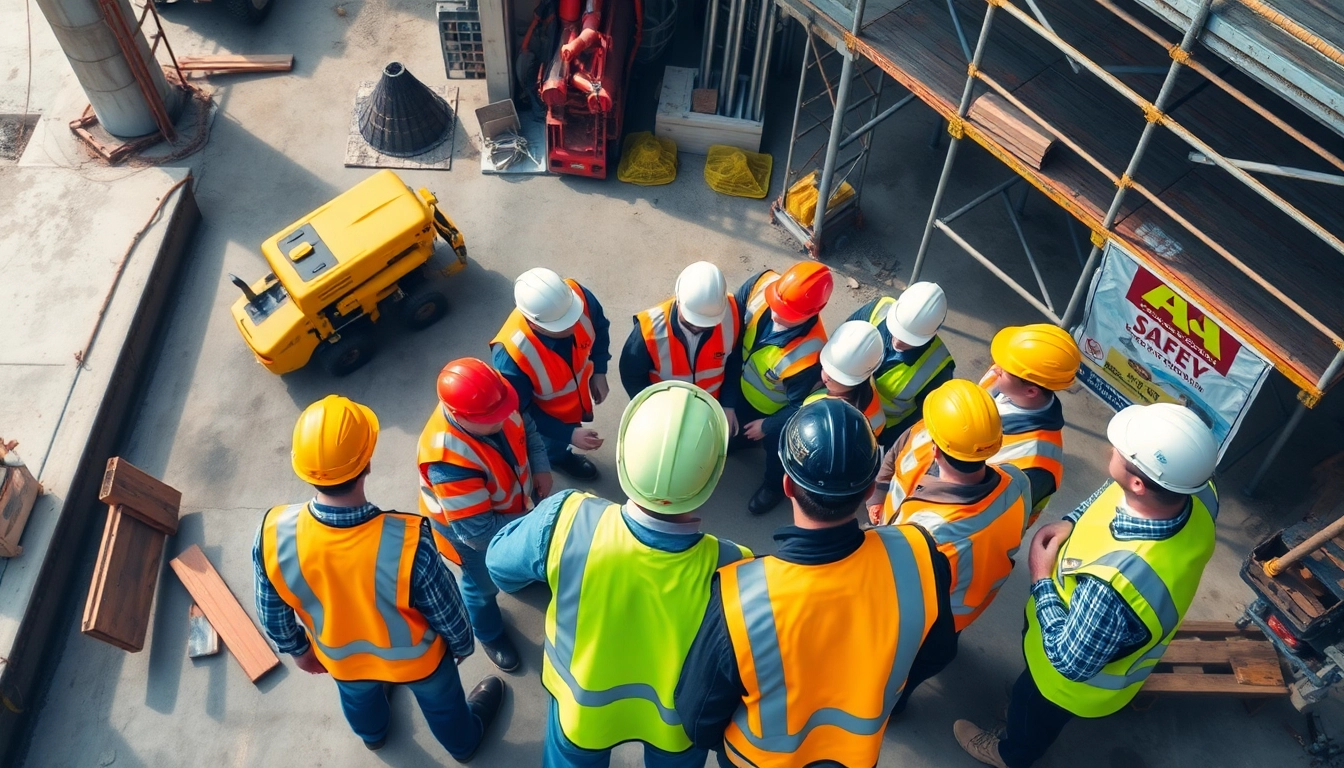

Understanding Construction Site Safety
Construction site safety is a critical concern for industry professionals and stakeholders. It encompasses a wide array of practices, protocols, and regulations designed to protect workers from hazards that could cause injury or even death. In today’s fast-paced construction environments, the emphasis on construction site safety has never been more crucial, as the industry evolves and faces new challenges.
The Importance of Construction Site Safety
The importance of construction site safety cannot be overstated. Each year, thousands of construction workers suffer injuries or fatalities due to unsafe working conditions. Effective safety measures not only protect workers’ health but also enhance productivity, reduce costs associated with accidents, and create a more positive work environment. Companies committed to safety can see benefits such as lower insurance premiums, improved employee morale, and enhanced reputations.
Common Hazards in Construction Environments
Understanding the risks prevalent in construction environments is essential for implementing effective safety measures. Common hazards include:
- Falls: Slips, trips, and falls are among the leading causes of injury in construction. Fall protection systems are vital.
- Electrical Hazards: Live wires or exposed circuits can lead to electrical shocks or electrocution.
- Equipment and Machinery: Heavy machinery can pose crushing and striking hazards if not operated correctly.
- Hazardous Materials: Exposure to toxic substances, such as asbestos or lead, requires specific training and protective measures.
- Noise Exposure: Prolonged exposure to high levels of noise can lead to hearing loss among workers.
Core Safety Regulations and Standards
Navigating safety regulations is critical for compliance and ensuring worker protection. Key safety regulations include:
- OSHA Regulations: The Occupational Safety and Health Administration sets forth mandatory safety standards for the construction industry.
- State and Local Codes: Many states and municipalities have additional safety codes tailored to local conditions.
- Industry Standards: Additional guidelines from industry bodies, such as the National Safety Council, offer best practices.
- Safety Data Sheets (SDS): These are crucial for any hazardous materials present on-site, detailing proper handling and emergency procedures.
Implementing Safety Protocols
Developing a Comprehensive Safety Plan
A well-thought-out safety plan is the backbone of any construction site’s safety strategy. It should encompass:
- Risk Assessments: Identify potential hazards and determine mitigation strategies.
- Roles and Responsibilities: Clearly define who is responsible for various aspects of safety at the site.
- Emergency Procedures: Develop and communicate plans for potential emergencies, including evacuation routes and first-aid protocols.
Worker Training and Awareness Programs
Training is vital for instilling safety culture. Programs should include:
- Orientation Training: New workers should undergo orientation covering site-specific hazards and safety protocols.
- Regular Refreshers: Ongoing training ensures that all workers stay current on best practices and any changes to safety regulations.
- Specialized Training: For unique tasks or equipment, specialized training programs should be implemented.
Personal Protective Equipment (PPE) Essentials
Providing adequate Personal Protective Equipment (PPE) is non-negotiable. Essential PPE may include:
- Hard Hats: To protect against falling objects.
- Safety Glasses: To guard against eye injuries.
- Hearing Protection: Essential in high-noise environments.
- Gloves and Footwear: Steel-toed boots and cut-resistant gloves can prevent serious injuries.
Monitoring and Improving Safety Practices
Conducting Regular Safety Audits
Regular safety audits are crucial for assessing compliance with safety protocols. Audits should evaluate:
- Site Conditions: Inspecting for hazards, ensuring PPE compliance, and identifying areas for improvement.
- Documentation: Ensuring that safety training and incident reports are up-to-date and complete.
- Employee Feedback: Gathering input from workers can reveal overlooked hazards and areas for improvement.
Utilizing Technology for Safety Management
Emerging technologies enhance safety management practices. Notable tools include:
- Safety Management Software: Applications that streamline documentation, training schedules, and audit trails.
- Drones: Used for site inspections, offering a bird’s-eye view to identify potential hazards quickly.
- Wearable Technology: Devices that monitor workers’ vitals and environmental conditions to prevent heatstroke or overexertion.
Encouraging a Safety Culture on Site
Creating an environment that prioritizes safety is essential. Strategies include:
- Leadership Involvement: Leaders should visibly demonstrate commitment to safety, setting the tone for the rest of the workforce.
- Recognition Programs: Incentivizing safe practices encourages workers to prioritize safety.
- Open Communication: Facilitate dialogues about safety concerns, ensuring workers feel comfortable raising issues without fear of repercussions.
Responding to Safety Incidents
Emergency Response Planning
Being prepared for potential emergencies can save lives. Elements of an effective emergency response plan include:
- Defined Roles: Assigning responsibilities for emergency response, including first responders and communication managers.
- Emergency Contacts: Maintain an up-to-date list of contacts, including local emergency services and nearby medical facilities.
- Regular Drills: Conduct drills to ensure everyone knows their role and the emergency processes.
Reporting and Investigating Incidents
Thorough reporting and investigation of incidents are vital. Best practices involve:
- Immediate Reporting: Encourage prompt reporting of incidents to capture details while they are fresh.
- Root Cause Analysis: Investigate incidents to determine underlying causes, not just surface-level factors.
- Documentation: Meticulously document findings and corrective actions taken to prevent recurrence.
Learning from Mistakes to Enhance Safety
Each incident presents an opportunity for improvement. Action steps include:
- Review Historical Data: Analyze past incidents to identify patterns and trends.
- Implement Changes: Use insights from investigations to modify safety protocols and enhance training.
- Feedback Loop: Encourage workers to provide input on modifications to ensure practical safety measures.
Future Trends in Construction Site Safety
The Role of Online Training Solutions
Digital training platforms are transforming how safety education is delivered. Benefits include:
- Accessibility: Training can be accessed anytime and from anywhere, accommodating various schedules.
- Customizable Learning: Workers can progress at their own pace, enhancing retention and understanding of safety practices.
- Tracking Progress: Online platforms allow for monitoring completion and understanding among workers.
Innovations in Safety Technology
The adoption of innovative technologies is enhancing safety outcomes. Key innovations include:
- Artificial Intelligence: AI can predict hazards through data analysis, allowing for preemptive measures.
- Virtual Reality Training: Offers immersive training experiences that simulate real-world scenarios without risks.
- Remote Monitoring: Sensors can track environmental conditions, sending alerts for potential risks like gas leaks or equipment malfunctions.
Global Standards in Construction Site Safety
With construction being a global industry, consistency in safety standards is essential. Trends include:
- Harmonization of Standards: An increase in global efforts to standardize regulations improves overall safety practices worldwide.
- Collaborative Efforts: International organizations are pooling resources to enhance construction safety and share best practices.
- Benchmarking: Establishing standards that companies can measure against encourages continuous improvement in safety protocols.
FAQs About Construction Site Safety
What is the primary goal of construction site safety?
The primary goal is to prevent accidents and injuries by implementing safety protocols, training, and regulations that protect workers.
What are the most common hazards on construction sites?
Common hazards include falls, electrical risks, equipment malfunctions, exposure to hazardous materials, and noise pollution.
How often should safety training be conducted?
Safety training should be conducted during onboarding, followed by regular refresher courses to ensure compliance and awareness.
What is the role of PPE in construction safety?
PPE protects workers from specific hazards, reducing the risk of injuries from falls, machinery, toxic substances, and more.
How can technology improve safety on construction sites?
Technology enhances safety through better monitoring, data analysis, training simulations, and risk assessment tools.