
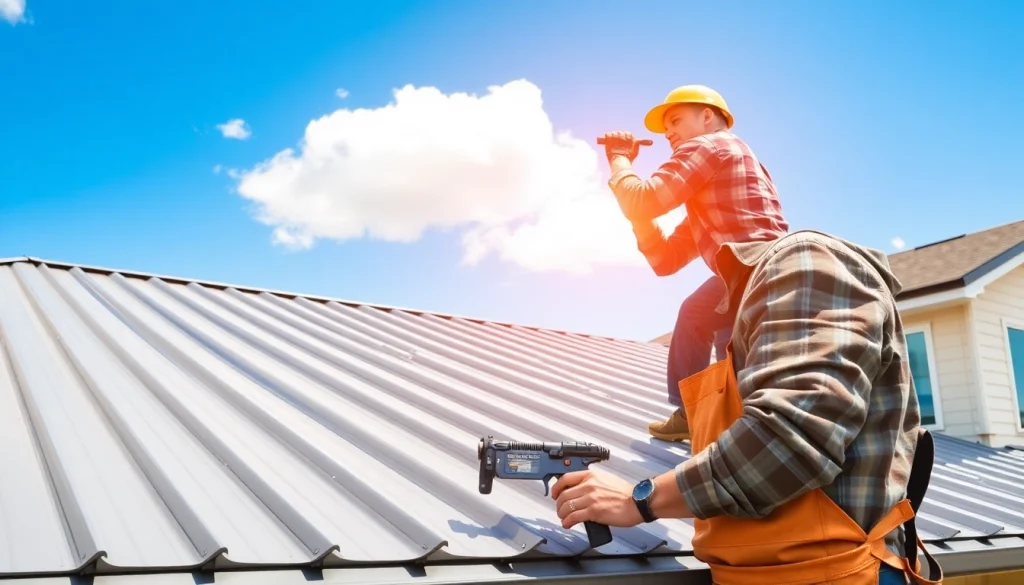

Introduction to Metal Roofing Vancouver
In the ever-diversifying landscape of building materials, metal roofing vancouver has emerged as a popular choice for homeowners and commercial property managers alike. This article delves into the ins and outs of metal roofing, exploring its various types, benefits, installation processes, maintenance tips, and frequently asked questions that clarify its advantages further. Let’s embark on a journey to understand why metal roofing is not just a trend but a sustainable and practical roofing solution.
Understanding Metal Roofing
Metal roofing is characterized by its use of metal components as roofing materials, often known for durability and longevity. Styles range from standing seam and corrugated panels to tiles that mimic traditional roofing aesthetics. Many metals are utilized in roofing, including steel, aluminum, copper, and zinc, each offering unique benefits depending on environmental conditions. The adaptability of metal roofing makes it an attractive choice for diverse architectural styles.
Benefits of Metal Roofing
The advantages of metal roofing are numerous. One of the most significant benefits is its longevity; metal roofs can last upwards of 40 to 70 years depending on maintenance and climate influences. Additionally, they are incredibly resistant to weather conditions, including snow, rain, and high winds, which is particularly important for installations in Vancouver’s varied climate. Metal roofs are also energy-efficient; they reflect solar heat, which can result in lower energy bills during the summer months. Finally, metal roofing can enhance the aesthetic appeal of a building, often coming in a variety of colors and styles that can complement any design vision.
Common Misconceptions about Metal Roofing
When considering metal roofing, several misconceptions can deter homeowners from this product. One prevalent myth is that metal roofs are excessively noisy during rainstorms. In reality, when properly insulated, metal roofs can be just as quiet as other materials. Another misconception is that metal roofs are prone to rust. While it’s true that some metals rust, modern coatings effectively protect against corrosion. Lastly, many believe that metal roofs are too expensive upfront; however, considering their longevity and low maintenance costs, they often prove to be a cost-effective choice over time.
Types of Metal Roofing Materials
Steel Roofing Options
Steel is one of the most popular materials for metal roofing due to its strength, affordability, and availability. It comes in various forms; galvanized steel, which is coated in zinc to prevent rusting, is commonly used in residential applications. Another option is galvalume steel, which features a combination of zinc and aluminum for increased durability and resistance to corrosion. Both options offer a plethora of colors and styles, allowing homeowners to select a design that complements their aesthetics while providing lasting performance.
Aluminum vs. Steel: What to Choose?
Choosing between aluminum and steel for metal roofing can be challenging due to their distinct characteristics. Aluminum is lighter and resistant to corrosion, making it an ideal option for coastal areas where salty air can hasten decay. Conversely, steel is stronger and can withstand severe weather conditions better than aluminum. Cost efficiency also varies; steel is generally more affordable, while aluminum may be pricier yet offers improved longevity. Ultimately, the choice will depend on location, budget, and personal preference.
Coatings and Finishes for Longevity
The longevity of metal roofs can be significantly enhanced by utilizing coatings and finishes. A common option is a PVDF (polyvinylidene fluoride) coating, known for its ability to resist abrasion and ultraviolet damage. Another option is Kynar 500, a paint finish that provides excellent thermal performance, making it a suitable choice for energy conservation. Regular maintenance, including inspections and touchups on these coatings, can help ensure that a metal roof lasts as long as possible, retaining its appearance and functionality for years.
Installation Process for Metal Roofing Vancouver
Preparation for Installation
Before installation can begin, it is crucial to take several preparatory steps. First, assess the current roofing structure for integrity, looking for any underlying issues that should be addressed before new materials are applied. Next, measure the roof to determine the exact amount of metal roofing needed to minimize waste. It is beneficial to consult local building codes and obtain necessary permits, ensuring compliance with regulations. Finally, proper weather conditions should be taken into account since metal roofing installation is best performed in dry conditions.
Step-by-Step Installation Guide
The installation of metal roofing generally follows a specific process:
- Install underlayment: Lay down a protective layer to prevent water intrusion.
- Place the metal panels: Position the panels starting from the lower edge, working your way up to ensure proper overlap.
- Secure the panels: Use appropriate fasteners for securing each panel, ensuring they are correctly placed and adequately spaced.
- Install flashing: Flashing should be installed at all roof penetrations, edges, and valleys to prevent leaks.
- Final inspection: After installation, conduct a thorough inspection to check for any loose panels or missing fasteners.
Hiring Professional Installers
While many homeowners may attempt to install metal roofing themselves, hiring professional installers is often the best choice for ensuring quality work. Professionals not only understand the complexities of installation but can also navigate building codes and provide warranties that ensure your roof is protected. When seeking installers, verify their certifications, check references, and review past projects to ensure experienced, reliable service.
Maintenance Tips for Metal Roofing
Routine Inspections
Routine inspections are essential for maintaining the integrity of a metal roof. Homeowners should check for signs of wear, rust, and loose fasteners at least twice a year, typically in the spring and fall. Additionally, inspections after a significant storm are advised to identify any damage early and address it promptly. Catching small problems early can prevent them from becoming costly repairs later on.
Cleaning Techniques
Cleaning a metal roof involves removing debris, leaves, and dirt that can accrue over time. A gentle wash using water and mild soap is often sufficient. Homeowners should avoid using abrasive cleaning materials that can scratch the surface. For homes in areas with hard water, a specialized cleaner may be needed to combat mineral buildup. Additionally, consider rinsing the roof with a garden hose rather than using a pressure washer, as high pressure can damage the seams and coatings.
Repairing Common Issues
Despite their durability, metal roofs can sustain damage over time. Common issues include rust spots, dented panels, and loose seams. For small rust spots, use sandpaper to remove the rust, followed by a metal primer and paint. Dents typically require replacement panels, and loose seams can often be reattached by applying a high-quality sealant. In all cases, if homeowners are unsure about repairs, consulting with a professional is wise to ensure proper solutions are applied.
Frequently Asked Questions
How long does metal roofing last?
Metal roofing can last between 40 to 70 years with proper maintenance, offering excellent durability.
Is metal roofing energy-efficient?
Yes, metal roofing reflects solar heat, potentially lowering air conditioning costs during summer months.
What are the noise levels of metal roofs?
When insulated properly, metal roofs can be as quiet as traditional roofs during rain or hail.
Can metal roofing withstand severe weather?
Yes, metal roofs are highly resistant to wind, hail, and snow, making them suitable for severe climates.
Are metal roofs environmentally friendly?
Absolutely. Metal roofs are often made from recycled materials and are fully recyclable at their end life.