
Opae Ula Shrimp for Beginners and Entrepreneurs
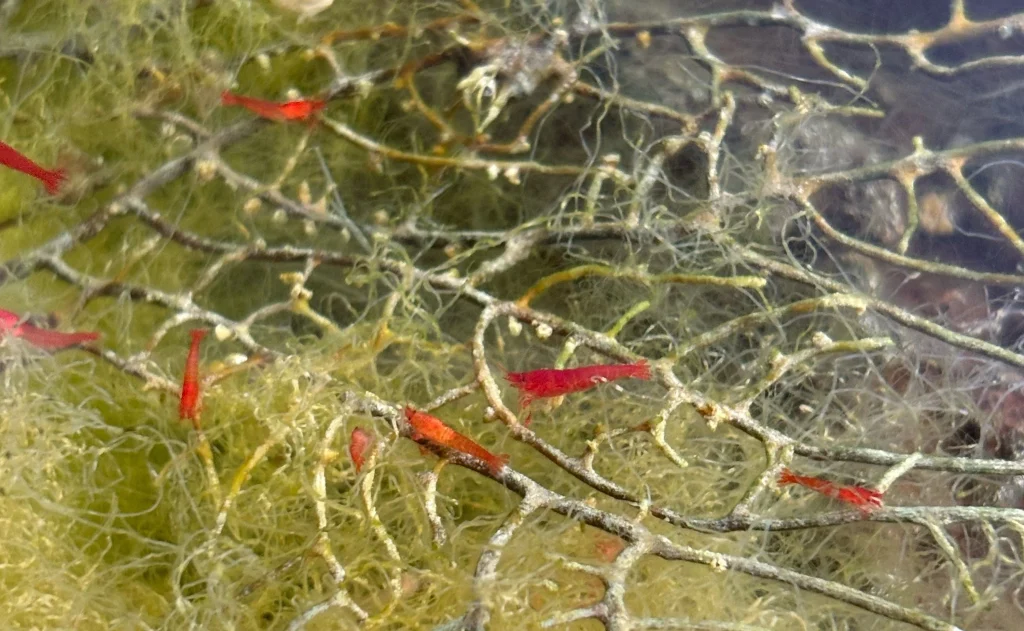
Introduction to Opae Ula
Opae ula are small, vibrant red shrimp native to Hawaii, known for their hardiness and popularity as both pets and a source of micro-aquaculture income. For beginners and entrepreneurs alike, raising Opae ula can be both enjoyable and profitable. These shrimp thrive in freshwater and brackish water environments, making them accessible for home enthusiasts and small-scale business ventures. Understanding their biology, habitat requirements, and breeding patterns is essential for anyone looking to succeed with Opae ula cultivation.
Why Choose Opae Ula?
There are several reasons why Opae ula are ideal for beginners and entrepreneurs:
- Low Maintenance – Opae ula require minimal care, surviving in a range of water conditions with little intervention.
- Fast Breeding – Their rapid reproduction makes them ideal for continuous cultivation.
- Market Demand – These shrimp are popular in the pet trade and for hobbyists, providing a steady revenue stream.
- Educational Value – Raising Opae ula can teach valuable skills in aquaculture, biology, and entrepreneurship.
By investing in Opae ula, you not only gain a fascinating pet but also a potential small business opportunity that is relatively low-cost and low-risk.
Setting Up Your Opae Ula Habitat
Creating the right environment is key to healthy Opae ula populations. The following are critical factors:
Water Conditions
Opae ula thrive in clean, slightly alkaline water with a temperature range of 70–85°F. Regularly monitoring pH and temperature is essential. Using dechlorinated water is highly recommended, as chlorine can harm these delicate shrimp.
Substrate and Decoration
Adding gravel, rocks, and live plants helps mimic the shrimp’s natural habitat. Opae ula enjoy hiding among plants and rocks, which encourages breeding and reduces stress.
Feeding
Feeding Opae ula is simple. They consume algae, biofilm, and small commercial shrimp foods. Overfeeding should be avoided to maintain water quality and prevent disease outbreaks.
Breeding Opae Ula for Beginners
Breeding Opae ula is straightforward and rewarding. They reproduce rapidly, with females carrying eggs under their bodies until hatching. Providing a mix of hiding spaces and consistent feeding encourages successful breeding cycles.
Lifecycle of Opae Ula
Understanding the lifecycle helps entrepreneurs plan harvests and maintain healthy populations. Opae ula hatch as tiny larvae and grow into adult shrimp in just a few weeks. This quick growth rate allows for multiple generations per year, increasing potential profits for small-scale ventures.
Common Challenges and Solutions
Even though Opae ula are hardy, beginners may encounter some challenges:
- Water Quality Issues – Regular testing and partial water changes prevent ammonia buildup and pH swings.
- Overcrowding – Ensure enough space and hiding spots to avoid stress and competition.
- Predators – Keep tanks covered and separate from fish or other animals that may eat the shrimp.
By addressing these challenges early, Opae ula enthusiasts can maintain thriving populations and avoid common pitfalls.
Marketing and Selling Opae Ula
For entrepreneurs, there are several avenues for selling Opae ula:
- Local Pet Stores – Many stores are interested in stocking these hardy shrimp.
- Online Marketplaces – Platforms like Etsy or eBay allow you to reach a broader audience.
- Aquarium Clubs and Expos – Networking within the hobbyist community can create repeat customers.
Marketing tips include emphasizing the shrimp’s vibrant color, low maintenance, and breeding potential, all of which appeal to beginners and hobbyists.
Scaling Your Opae Ula Business
Once you have mastered small-scale cultivation, you can consider scaling up. Larger tanks, multiple breeding setups, and automated feeding systems help increase production. Entrepreneurs can also explore related products such as specialized shrimp food, tank accessories, or starter kits for new hobbyists interested in Opae ula.
Tips for Beginners
- Start with a small tank to learn the basics before expanding.
- Monitor water quality regularly to prevent issues.
- Provide plenty of hiding spaces to reduce stress.
- Feed a varied diet to ensure healthy growth.
- Keep detailed records of breeding cycles and population growth.
By following these simple tips, beginners can enjoy a successful and rewarding Opae ula experience while preparing for potential business opportunities.
Conclusion
Raising Opae ula offers both enjoyment and entrepreneurial potential. Their vibrant color, ease of care, and rapid reproduction make them perfect for beginners and small-scale aquaculture enthusiasts. By understanding their habitat needs, breeding habits, and market demand, anyone can cultivate a thriving Opae ula population. Whether you are looking for a fascinating hobby or a stepping stone into aquaculture business, Opae ula shrimp provide a colorful and profitable opportunity.