Understanding Light & Airy Photography
What is Light & Airy Photography?
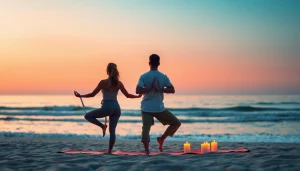
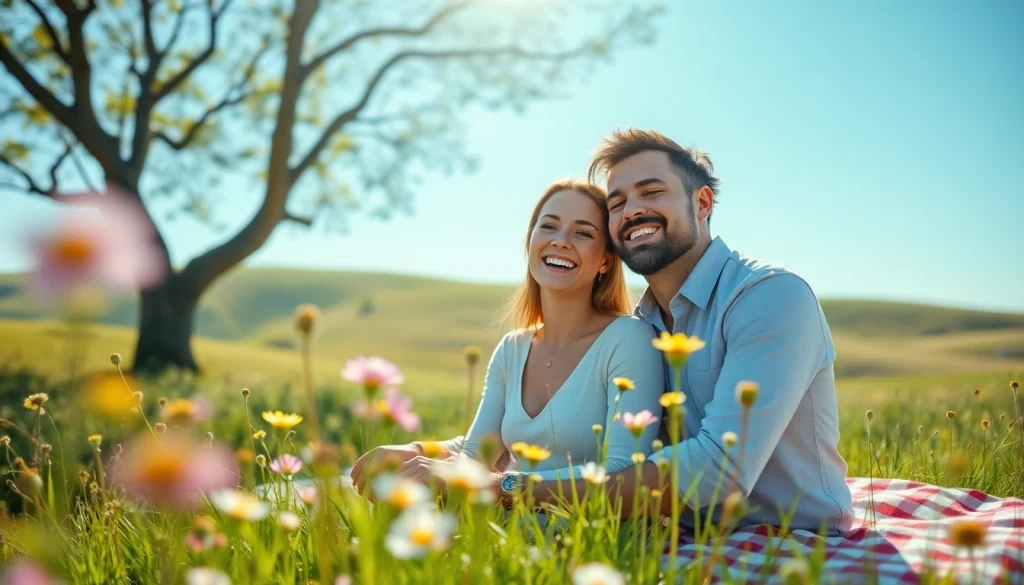
Light & airy photography is a style characterized by bright, soft images that evoke a sense of lightness and ethereality. This approach often emphasizes natural light, which enhances the romantic and serene qualities of the subject. Photographers striving for this aesthetic typically favor pastel colors, minimal clutter, and a dreamy ambiance that evokes elegance and calmness in their images. A significant aspect of achieving this look involves mastering various lighting and composition techniques, which can be particularly rewarding for capturing portraits, weddings, and lifestyle images. Techniques and styles that contribute to Light & airy photography focus on the harmony between the subject and the environment, leading to captivating visuals that resonate with viewers.
Key Characteristics of Light & Airy Photography
Several attributes define light & airy photography. First, the exposure is typically bright, portraying highlights and soft shadows, which together create a harmonious balance. Secondly, the use of natural light is crucial; whether shooting during golden hour or on overcast days, natural lighting adds softness and reduces harsh contrasts. Thirdly, a color palette filled with light pastels, whites, and soft hues enhances the overall airy feel, while minimal backgrounds ensure the focus remains on the subject. Lastly, depth of field is often shallow, highlighting the subject against a softly blurred background, achieving a dreamy effect. Mastering these characteristics will allow photographers to capture the lightness and brightness inherent to this style.
The Importance of Natural Light
Using natural light is paramount in light & airy photography. It enriches images with a softness often unattainable using artificial lighting. Indoor sessions benefit from large windows, allowing diffused sunlight to illuminate the subject while creating catchlights in the eyes. For outdoor photography, consider shooting during the golden hour, as the warm light bounces gently off surfaces, producing flattering skin tones and multidimensional images. Utilizing natural light not only enhances the aesthetic appeal of photographs but also fosters a more relaxed atmosphere for subjects, leading to more genuine expressions. To perfect this approach, understanding the position and quality of light throughout the day is essential. Knowing how to adapt to different lighting conditions will significantly refine your photography skills.
Essential Techniques for Light & Airy Photography
Choosing the Right Location
Selecting the ideal location for light & airy photography is critical to achieving the desired aesthetic. Opt for environments characterized by ample natural light, reflective surfaces, and subtle colors that complement your subject. Outdoor settings such as parks, meadows, beaches, and flower fields are excellent choices, offering wide-open spaces filled with soft light. Indoors, consider locations with large windows or open layouts where light floods in, creating a sense of airiness. Pay attention to the backdrop to ensure it aligns with the airy feel, using neutral or pastel tones to maintain focus on the subject. Thorough location scouting, especially during varied times of day, can provide insights into how the light interacts with the space, allowing for better planning of the shoot.
Manipulating Natural Light
While natural light is essential, photographers must learn to manipulate it effectively to enhance their images. Softening harsh sunlight is often necessary, especially during midday shoots. This can be achieved through the use of reflectors, diffusers, and even positioning subjects in shaded areas. Golden hour—an hour after sunrise and before sunset—provides rich, warm light that adds a magical glow to your subjects. Moreover, experimenting with angles, such as side or backlighting, can produce a dynamic range of textures and depth. Additionally, using manual settings on your camera allows you to control exposure compensation, ensuring highlights don’t get washed out while retaining pleasing shadows that contribute to the airy feel of your photos.
Camera Settings for Optimal Results
To achieve the signature look of light & airy photography, specific camera settings must be utilized. Start with a wide aperture (f/1.8 to f/4) to create a shallow depth of field, allowing the background to blur while keeping the subject sharp. This enhances focus on your subject and contributes to an ethereal ambiance. Furthermore, maintain a higher ISO setting to compensate for lower light levels without compromising image quality, particularly in dim environments. Set your shutter speed fast enough to counter motion blur, especially when working with dynamic subjects. Regularly reviewing and adjusting these settings based on the environment and lighting conditions will empower you to create stunning, captivating images within the light & airy style.
Post-Processing for Light & Airy Effects
Editing Tips and Tricks
Post-processing plays a vital role in achieving the light & airy aesthetic. Begin with software like Adobe Lightroom or Photoshop, where you can adjust exposure levels, highlights, and shadows to create a brighter image overall. Increasing brightness and lowering contrast will help to diffuse the quality of your photo while maintaining sharpness in the subject. Apply a subtle vignette effect to draw the viewer’s eye toward the center of the image, further enhancing its ethereal quality. One essential technique includes selectively lightening the whites and highlights, giving a soft, glowing effect that is quintessential to this style. Remember that subtlety is key; over-editing might detract from the natural look you’re aiming to achieve.
Color Grading Techniques
Color grading is fundamental to ensuring that your light & airy photographs maintain consistent hues and tones. Utilize tools in your editing software to adjust the temperature and tint of your images, favoring warmer tones that evoke warmth and happiness. Soft pastel colors should dominate—greens should be muted, and pinks and blues should be softened to avoid overpowering the overall composition. Calibration of saturation and vibrance helps to maintain a balanced color palette that complements the lightness of the scene. Learning to create and apply custom presets can significantly streamline your editing process, allowing you to achieve a cohesive look across a series of images.
Maintaining Natural Aesthetics
While editing is essential to achieving the light & airy look, ensuring that your images still appear natural is crucial. Strive to keep skin tones true-to-life, reducing the likelihood of overly processed images that could alienate viewers. When applying clarity or texture adjustments, use them sparingly to avoid losing the softness that defines the style. Avoid heavy filters that mask the genuine moment captured. Instead, focus on enhancing the beauty of the scene through subtle enhancements that respect the integrity of the natural light. A critical aspect of this is to continually evaluate your editing process critically, asking whether the final image aligns with your vision for a light and airy capture.
Common Challenges in Light & Airy Photography
Dealing with Harsh Sunlight
Harsh sunlight can pose a significant challenge in achieving the light & airy look. Strong sunlight often leads to harsh shadows and overexposed highlights, which counteracts the desired softness. To manage this, consider shooting during early morning or late afternoon when the sun is lower in the sky, casting a soft, warm glow. Alternatively, seek shaded areas, or employ modifiers such as reflectors and diffusers to soften the light. If outdoors, look for overcast day options where the clouds act as natural diffusers, creating gentle and even light levels.
Avoiding Overexposure
While brighter images are fundamental to the light & airy style, avoiding overexposure is critical to maintaining detail in highlights. Cameras may struggle in brightly lit conditions, so adjusting settings is essential. Start with lower ISO settings in bright conditions and utilize exposure compensation to ensure that the bright areas of your images retain detail. Regularly review your histogram after each take to verify that you maintain an appropriate exposure range with no clipping on either end. Additionally, employing a lens hood during outdoor sessions helps prevent lens flare, which may lead to elements in your image being washed out.
Creating Visual Balance
While light & airy photography typically emphasizes bright, airy elements, it is crucial to maintain visual balance in compositions. A shift towards overly bright backgrounds can detract from the principal subject if not managed correctly. Using the rule of thirds can help distribute visual weight evenly across your image. Incorporating negative space allows for your subjects to breathe within the frame, enhancing the overall aesthetic. Experiment with foreground elements that contribute to the image’s story without overwhelming focal subjects. Always be mindful of spacing, and strive for balance to uphold the harmonious feel quintessential to the light & airy style.
Showcasing Your Light & Airy Photography
Building an Online Portfolio
Creating a visually appealing online portfolio is vital for photographers specializing in light & airy imagery. Consider curating a selection of your best work that showcases versatility within the style, emphasizing different subjects, settings, and emotions. Utilize a clean, minimalist design that aligns with the aesthetic, typically favoring light backgrounds that enhance your imagery. Standardize image sizes and layout to maintain a consistent flow and prevent distractions. Incorporating client testimonials and contextual narratives related to shoots can further engage potential clients and create connections. Finally, ensure that your portfolio is mobile-friendly, as an increasing number of viewers access content via their smartphones.
Effective Marketing Strategies
Marketing your light & airy photography is paramount in attracting potential clients and building a brand. Social media platforms such as Instagram and Pinterest serve as powerful visual marketing tools. Share behind-the-scenes content, engage with followers through polls or questions, and leverage hashtags that encapsulate your style. Collaborating with brands, influencers, or fellow creatives can expand your audience reach. Furthermore, consider targeted online ads and maintaining an active blog that shares insights about light & airy techniques, event highlights, or photography tips, further establishing your authority in the field.
Engaging with Your Audience
Connecting with your audience fosters loyalty and trust. Engage with them through storytelling, sharing the emotions behind your work, and inviting feedback. Scheduled Q&A sessions either on social media or via your website can invite interest and deepen connections, encouraging followers to share their stories in parallel. Newsletters can keep your audience informed about upcoming sessions, photography tips, or special promotions that you’re offering. Lastly, showcasing your work at local exhibitions or community events presents opportunities to form direct relationships and foster a personal connection to your work.
FAQs
What camera settings are best for light & airy photography?
Use a wide aperture (f/1.8 to f/4) for a soft background and shoot with natural light for optimal results.
How do I choose the right location for light & airy photos?
Look for bright, open spaces with natural light like meadows, parks, or beaches, which enhance the light & airy feel.
What editing software is recommended for light & airy photography?
Popular choices include Adobe Lightroom and Photoshop, as they offer powerful tools for achieving that bright, soft look.
Can I achieve light & airy photography indoors?
Yes, use large windows and sheer curtains to diffuse light, creating a soft ambiance perfect for indoor light & airy photography.
What types of events are best suited for light & airy photography?
Light & airy photography works well for weddings, newborn sessions, and outdoor family portraits, capturing joyful moments beautifully.