
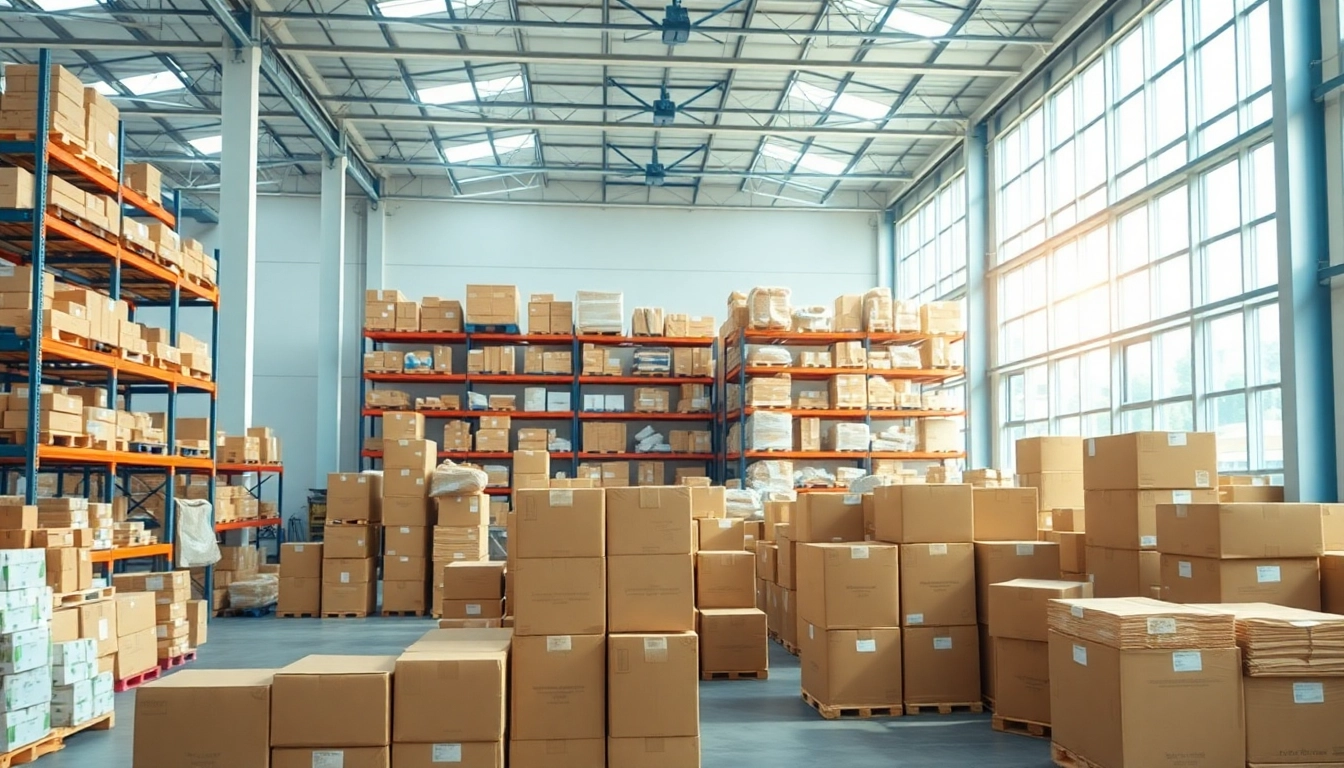

Understanding Warehouse Basics
Warehouses play a pivotal role in supply chain management, serving as storage hubs for businesses of all sizes. Whether you are running a small startup or a large corporation, finding the right warehouse near me can significantly influence your operational efficiency. Understanding the different types of warehouses, their key features, and common layouts is essential for making informed decisions.
Types of Warehouses
Warehouses come in various shapes and sizes, each designed to serve specific functions within the supply chain. Here are the primary types:
- Public Warehouses: These are owned by third-party companies and are available for rent. They are ideal for businesses that require flexibility in storage space.
- Private Warehouses: Owned and operated by retailers or manufacturers, these warehouses provide facilities tailored to the specific needs of the business, often offering greater control over inventory and operations.
- Distribution Centers: Designed for the rapid movement of goods, distribution centers focus on service and speed, with advanced logistics operations.
- Climate-Controlled Warehouses: Essential for items that are sensitive to temperature and humidity, like pharmaceuticals or certain food products. These warehouses maintain specific environmental conditions.
- Smart Warehouses: Enhanced by technology such as robotics and the Internet of Things (IoT), smart warehouses optimize inventory management and operational efficiency through automation.
Key Features to Look For
When evaluating potential warehouse spaces, certain features can significantly impact the functionality and efficiency of your operations:
- Size and Layout: Ensure the warehouse has sufficient square footage and a layout that supports your workflow needs.
- Docking Facilities: Adequate loading dock space is crucial for efficient loading and unloading of goods.
- Security Systems: Look for warehouses equipped with advanced security features such as surveillance cameras and alarms to protect your inventory.
- Accessibility: Consider a location that is easily accessible for trucks and delivery vehicles, which will minimize transportation delays.
- Technology Infrastructure: Facilities with modern technological capabilities can enhance inventory management and tracking.
Common Warehouse Layouts
A warehouse layout can determine the efficiency of your operations. Here are some common layouts:
- Block Warehouse: Items are stored in blocks, which allows for high-density storage.
- Flow-through Warehouse: This layout is used for speedy processing, with products moving straight from the receiving area to shipping, ideal for perishable goods.
- Dedicated Storage Warehouse: Each product has a designated storage area, making it easier to find and manage items.
- Random Storage Warehouse: Products are stored randomly, maximizing the use of space and flexibility.
How to Search for a Warehouse Near Me
Finding the ideal warehouse involves a strategic approach tailored to your specific needs and operational requirements. Here are effective methods to locate the best options:
Using Online Tools
Today, online tools and platforms can streamline your search for a warehouse near me. Leverage websites that specialize in warehousing listings, real estate, and commercial space to find suitable options in your area.
Consulting Local Business Directories
Business directories often list warehouses available for rent or lease. Local chambers of commerce, industry associations, and online directories can provide valuable contacts and insights.
Networking with Industry Professionals
Networking within your industry can uncover hidden opportunities. Attend trade shows, conferences, and local business events to meet potential partners and suppliers who may offer recommendations on warehouse facilities.
Evaluating Warehouse Locations
Once you have a list of potential warehouses, evaluating their locations based on several factors is crucial to ensuring they meet your business needs.
Accessibility and Transport Links
Evaluate how easy it is for suppliers and customers to reach the warehouse. Proximity to major highways, ports, and airports can reduce transportation costs and improve delivery times.
Cost Considerations
Cost is often a primary concern in selecting a warehouse. Analyze not only the rental price but also additional costs like utilities, insurance, and maintenance. Exploring long-term versus short-term leases can provide further financial insights.
Safety and Security Features
Safety standards must be a top priority when evaluating warehouse locations. Research the security measures in place, such as surveillance systems, fire alarms, and emergency exits. Understanding the local crime rate can also enhance safety considerations.
Best Practices for Warehouse Utilization
Maximizing warehouse efficiency is essential for streamlining operations and reducing costs. Here are several best practices to implement:
Inventory Management Strategies
Effective inventory management can reduce excess stock and increase turnover rates. Applying techniques like Just-in-Time (JIT) inventory, ABC analysis, and regular audits can optimize inventory levels.
Technology in Warehousing
Integrating technology into warehouse operations can enhance efficiency. Consider utilizing Warehouse Management Systems (WMS) to streamline processes, improve accuracy in order fulfillment, and facilitate real-time tracking of inventory.
Regular Maintenance Tips
Performing regular maintenance checks can prolong the lifespan of equipment and ensure a safe working environment. Establish a routine schedule for inspections and repairs, and train staff on best practices for handling equipment safely.
Frequently Asked Questions
What factors influence warehouse pricing?
Warehouse pricing is influenced by location, size, lease term, and amenities provided. Market demand can also drive fluctuations in pricing.
How can I ensure the warehouse meets safety standards?
Check for compliance certificates, conduct regular safety audits, and verify that the warehouse has adequate security and emergency systems in place.
What are the benefits of renting vs. owning a warehouse?
Renting offers flexibility and lower upfront costs, while owning can provide long-term investment benefits and full control over the property.
How do I choose the right warehouse size?
Consider your current inventory needs and future growth projections. It’s essential to balance between having enough space and avoiding excess capacity.
What inventory software integrates with my warehouse operations?
Many inventory management systems, such as ERP software, can integrate seamlessly with warehousing operations for efficient tracking and reporting.