
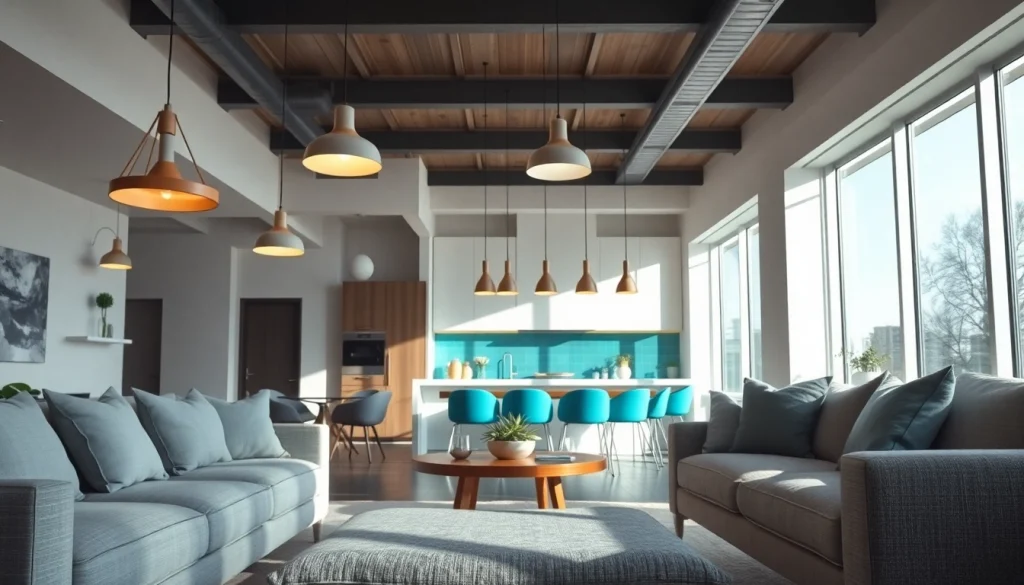
Understanding Modern Lighting
Lighting can significantly affect the look and feel of a space, which is why it holds a crucial role in interior design. Whether you’re remodeling your home or simply looking to enhance certain areas, understanding modern lighting is key. To elevate your decor, you can Shop ModernLighting, which offers a wide array of contemporary options tailored to various aesthetics and needs.
The Importance of Stylish Lighting
Stylish lighting does more than simply illuminate; it also serves as a focal point that can define the mood and character of a room. The right lighting can accentuate architectural features, highlight artworks, and create a welcoming atmosphere. It complements the overall design theme, be it minimalist, industrial, or eclectic. As such, lighting should not be an afterthought but an integral part of your design strategy.
Trending Styles in Modern Lighting
Modern lighting encompasses a variety of styles that cater to different preferences and aesthetics. Here are some trends that are currently popular:
- Industrial: Characterized by raw materials, exposed bulbs, and metallic finishes, this style adds an urban edge to spaces.
- Scandinavian: Focused on simplicity and functionality, Scandinavian lighting often features soft lines and neutral tones, creating a cozy ambiance.
- Mid-Century Modern: This style emphasizes organic shapes, vibrant colors, and bold designs that stand out and become conversation pieces.
- Minimalist: Emphasizing clean lines and a lack of clutter, minimalist lighting enhances the serene nature of spaces without overloading them visually.
How Lighting Influences Ambiance
The interplay of light and shadow profoundly impacts ambiance. Bright, white light can create a high-energy atmosphere conducive to work or activity, while soft, warm light evokes intimacy and relaxation, perfect for dining environments or entertainment areas. Understanding the role of color temperature, diffusion, and positioning will allow homeowners to tailor their spaces to encourage desired moods and activities.
Choosing the Right Fixtures
Selecting appropriate lighting fixtures is essential for achieving both functionality and aesthetic appeal. Factors such as room size, ceiling height, and existing decor should influence your choices.
Selecting Based on Functionality
When choosing fixtures, consider the specific functions required in each space. For example, task lighting is ideal for areas where focused light is necessary, such as kitchens or offices, while ambient lighting can create a warm glow for lounging spaces. Additionally, accent lighting can draw attention to particular features, such as artwork or architectural details.
Material and Finish Considerations
The materials and finishes of lighting fixtures should complement the room’s overall style. Metal finishes, such as brass, chrome, or matte black, can add a modern touch or contrast with classic designs. Glass and crystal elements can introduce a sense of elegance and lightness, enhancing the effect of light diffusion. Always ensure that the chosen materials align with the rest of your decor.
Balancing Aesthetics and Practicality
Beautiful lighting is essential, but functionality cannot be overlooked. Look for fixtures that provide adequate light output while still complementing the space’s aesthetic. Dimmer switches are an excellent way to achieve this balance, allowing you to adjust brightness levels according to time of day or the mood you want to create.
Installation Tips for Modern Lighting
Proper installation enhances the performance and safety of your lighting. Understanding the basics can empower you to install fixtures confidently, whether you opt for a DIY approach or hire a professional.
DIY vs. Professional Installation
While some lighting fixtures can be easily installed by homeowners, others may require professional help, particularly when wiring or building codes are involved. If you are comfortable following electrical guidelines and possess basic tools, simpler fixtures can be a rewarding DIY project. However, investing in professional installation for complex systems ensures safety and compliance.
Essential Tools for Installation
Essential tools for installation may include a screwdriver, tape measure, wire strippers, and a voltage tester. Always ensure that you have the appropriate tools before beginning the project to prevent delays. If you are unsure about electrical work, consult an electrician to avoid hazards.
Safety Measures When Installing
Safety should be your top priority during installation. Always turn off the power at the circuit breaker before beginning any work. Use insulated tools, and wear rubber-soled shoes to prevent electrical shocks. If you’re unsure about any step, seek help from a licensed electrician.
Creating Harmonious Spaces
Lighting can create harmony within a space, and understanding how to blend various light sources effectively is foundational to good design.
Mixing Light Sources Effectively
Effective lighting design often involves a combination of ambient, task, and accent lighting. Ambient lighting serves as the overall light source, while task lighting addresses specific needs in work areas. Accent lighting highlights particular features in a room. Blending these layers creates a comprehensive lighting plan that enhances functionality and aesthetics.
Layering Light for Function and Mood
Layering light can also create flexibility in a space. For instance, using dimmable ceiling fixtures with supplementary table lamps allows for versatility in ambiance and functionality. During entertaining, brighter lighting may be suitable, while a more subdued tone can enhance the evening atmosphere.
Common Mistakes to Avoid
Common lighting mistakes include choosing a single light source for a room, overlooking the size of fixtures for the space, and neglecting to consider the light’s color temperature. A well-lit room requires the right mix of light, placement, and intensity. Evaluate each area thoughtfully to avoid these common pitfalls.
FAQs about Modern Lighting
What is modern lighting design?
Modern lighting design emphasizes simplicity, functionality, and artistic expression, focusing on clean lines and contemporary aesthetics. It often integrates advanced technology, including smart features.
How do I determine the right light fixture size?
To determine fixture size, consider the scale of the room, ceiling height, and the intended purpose of the fixture. Generally, measure the room’s dimensions and apply guidelines for optimal fixture proportions.
What types of bulbs are best for modern lighting?
LED bulbs are ideal for modern lighting due to their energy efficiency, longevity, and ability to produce various color temperatures, allowing flexibility in mood and ambiance.
Can modern lighting improve home value?
Yes, modern lighting can enhance the aesthetic appeal and functionality of your home, making it more attractive to potential buyers and potentially leading to a higher resale value.
How can I incorporate smart lighting in my design?
Incorporating smart lighting involves selecting compatible fixtures and bulbs that can be controlled remotely via apps or voice commands, allowing for customizable lighting experiences that enhance convenience and energy efficiency.