
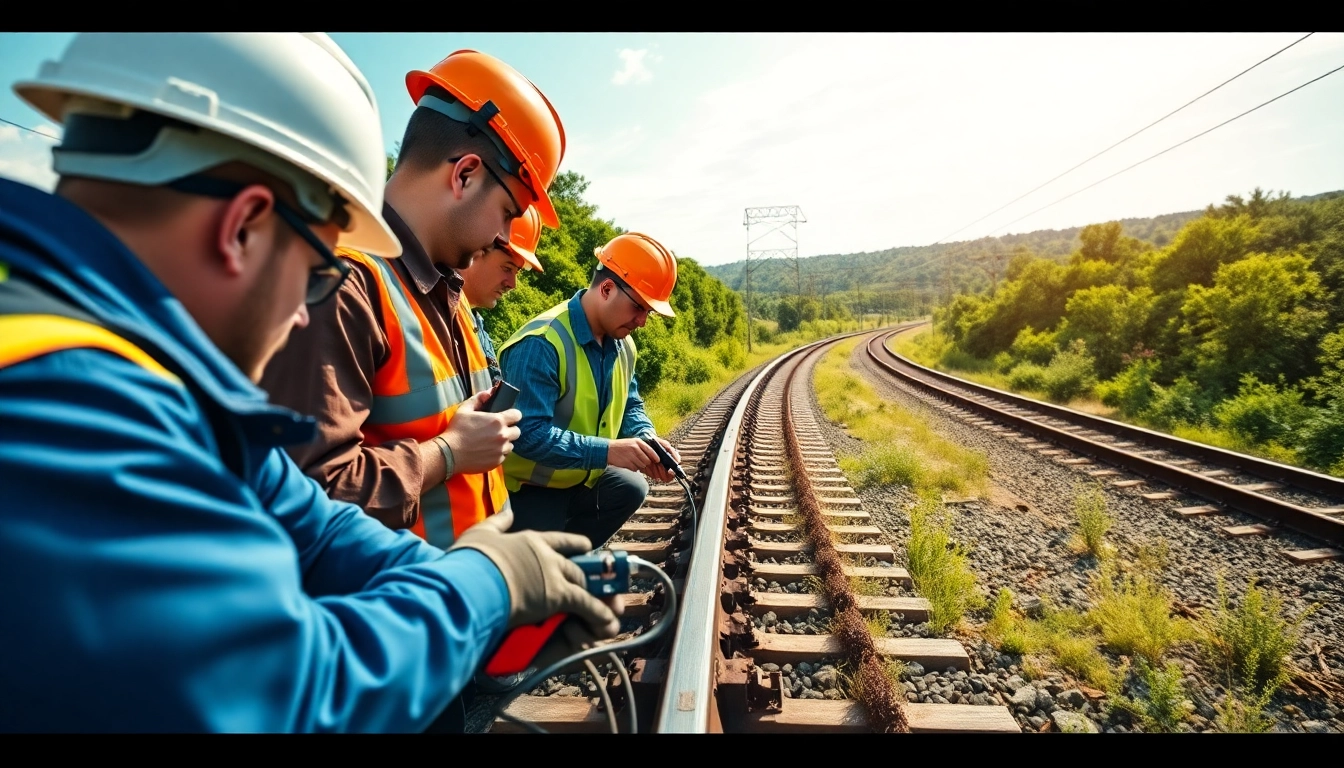

The Fundamentals of Railroad Engineering
Defining Railroad Engineering
Railroad Engineering is a specialized field that combines the principles of civil engineering, mechanical engineering, and electrical engineering to design, construct, and maintain rail systems. It involves a thorough understanding of various components, including track, structures, signaling systems, and rolling stock. Professionals in this field ensure the efficient transportation of goods and passengers across extensive rail networks. With the rising importance of sustainable transportation, Railroad Engineering has become pivotal in enhancing the efficiency and safety of rail systems worldwide.
Key Components of Railroad Systems
Railroad systems consist of several critical elements, each serving a unique function:
- Track Structure: Comprising rails, ties (sleepers), ballast, and subgrade, the track structure supports and guides trains while minimizing wear and tear.
- Rolling Stock: This includes all vehicles that move on the tracks, such as locomotives and freight cars, designed for specific loads and speeds.
- Signaling Systems: These ensure safe operations by controlling train movements through signals, switches, and communications technology.
- Stations and Terminals: These facilities are designed for passenger boarding, ticketing, and cargo loading, playing a crucial role in the operational flow.
Regulatory Standards and Compliance
Railroad engineering is subject to stringent regulatory standards set by national and regional authorities. Compliance ensures safety, efficiency, and sustainability in railroad operations. These regulations cover various aspects such as:
- Track safety and maintenance
- Vehicle specifications and performance criteria
- Emergency preparedness and disaster recovery plans
- Environmental impact assessments
Innovative Techniques in Railroad Engineering
Modern Track Design Practices
As technologies evolve, so does track design. Modern practices leverage computer-aided design (CAD) and geographic information systems (GIS) to create more efficient layouts. Key advancements in track design include:
- Tight curvature designs: These help improve the speed of trains while minimizing land usage.
- Continuous welded rail (CWR): This technique reduces the number of joints on the track, improving ride quality and reducing maintenance costs.
Advanced Materials and Technologies
Innovative materials contribute significantly to the durability and efficiency of railroad engineering. High-strength steel for rail and advanced composite materials for ties are gaining traction. Additionally, smart materials that respond to environmental changes are being explored for future applications.
Utilizing Data Analytics for Infrastructure
The integration of data analytics in railroad engineering facilitates predictive maintenance and real-time monitoring of systems. Through sensors and IoT technologies, engineers can:
- Monitor track conditions continuously
- Analyze wear patterns on rolling stock
- Optimize scheduling based on real-time data
Safety Considerations and Protocols
Risk Management in Railroad Engineering
Risk management is a vital aspect of railroad engineering. It involves identifying potential hazards, assessing their impacts, and implementing measures to mitigate risks. Key strategies include:
- Regular safety audits and inspections
- Investing in advanced signaling and protection systems
- Implementing redundancy in critical systems
Safety Training and Certifications
To ensure a safe working environment, ongoing safety training and certification are essential for railroad engineers. Programs often cover:
- Operational safety procedures
- Emergency first aid and response
- Handling hazardous materials
Emergency Response Strategies
Effective emergency response strategies can minimize casualties and property damage. These strategies typically involve:
- Well-defined response protocols for different types of incidents
- Coordination with local emergency services and agencies
- Regular drills and simulations to ensure preparedness
Environmental Impact of Railroad Engineering
Sustainability in Design and Operation
Railroad engineering plays a key role in promoting sustainable infrastructure. Implementing green practices includes:
- Utilizing recycled materials in construction
- Designing energy-efficient systems through regenerative braking
- Minimizing land disruption with elevated tracks and tunnels
Mitigating Ecological Footprint
Engineers must address the ecological impacts of railways. Strategies to mitigate these effects include:
- Conducting wildlife impact studies to preserve habitats
- Implementing noise reduction technologies
- Creating vegetation buffers to enhance local biodiversity
Community Engagement and Benefits
Engaging with local communities is crucial for project acceptance and success. Benefits can include:
- Job creation during construction and operation
- Improved local economies through increased accessibility
- Public forums to gather feedback and address concerns
The Future of Railroad Engineering
Trends and Innovations on the Horizon
The future of railroad engineering looks promising, with trends such as:
- Increased automation of train operations
- Adoption of high-speed rail systems
- Utilization of alternative energy sources
Integrating Technology in Railroad Systems
Technology is set to revolutionize railroad engineering. Innovations like predictive maintenance tools and advanced signaling systems enhance safety and streamline operations. Adopting AI and machine learning will further improve efficiency and reliability.
Preparing the Workforce for Future Challenges
As railroad engineering evolves, preparing the workforce is crucial. Educational programs should focus on:
- STEM fields to promote technical expertise
- Continuous professional development in new technologies
- Cross-disciplinary training to enhance collaboration
Frequently Asked Questions
1. What is the primary focus of Railroad Engineering?
The primary focus of Railroad Engineering is designing, constructing, and maintaining rail systems to ensure safe and efficient transportation of goods and passengers.
2. How do modern materials impact track construction?
Modern materials improve track durability, reduce maintenance costs, and enhance performance, leading to a longer lifespan for rail infrastructure.
3. Why is safety training important in railroad engineering?
Safety training ensures that railway professionals are prepared to handle operational risks, thus minimizing accidents and enhancing overall safety in operations.
4. What role does technology play in the future of Railroad Engineering?
Technology enhances safety, efficiency, and reliability of railroad systems through automation, predictive maintenance, and advanced data analytics.
5. How can communities benefit from railroad projects?
Communities benefit from improved transportation access, job creation, and potential economic growth due to enhanced rail connectivity.