
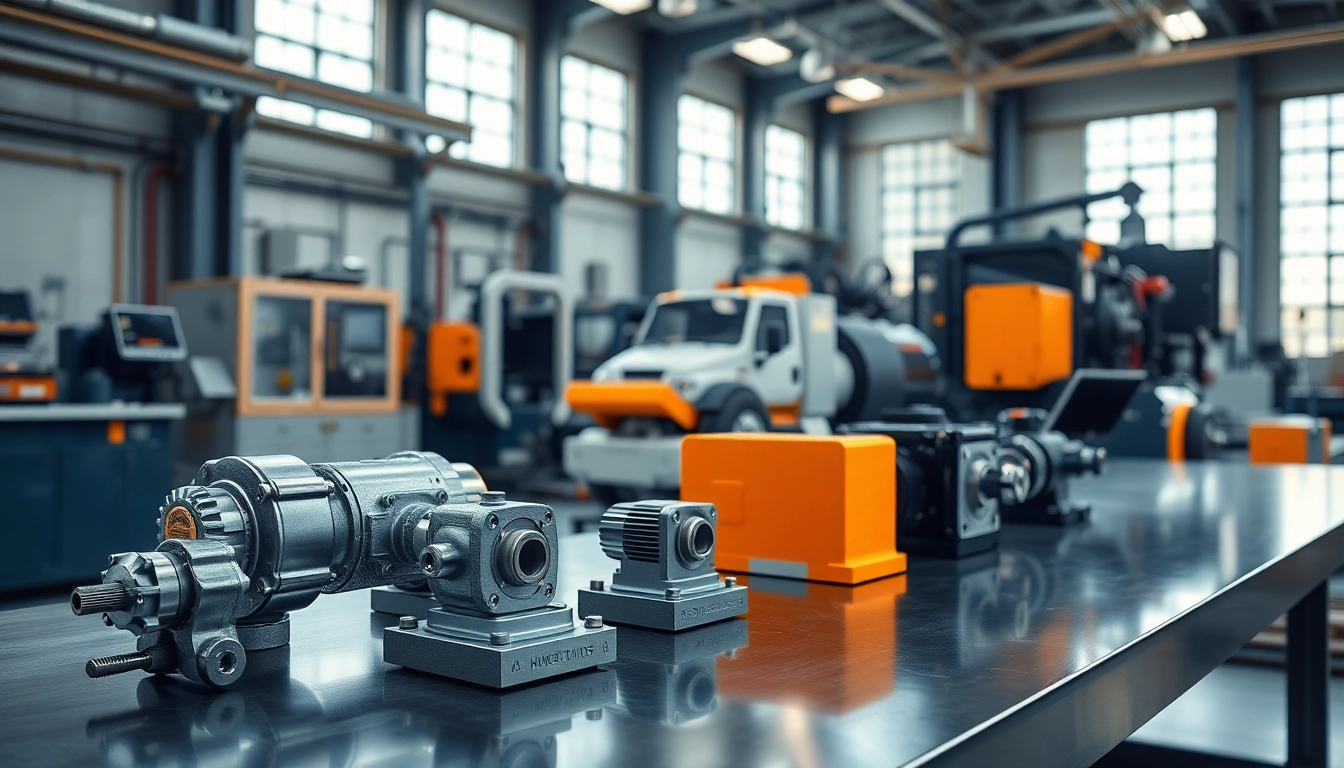

Understanding Custom Hydraulic Equipment
What is Custom Hydraulic Equipment?
Custom hydraulic equipment refers to hydraulic systems or components tailored to meet the specific requirements of various applications. Unlike standard hydraulic solutions, custom designs offer enhanced performance and efficiency by addressing unique operational needs. These systems are fabricated using advanced engineering practices, ensuring that each piece operates optimally within its intended environment. Custom hydraulic equipment can range from bespoke hydraulic cylinders to complete hydraulic systems designed for specialized industries.
In many scenarios, businesses require hydraulic solutions that standard equipment simply cannot provide. This customization may involve specific sizing, unique pressure ratings, or special material considerations. Such tailored solutions are crucial in maintaining operational efficiency and achieving desired results in demanding industrial environments. To explore the types of custom hydraulic equipment, one must understand the key components that contribute to their functionality.
Key Components of Custom Hydraulic Equipment
Custom hydraulic equipment generally comprises several critical components, each playing an essential role in the overall system’s performance. These components include:
- Hydraulic Cylinders: These are devices that convert hydraulic energy into mechanical force. They are designed based on the specific load requirements and stroke lengths necessary for a given application.
- Pumps: Hydraulic pumps generate flow and pressure necessary for powering hydraulic systems. The choice of pump must align with the specific demands of the custom application.
- Valves: Hydraulic valves control the flow and pressure within the system. Custom valve specifications can include flow rates, pressure settings, and specific actuation methods.
- Filters: These ensure cleanliness within the hydraulic fluid, preventing contamination that could lead to system failure. Customized filters may be required based on the fluid type and environmental conditions.
- Hoses and Fittings: Custom hoses and fittings must withstand the pressures and chemical environments typical of their applications. They must also conform to specific dimensions for optimal integration into the hydraulic circuit.
Advantages of Custom Hydraulic Equipment
The advantages of opting for custom hydraulic equipment are numerous and significant:
- Enhanced Performance: Tailored solutions are designed to meet specific operational demands, leading to superior efficiency and productivity.
- Increased Longevity: Custom equipment can be built with materials and specifications that enhance durability, thereby reducing maintenance needs and lifecycle costs.
- Better Adaptability: Custom designs allow for greater flexibility in handling varying operational conditions, ensuring optimal functioning even in challenging environments.
- Improved Safety: By addressing potential hazards during the design phase, custom hydraulic systems can significantly minimize accidents and operational risks.
- Cost-Effectiveness: Investing in custom solutions can lead to lower total costs over time through improved efficiency, reduced downtime, and minimized maintenance.
Applications of Custom Hydraulic Equipment
Industries Utilizing Custom Hydraulic Equipment
Various industries rely on custom hydraulic equipment to meet their unique operational needs. Some of the most prominent sectors include:
- Aerospace: Custom hydraulic systems are crucial for aircraft operations, assisting with landing gear deployment, flight control surfaces, and more.
- Construction: Heavy machinery such as excavators, bulldozers, and cranes utilize hydraulic systems for lifting, digging, and material handling, necessitating custom designs for performance optimization.
- Automotive: Custom hydraulic equipment is used in automotive manufacturing for assembly lines, as well as in vehicle hydraulic systems like brakes and steering.
- Manufacturing: Many manufacturing processes involve hydraulic presses, which can be customized to achieve specific production rates and product specifications.
- Agriculture: Custom hydraulic equipment enhances the operation of agricultural machinery, improving efficiency in tasks such as planting and harvesting.
Case Studies of Effective Implementations
Custom hydraulic equipment has been deployed successfully across numerous scenarios. For instance, a major aerospace manufacturer faced challenges with a conventional hydraulic system that could not support the loads required for the testing of new aircraft components. By developing a custom hydraulic system designed for higher capacities and specialized functions, they significantly increased testing efficiency, reducing turnaround time for new aircraft models.
Another effective implementation was within the construction industry; a contractor needed a more efficient solution for operating a fleet of hydraulic excavators. By utilizing custom hydraulic systems that were optimized for the specific operating conditions and loads, they were able to improve fuel efficiency and operational speed significantly.
Future Trends in Custom Hydraulic Equipment
As technology advances, the future of custom hydraulic equipment looks promising. Here are some significant trends expected to influence the industry:
- Smart Technology Integration: The inclusion of IoT devices allows for real-time monitoring of hydraulic systems, enabling predictive maintenance and operational improvements based on data analytics.
- Increased Focus on Sustainability: The demand for eco-friendly hydraulic equipment is growing, with a focus on using biodegradable fluids and energy-efficient designs.
- Advanced Materials: The emergence of lighter and stronger materials can lead to more compact designs and enhanced durability in custom hydraulic applications.
- Modular Systems: Custom equipment that can be easily adapted or expanded will offer greater flexibility for industries needing to pivot quickly in a changing market.
- Automation: The trend towards automated operations in manufacturing will drive the demand for custom hydraulic systems that can be seamlessly integrated into automated workflows.
Choosing the Right Custom Hydraulic Equipment
Factors to Consider in Your Selection
Selecting the right custom hydraulic equipment involves careful consideration of several factors:
- Load Capacity: Determine the maximum weight and force that the hydraulic system must support, which will influence the design and components selected.
- Operating Environment: Consider factors like temperature, humidity, and potential exposure to chemicals, which can affect material selection and component design.
- Efficiency Requirements: Establish the desired operational efficiency and performance benchmarks that the hydraulic system must meet.
- Space Constraints: The physical layout of the operation area may limit the size and configuration of the hydraulic equipment.
- Budget: Evaluate the cost implications of various designs, focusing on long-term maintenance and operational efficiencies rather than just initial expenditures.
Common Misconceptions about Custom Hydraulic Equipment
Several misconceptions can lead to confusion surrounding custom hydraulic equipment:
- High Cost Equates to Higher Quality: While custom solutions can be more expensive, the pricing often reflects specific requirements rather than an outright guarantee of superior quality.
- Customization is Only for Large Projects: Businesses of all sizes can benefit from custom hydraulic solutions tailored to their specific needs.
- One Size Fits All: It’s common to assume off-the-shelf products are sufficient. However, unique operational conditions often necessitate tailored designs for optimal performance.
- All Equipment Can be Customized: Not all hydraulic applications are suited for customization, particularly in very low-cost scenarios where standard solutions suffice.
- Custom Systems are Difficult to Maintain: With the right design and planning, custom equipment can actually enhance maintenance efficiency and provide user-friendly operations.
Consulting with Experts on Custom Solutions
Engaging with hydraulic experts is paramount when considering custom hydraulic equipment. These professionals bring a wealth of knowledge, including understanding the specifications of different applications and the inherent challenges. They can assist in:
- Identifying the unique requirements of a project.
- Providing insights on the latest technology and innovations.
- Offering design recommendations tailored to the operational environment.
- Advising on material selection to enhance durability and performance.
- Conducting thorough testing to ensure system reliability.
By collaborating with experts, organizations can ensure their custom hydraulic equipment aligns with their operational goals and maximizes efficiency.
Maintenance Best Practices for Custom Hydraulic Equipment
Regular Maintenance Procedures
Implementing a routine maintenance schedule is crucial for extending the lifespan of custom hydraulic equipment. Recommended procedures include:
- Fluid Checks: Regularly inspect hydraulic fluids for contamination and levels, replacing them as necessary to ensure optimal system performance.
- Component Inspection: Examine cylinders, hoses, and fittings for any signs of wear or damage to prevent leaks and failures.
- Filter Replacement: To maintain cleanliness, hydraulic filters should be replaced according to the manufacturer’s guidelines.
- System Testing: Periodically perform system tests to check the performance of pumps, valves, and other critical components.
- Environmental Consideration: Ensure that the equipment is maintained in a suitable environment, free of excessive heat and contaminants.
Signs of Wear and Tear in Custom Hydraulic Equipment
Being proactive in identifying signs of wear and tear can prevent costly breakdowns. Key indicators include:
- Leakage: Visible fluid leaks around components indicate the need for immediate attention to prevent further damage.
- Noisy Operation: Unusual sounds from the hydraulic system can suggest mechanical issues that require intervention.
- Reduced Performance: A noticeable decrease in efficiency, such as slower operations, can signify underlying problems.
- Heating: Excessive heat generation in the hydraulic system can point to inadequate lubrication or failing components.
- Vibration: Increased vibrations during operation may indicate misalignment or imbalance, necessitating inspection.
Upgrading Components for Enhanced Performance
Upgrading components in custom hydraulic systems can significantly improve performance and longevity. Popular upgrades include:
- Higher-Performance Pumps: Replacing existing pumps with higher-capacity models can enhance flow rates and system responsiveness.
- Advanced Valves: Upgrading to electronically controlled valves can provide more precise control over hydraulic operations.
- Improved Filters: High-efficiency filters can better remove contaminants, thus prolonging system life.
- Enhanced Sealing Solutions: Utilizing superior sealing materials can help minimize leaks and improve system performance.
- Integrated Monitoring Systems: Adding sensors for real-time pressure and temperature monitoring can help with predictive maintenance.
FAQs about Custom Hydraulic Equipment
What materials are used in custom hydraulic equipment?
Common materials include steel, aluminum, and specialized alloys, selected for their strength, weight, and resistance to corrosion.
How does custom hydraulic equipment improve efficiency?
Custom hydraulic equipment enhances efficiency by optimizing system performance for specific tasks, leading to reduced operational difficulties and faster cycle times.
Can I retrofit existing systems with custom hydraulic equipment?
Yes, existing systems can often be retrofitted with custom hydraulic components to improve performance and meet evolving operational needs.
What are the common maintenance issues?
Common maintenance issues include leaks, filter blockages, overheating, and pressure drops, all of which can impact system performance.
How is custom hydraulic equipment tested for quality?
Custom hydraulic equipment undergoes rigorous testing, including pressure testing and performance evaluation, to ensure it meets specified requirements before deployment.