
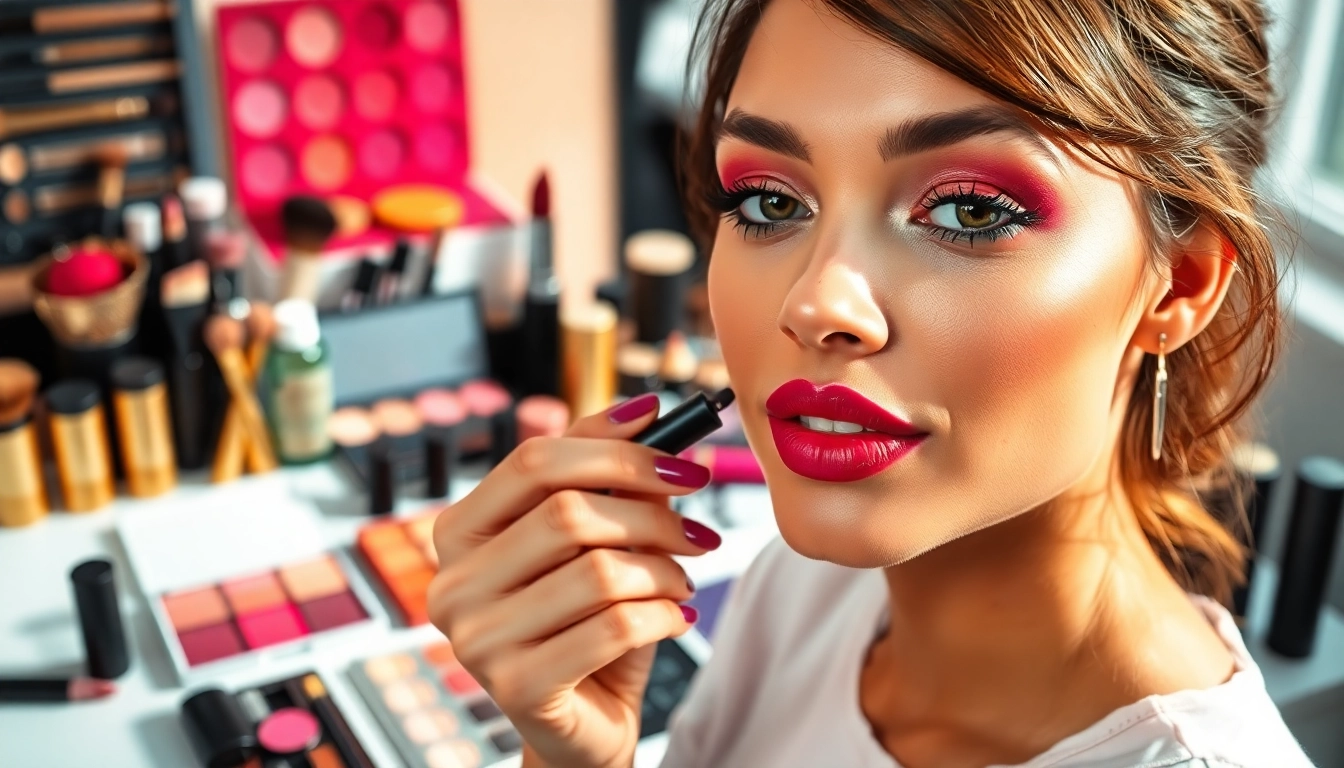

Understanding the Basics of Makeup Courses
Makeup courses are essential for anyone looking to enhance their skills or become a professional makeup artist. They cater to a variety of skill levels, from beginners wanting to learn the fundamentals to advanced learners seeking specialized techniques. Through makeup courses, students can explore numerous areas, including application, artistry, and even self-branding in the beauty industry.
What to Expect from Makeup Courses
When embarking on a journey through makeup courses, you can expect a well-structured learning environment that includes both theoretical and practical components. The courses often cover topics such as skin types, color theory, face shapes, and makeup techniques. You will also receive hands-on training, allowing you to practice what you learn under the guidance of experienced instructors. An engaging curriculum might include everything from daily wear makeup to avant-garde artistry, ensuring that you receive a comprehensive education.
Key Techniques Covered in Makeup Courses
Some of the key techniques you can expect to learn in makeup courses include:
- Foundation Application: Mastering different techniques to apply foundation for a flawless finish.
- Eye Makeup: Learning about eyeshadow blending, eyeliner application, and mascara techniques.
- Contouring and Highlighting: Understanding how to sculpt the face to enhance natural features.
- Lip Artistry: Techniques for applying various lip products, including lip liners, glosses, and matte finishes.
- Special Effects: Introduction to creating visual illusions using makeup products.
Choosing the Right Makeup Courses for You
Choosing the right makeup course can significantly impact your learning experience. Consider the following when selecting a course:
- Skill Level: Assess whether the course is designed for beginners, intermediate, or advanced students.
- Specialization: Determine if the course covers areas you are interested in, such as bridal makeup or special effects.
- Duration: Evaluate how much time you can commit to learning and whether the course fits within that timeframe.
- Certification: Check if the course offers a recognized certification upon completion to enhance your portfolio.
Intermediate Skills Development in Makeup Courses
For those who already possess fundamental makeup skills, intermediate courses are a perfect way to elevate your artistry. These courses delve deeper into advanced techniques and materials that can refine your abilities.
Advanced Techniques You Will Learn
In intermediate makeup courses, you’ll be introduced to several advanced techniques essential for a professional touch. These may include:
- Advanced Color Theory: Learning how to create color palettes that complement various skin tones and eye colors.
- Airbrush Makeup: Exploring the art of using airbrush equipment for an ultra-smooth finish.
- Bridal Techniques: Specific methods to ensure long-lasting makeup that photographs beautifully.
- High Fashion Techniques: Makeup styles that push creative boundaries, often used in editorial shoots.
Tools and Products Featured in Makeup Courses
Makeup courses often provide insights into industry-standard tools and products. You will learn how to use various brushes and makeup essentials, including:
- Brush Set: Understanding different brush types and their specific functions for application.
- Camera-Ready Products: Using cosmetics that work well under high-resolution photography lighting.
- Skin Preparation Products: Familiarizing yourself with primers and setting sprays designed to enhance wearability.
- Color Cosmetics: Experimenting with various pigments from different brands to find what suits your style.
Overcoming Common Challenges in Makeup Courses
While pursuing makeup courses, you may face challenges such as mastering certain techniques or feeling overwhelmed by product choices. Here are strategies to overcome these challenges:
- Practice Regularly: Consistent practice is key to mastering techniques.
- Seek Feedback: Don’t hesitate to ask instructors for constructive feedback on your work.
- Pair with a Buddy: Collaborate with other students to practice techniques together.
- Stay Informed: Follow beauty influencers and trends to enhance your knowledge base.
Specializations within Makeup Courses
Makeup courses offer various specializations that cater to specific interests and industries. Finding a focus can significantly enhance your career prospects and artistic skills.
Bridal and Special Occasion Makeup Courses
Bridal makeup courses focus on techniques specifically designed for weddings and special occasions. These courses emphasize:
- Timeless Styles: Learning classic bridal makeup looks that remain popular.
- Longevity Tips: Techniques for ensuring makeup stays put throughout emotionally charged events.
- Consultation Skills: How to communicate effectively with bridal clients and assess their needs.
Editorial and Fashion Makeup Courses
Courses in editorial and fashion makeup invite budding artists to explore artistic freedom and high-end techniques, which include:
- Trend Interpretation: Understanding how to recreate looks from fashion shows and magazines.
- Collaboration with Photographers: How to work effectively in a team setting during shoots.
- Experimentation: Encouraging creative experimentation with colors and unconventional materials.
Special Effects Makeup Courses
Special effects makeup courses are designed for those interested in film, television, or theater. Key topics usually covered include:
- Prosthetics Application: Techniques for applying and blending prosthetics for movies and stage.
- Body Art: Learning how to create tattoos and body art designs using safe products.
- Injury Simulation: Skills for creating realistic wounds and special effects for dramatic storytelling.
The Business Side of Makeup Courses
As you develop your skills, understanding the business aspect of makeup artistry becomes crucial. Knowing how to market yourself and manage your brand can propel your career further.
Building Your Makeup Portfolio
Your portfolio is a visual representation of your style and skills. Here’s how to build an impressive makeup portfolio:
- Diverse Styles: Showcase a range of styles from natural to editorial looks.
- High-Quality Images: Invest in professional photography to capture your work effectively.
- Client Testimonials: Include feedback from clients to add credibility.
Marketing Yourself as a Makeup Artist
Marketing is an essential component of a successful makeup career. Consider these strategies:
- Social Media Presence: Use platforms like Instagram and Pinterest to showcase your work.
- Networking: Attend beauty events to connect with fellow professionals and potential clients.
- Creative Collaborations: Partner with photographers, models, and stylists to create mutual promotional content.
Pricing Your Makeup Services
Setting the right price for your makeup services is key to attracting clients while ensuring profitability. Factors to consider include:
- Market Research: Investigate pricing standards within your local area and the industry.
- Skill Level: Be realistic about what your experience and expertise warrant in pricing.
- Client Needs: Consider offering tiered services to accommodate different budgets.
FAQ Section for Makeup Courses
What is the duration of typical makeup courses?
Typical makeup courses can range from a few days to several months, depending on the depth of the curriculum and the level of certification offered.
Do makeup courses provide certification?
Many makeup courses offer certification upon completion, which can enhance your credentials and career opportunities in the beauty industry.
Are online makeup courses as effective as in-person?
Online makeup courses can be effective, providing flexibility and accessibility; however, hands-on practice is often limited compared to in-person training.
What is the cost range for makeup courses?
The cost of makeup courses varies greatly, typically ranging from a few hundred to several thousand dollars, depending on the institution and course length.
Can I get hands-on practice in makeup courses?
Most makeup courses emphasize hands-on practice, offering students ample opportunities to apply techniques on models or themselves to gain practical experience.