
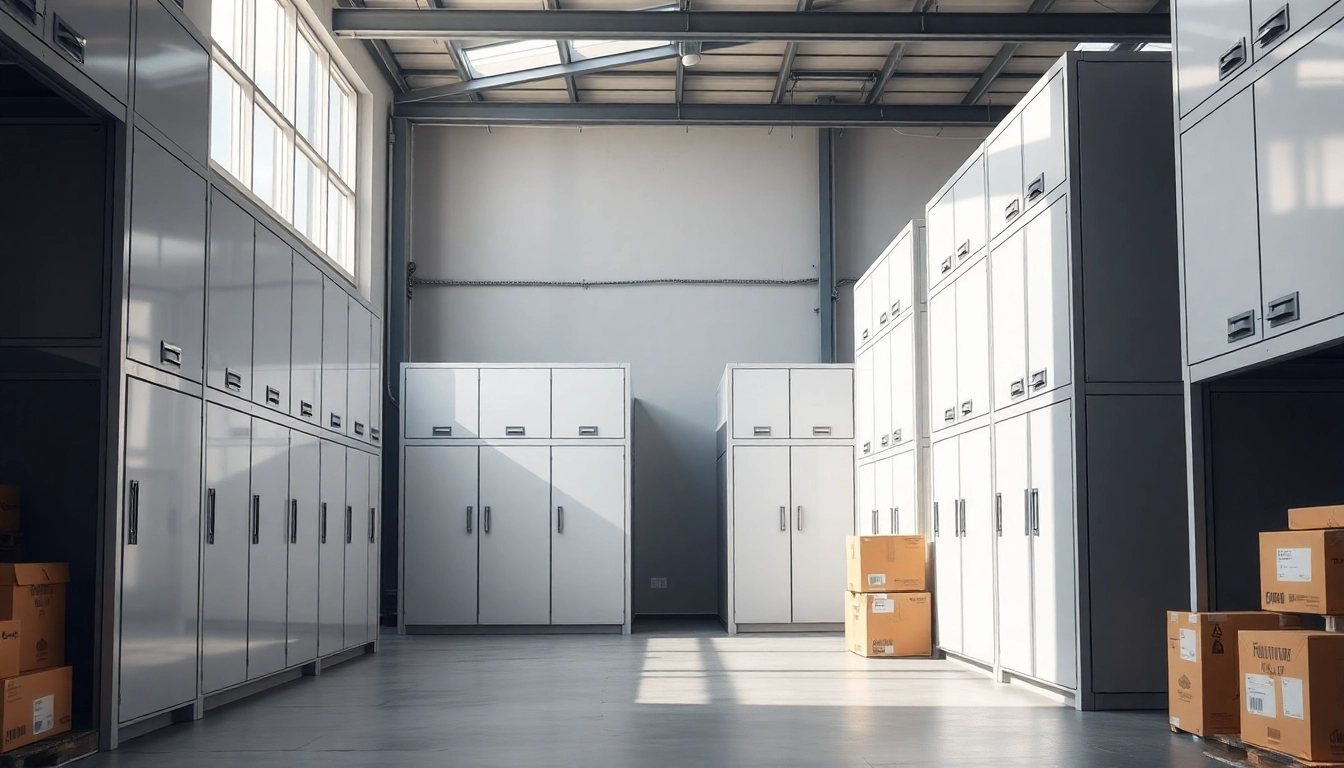

Understanding Self Storage Units
What Are Self Storage Units?
Self storage units are secure, rented spaces where individuals or businesses can store personal belongings, inventory, and equipment temporarily. The concept emerged to address growing space constraints and clutter in homes and commercial properties. Generally available in various sizes, these units offer renters autonomy and flexibility in managing their items without the need for permanent commitments. They are ideal solutions for different scenarios, whether you’re moving, renovating, or simply decluttering.
Benefits of Using Self Storage Units
There are multiple benefits associated with renting self storage units. First, they provide additional space without requiring users to relocate. Second, they come with flexible rental agreements, allowing users to rent for as little as a month or more extended periods, depending on their needs. Third, self storage can help in safeguarding valuable items from seasonal conditions and unauthorized access by providing secure locks, climate control, and surveillance systems. Lastly, they often offer 24/7 access, allowing individuals to retrieve or store items at their convenience.
Types of Self Storage Units
Self storage units can be classified into several categories based on user needs:
- Standard Units: Unfurnished units that can be used to store various items, from furniture to boxes.
- Climate-Controlled Units: Ideal for sensitive items susceptible to temperature fluctuations, such as electronics, antiques, and artwork.
- Drive-Up Units: Conveniently located for easy vehicle access, allowing for smooth loading and unloading of items.
- Business Storage Units: Perfect for businesses needing extra space for inventory, files, or equipment.
- Vehicle Storage: Specialized units designed for cars, boats, or RVs, offering protection from the elements.
Choosing the Right Self Storage Units
Factors to Consider
When choosing a self storage unit, various factors contribute to deciding what best fits your needs:
- Size: Analyze how much space you require. Measuring your items can help ensure you select an appropriately sized unit.
- Location: A nearby location can save you time and transportation costs. It’s worth checking for proximity to both your home and office.
- Accessibility: Ensure that the facility allows easy access when needed, confirming operating hours and gate codes.
Pricing and Location
Pricing for self storage units can vary significantly based on location, size, and features. It’s essential to compare prices within your area while weighing the advantages of proximity. An affordable option may not provide necessary security or convenience features. Additionally, prices may fluctuate based on seasonality and availability; thus, understanding the cost structures and potential promotions can aid in finding a bargain without compromising quality.
Security Features
Security is a critical consideration when selecting self storage units. Look for facilities that offer:
- Surveillance Cameras: Round-the-clock monitoring can help deter theft and provide peace of mind.
- Individual Locks: Personal locks on each unit ensure that only you have access to your stored items.
- Security Personnel: Some facilities employ staff to monitor activity and assist tenants.
- Well-Lit Areas: Good lighting enhances safety during nighttime access.
How to Prepare for Renting Self Storage Units
Organizing Your Items
Before renting a self storage unit, organize your items efficiently. Sorting belongings into categories—such as seasonal decor, out-of-season clothing, or infrequently used appliances—can help you determine what needs to be stored. Utilizing clear bins or labeled boxes aids in identification later, saving time during retrieval. Regularly decluttering and organizing keeps your space functional and helps prioritize what to store and what to keep at home.
Essential Packing Supplies
Having the right packing supplies ensures items remain safe and undamaged during storage. Essential supplies include:
- Sturdy boxes in various sizes for efficient packing.
- Bubble wrap or packing paper for fragile items.
- Tape and markers for sealing boxes and labeling.
- Furniture covers to protect large items from dust and scratches.
- Pallets to elevate items off the ground, allowing for better airflow and protection against moisture.
Creating an Inventory
Maintaining an inventory of stored items simplifies the process of accessing your belongings. Create a detailed list of items and their corresponding locations within the unit. Photographing valuable items can serve as additional documentation for insurance claims if necessary. Regularly updating your inventory as items go in and out of storage encourages a streamlined approach to managing what you own.
Maximizing Space in Self Storage Units
Smart Packing Techniques
Utilizing smart packing techniques can significantly enhance space efficiency in your self storage unit. Begin by packing heavier items at the bottom of boxes to prevent crushing lighter items. Fill all gaps within boxes using softer materials such as blankets or pillows to save space. For large items, disassemble where applicable, and wrap parts securely. Strategic packing not only maximizes space but also minimizes the risk of damage.
Utilizing Vertical Space
When storing items, take advantage of vertical space. Instead of stacking items haphazardly, use shelving units or stackable bins to create additional layers of storage. Tall furniture should also be positioned vertically and secured if necessary. Utilize the full height of the storage unit while ensuring that items remain accessible and safely stored.
Tips for Efficient Access
To enhance the accessibility of your self storage unit, organize items logically based on frequency of use. Place frequently accessed items toward the front and designate pathways between packed boxes. Employ color coding for labels or bins to facilitate quicker identification of content. Lastly, maintain a well-ordered inventory and consider indexing items for easier retrieval.
Frequently Asked Questions About Self Storage Units
What items are not allowed in self storage units?
Prohibited items typically include perishables, hazardous materials, and illegal items. Check with your facility for specific restrictions.
How long can I rent self storage units?
Most self storage facilities offer flexible terms, allowing rentals from one month to more extended periods based on your needs.
Are self storage units climate-controlled?
Not all self storage units are climate-controlled. Facilities usually specify climate control options for sensitive items.
Can I access my self storage units 24/7?
Access hours vary by facility. Many offer 24/7 access, while others restrict access between certain hours for security reasons.
What payment options are available for self storage units?
Payment options include credit/debit cards, checks, and sometimes online payment portals. Confirm payment methods with your facility.