
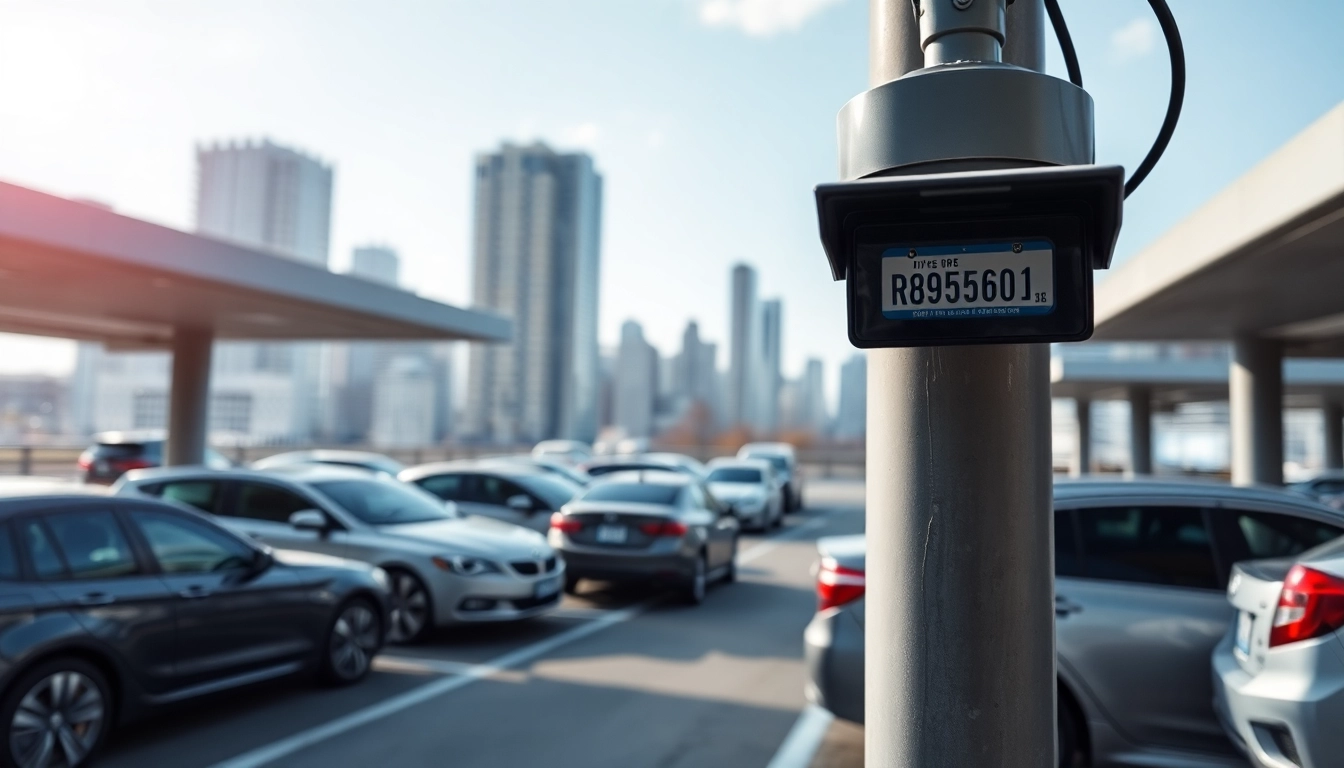

What is a License Plate Recognition Camera?
Definition and Functionality
A license plate recognition camera is an advanced technological device designed specifically for capturing and processing images of vehicle license plates. These cameras utilize Optical Character Recognition (OCR) technology to analyze the letters and numbers on a plate, converting the image into a searchable digital format. This functionality enables various applications across security, law enforcement, and traffic management sectors. In essence, these cameras provide an effective means to monitor and manage vehicular movement by creating extensive databases of license plate information.
How License Plate Recognition Camera Works
At the core of the license plate recognition camera is a sophisticated system comprised of high-resolution imaging technology and highly developed software algorithms. The process typically follows these steps:
- Image Capture: The camera captures images of vehicles as they pass, depending on its positioning and the setup of the area monitored. Typically, these cameras are installed in fixed locations or on mobile units.
- Image Processing: The captured images are then processed using OCR software that identifies and extracts the license plate number from the image. Factors such as lighting, distance, and the angle of the vehicle can affect accuracy, but modern systems are designed to handle various conditions effectively.
- Data Storage and Analysis: Extracted license plate data is stored in a database, allowing for the tracking, searching, and management of vehicle information easily. Data can be analyzed in real time, providing immediate feedback and alerts for specific plate numbers if needed.
Key Features to Consider
When selecting a license plate recognition camera, various features are vital for optimal performance:
- Resolution: High-resolution cameras enhance image clarity, ensuring accurate plate recognition even at high speeds.
- Night Vision: Advanced infrared capabilities or low-light technology allow for effective operation in nighttime conditions.
- Processing Speed: The ability to process images swiftly is critical for real-time applications, particularly in high-traffic areas.
- Durability: Weatherproofing features can extend the life of cameras used in outdoor environments.
- Integration Capabilities: The ability to seamlessly work with existing security systems or databases is crucial in multi-component setups.
Applications of License Plate Recognition Camera
Security and Surveillance
License plate recognition cameras serve as a powerful tool in security and surveillance, enhancing the safety of residential areas, commercial properties, and public spaces. By monitoring entry and exit points, these systems can track vehicles that enter specific locations, flagging those that might be suspicious or unauthorized. This real-time monitoring capability is invaluable for law enforcement agencies in preventing crime and fostering a sense of safety within communities.
Traffic Management
Effective traffic management is another critical application of license plate recognition cameras. These devices help monitor vehicular flow, identify traffic violators, and simplify data collection for urban planning. Authorities can use detailed analytics gleaned from captured data to optimize traffic signals, enforce parking regulations, and reduce congestion during peak hours. This proactive approach leads to improved traffic conditions and reduced carbon emissions, thus benefiting the environment.
Parking Automation
License plate recognition technology has transformed traditional parking systems by automating vehicle entry and exit. By linking software with parking control systems, these cameras provide seamless access for authorized vehicles while preventing unauthorized ones. They also enhance user experience by allowing quick entry and exit without the need for tickets or manual verification, simplifying operations for parking facility administrators in the process.
Choosing the Right License Plate Recognition Camera
Considerations for Installation
Selecting the right license plate recognition camera involves understanding various installation factors. Locations should be chosen based on traffic patterns, visibility of the camera, and environmental conditions. Proper mounting height and angle are crucial for optimal performance, ensuring that the camera can capture clear, unobstructed images of approaching vehicles.
Hardware and Software Requirements
The hardware requirements for a license plate recognition camera typically include high-resolution imaging sensors, powerful processors capable of handling real-time data analytics, and rugged housing for outdoor installations. Software requirements might entail advanced OCR capabilities, storage solutions for footage, and an intuitive interface for user management and reporting.
Budget and Pricing Options
Budget considerations play a significant role in the selection of license plate recognition cameras. Prices can range significantly based on features, manufacturer reputation, and installation costs. While some models may start at a relatively low price point, more advanced systems with comprehensive functionalities can be a considerable investment. It’s essential to weigh the long-term benefits against initial costs to ensure a worthwhile investment.
Performance Metrics for License Plate Recognition Camera
Accuracy and Read Rate
The performance of any license plate recognition camera can primarily be assessed through its accuracy and read rate. Advanced systems boast accuracy rates above 90%, minimizing false positives and ensuring reliable data collection. Continuous monitoring and software updates can help maintain high performance over time, adapting to varying environmental conditions.
Data Management and Storage
Effective data management and storage solutions are crucial for organizations utilizing license plate recognition cameras. Organizations should consider solutions that allow for secure data storage, easy retrieval, and seamless integration with existing management systems. Complying with data protection regulations also ensures ethical handling of sensitive information.
Integration with Existing Systems
Integration capabilities are paramount when implementing a license plate recognition camera system. These cameras should work smoothly alongside existing security technology, such as surveillance cameras and entry control systems, to create a cohesive operational framework. Compatibility and user-friendly integrations reduce the complexity of system management and enhance overall efficiency.
Frequently Asked Questions
What is the typical range of a license plate recognition camera?
A license plate recognition camera typically works effectively within 20-30 feet, depending on the model and environment.
Can I use a license plate recognition camera for home security?
Yes, many homeowners use license plate recognition cameras to track vehicle access in residential areas for enhanced security.
Are there any legal implications for using a license plate recognition camera?
Yes, it’s crucial to be aware of local laws regarding privacy and data storage when using license plate recognition cameras.
How do license plate recognition cameras compare to standard security cameras?
License plate recognition cameras are designed specifically to capture and analyze license plates, offering specialized data processing capabilities.
What maintenance is required for a license plate recognition camera?
Regular cleaning and software updates are recommended to ensure optimal performance and accuracy of the license plate recognition camera.