
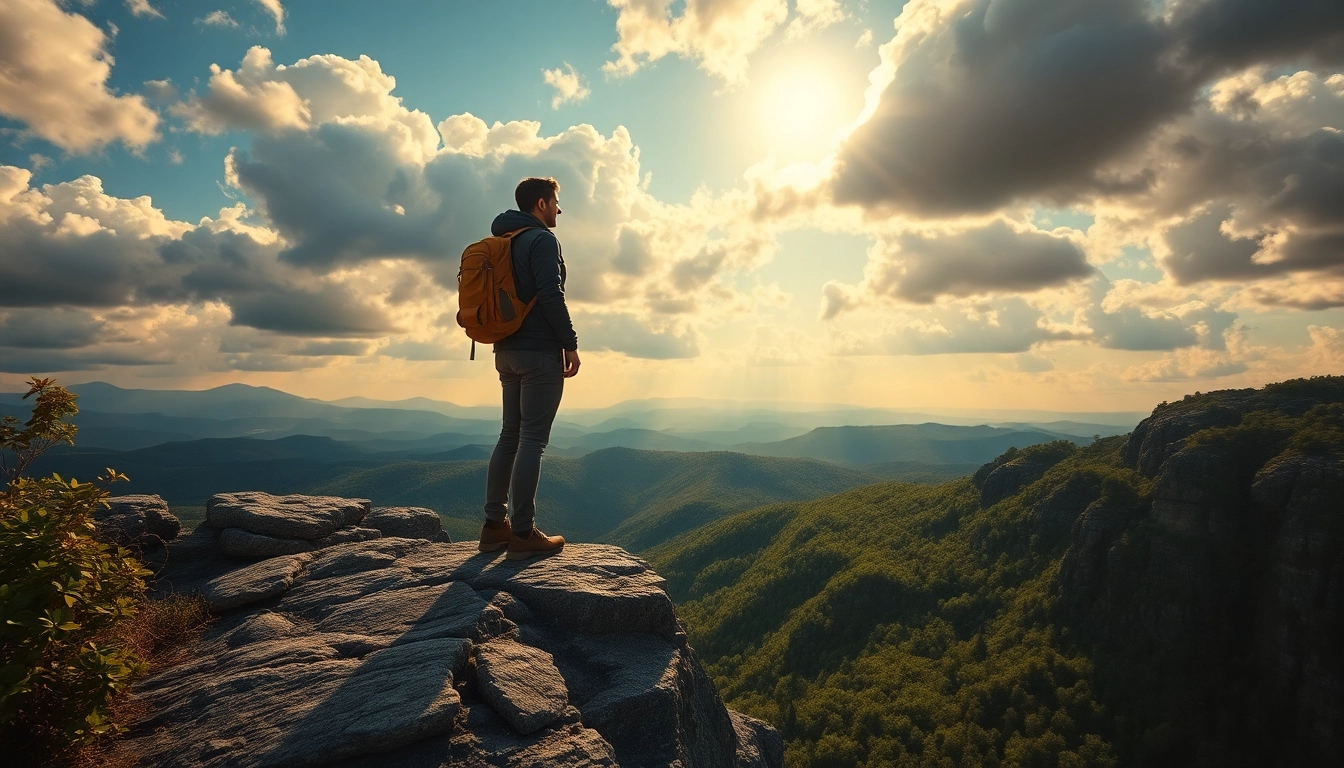

Understanding Expedition Planning with https://wpedition.com/
Planning an expedition can be exhilarating yet overwhelming. The raw thrill of exploring uncharted territories or experiencing new cultures is easily matched by the meticulous planning that precedes it. https://wpedition.com/ serves as an invaluable resource for adventurers seeking to streamline their expedition planning process. In this comprehensive guide, we shall delve into the essential aspects of expedition planning, from research and goal setting to selecting the right destination, ensuring that you are well-prepared for the adventure that lies ahead.
The Importance of Research in Expeditions
Research lies at the heart of a successful expedition. Understanding the geographical, cultural, and environmental nuances of your chosen destination can dramatically enhance your experience. Here are several key aspects to consider:
- Geographical Knowledge: Familiarize yourself with the terrain, climate, and natural hazards. Knowing the possible challenges, such as rocky paths or sudden weather changes, allows for better preparation.
- Cultural Insights: Learning about the local customs, traditions, and languages can enrich your interactions with locals. It also minimizes the potential for cultural faux pas.
- Historical Context: Understanding the history of a region can provide depth to your journey. Consider reading up on significant historical events or figures tied to your destination.
- Logistical Planning: Research available accommodations, transport options, and facilities in the area to optimize your itinerary.
Setting Clear Goals for Your Adventure
Defining the purpose of your expedition can help align your activities and expectations. Consider asking yourself:
- What do I want to achieve? Are you looking for adventure, relaxation, education, or a combination of these?
- What experiences would be most fulfilling? Engage in activities that resonate with your interests, whether it’s trekking, cultural immersion, or wildlife observation.
- How will I measure success? Establish benchmarks for your journey, such as the number of new skills learned or experiences gained.
Choosing the Right Destination for Your Expedition
The choice of destination can largely influence the overall experience of your expedition. Factors to consider when selecting a destination include:
- Accessibility: Ensure that your destination is reachable based on your budget and time constraints. Travel restrictions: Research any travel advisories or restrictions related to your chosen location.
- Environmental Considerations: Be mindful of the ecological impact of your presence in sensitive ecosystems and choose destinations that align with sustainable travel practices.
- Adventure Levels: Depending on your experience and physical fitness, select a location that offers the right intensity and challenge for your expedition.
Essential Gear for Successful Adventures on https://wpedition.com/
The right gear can mean the difference between a successful expedition and a challenging one. Equipping yourself with the necessary tools and supplies is crucial for safety and comfort.
Choosing the Right Footwear and Clothing
The foundation of your expedition is undoubtedly your choice of footwear and clothing. Improper attire can lead to discomfort and even injuries. Here’s what to keep in mind:
- Footwear: Invest in high-quality, durable hiking boots suitable for your terrain. Always break them in before your trip to avoid blisters.
- Layering Clothing: The right clothes should be moisture-wicking and insulated to regulate body temperature. Use a layering system that allows you to adapt to changing weather conditions.
- Weatherproof Gear: Consider waterproof and windproof jackets and pants if you’re heading into unpredictable environments.
Must-Have Tools for Every Expedition
Having the right tools at your disposal can significantly improve your expedition experience. Essential gear includes:
- Navigation Tools: GPS devices, compasses, and topographic maps are essential for staying on course.
- Cooking Equipment: Portable stoves, pots, and fuel sources allow you to prepare meals effectively in remote areas.
- Camping Gear: A reliable tent, sleeping bag, and sleeping pad ensure a good night’s rest amidst nature.
Safety Equipment: Why It Matters
Safety should always be your top priority during expeditions. Equip yourself with:
- First Aid Kits: A well-stocked first aid kit is essential for treating minor injuries.
- Emergency Signals: Carry a whistle, mirror, or flare for signaling in case of emergencies.
- Personal Locator Beacons: These devices can alert rescue services if you find yourself in distress.
Planning Your Itinerary with https://wpedition.com/
A well-planned itinerary serves as a roadmap for your expedition. It should be balanced and offer both structure and flexibility.
Creating a Balanced Schedule
Composing a balanced itinerary involves blending adventure, relaxation, and cultural experiences. Aim for a mix of the following:
- Activities: Prioritize diverse activities such as exploration, cultural visits, and relaxation days.
- Rest: Schedule ample downtime to recharge, ensuring you’re physically and mentally prepared for daily adventures.
- Local Insights: Incorporate elements of local culture, such as guided tours or community activities, to enhance your understanding of the area.
Incorporating Flexibility into Your Plans
While having a plan is crucial, be prepared to adapt. Consider these strategies:
- Buffer Times: Include buffer times in your schedule to account for unexpected delays or missed connections.
- Alternate Activities: Identify alternative activities that can serve as backups in case of inclement weather or other disruptions.
- Open-Focused Mind: Be open to spontaneous opportunities that arise during your journey. Sometimes, the best experiences are unplanned.
Documenting Your Journey
Keeping a record of your expedition enriches your experience and provides materials for future reference. Methods of documentation include:
- Journaling: Write down your thoughts, feelings, and observations daily to document your personal growth.
- Photography: Capture moments with a camera, focusing on landscapes, interactions, and unique details to create lasting memories.
- Video Logs: Consider filming short video logs to share your journey with family and friends or to create a travel series online.
Building Skills for Effective Expeditioning on https://wpedition.com/
Preparatory skills can empower you to tackle your expedition confidently and efficiently. The following competencies are essential for every explorer:
Navigation Skills: Map Reading and Use of GPS
Mastering navigation techniques helps you navigate unfamiliar landscapes. Here are key skills to develop:
- Map Reading: Understand how to read topographic maps, including contour lines, scales, and landmarks.
- GPS Proficiency: Familiarize yourself with GPS devices or apps. Learn to input coordinates and track your route effectively.
- Landmark Recognition: While navigating, recognize key landmarks and natural features to stay oriented.
First Aid Basics for Adventurers
Having a basic understanding of first aid can save lives. Here are some critical areas to focus on:
- Wound Care: Know how to clean and dress wounds properly to prevent infections.
- CPR Skills: Familiarize yourself with CPR techniques and how to respond to choking incidents.
- Recognizing Symptoms: Learn to identify common ailments that might occur during expeditions, such as dehydration or altitude sickness.
Sustainable Practices: Leave No Trace Principles
As explorers, we are stewards of the environments we explore. Adopting sustainable practices ensures the preservation of nature for future generations. Consider these principles:
- Plan Ahead: Choose designated paths and camping areas to minimize impact on the environment.
- Dispose of Waste Properly: Follow local guidelines for waste disposal and consider carrying out all waste, including biodegradable items.
- Respect Wildlife: Observe animals from a distance and avoid feeding them. Be sure to maintain their natural behaviors.
Sharing Your Expedition Stories with https://wpedition.com/
Upon returning from your adventure, sharing your experiences can inspire others and keep memories alive. Here are various ways to share your stories:
Capturing Memories: Photography Tips
Photography helps convey the essence of your expedition. Follow these tips for capturing stunning shots:
- Composition: Use the rule of thirds to create visually appealing images. Ensure that the horizon is straight and contrasts are strong.
- Lighting: Golden hours (early morning or late afternoon) provide the best natural light for outdoor photography.
- Candid Moments: Capture natural interactions and expressions to tell a more relatable story.
Writing a Compelling Overview of Your Adventure
A well-crafted narrative can rekindle the magic of your expedition. Focus on the following aspects as you write your overview:
- Hook the Reader: Start with an engaging opening that draws readers in and sets the tone for your story.
- Detail Your Journey: Describe your activities, emotions, and learning experiences, weaving in personal anecdotes.
- Final Reflections: Conclude with reflections on what you learned and how the experience impacted you, encouraging others to embark on their own adventures.
Engaging with Community: Sharing Your Experiences
Sharing your adventure with a community can foster deeper connections and provide a platform for discussion:
- Social Media: Utilize platforms like Instagram, Facebook, or travel blogs to share highlights and connect with fellow adventurers.
- Local Groups: Consider leading discussions or workshops with local outdoor groups to share firsthand experiences and knowledge.
- Travel Write-Ups: Submit articles or stories to travel magazines or blogs to reach a wider audience and potentially inspire others.