
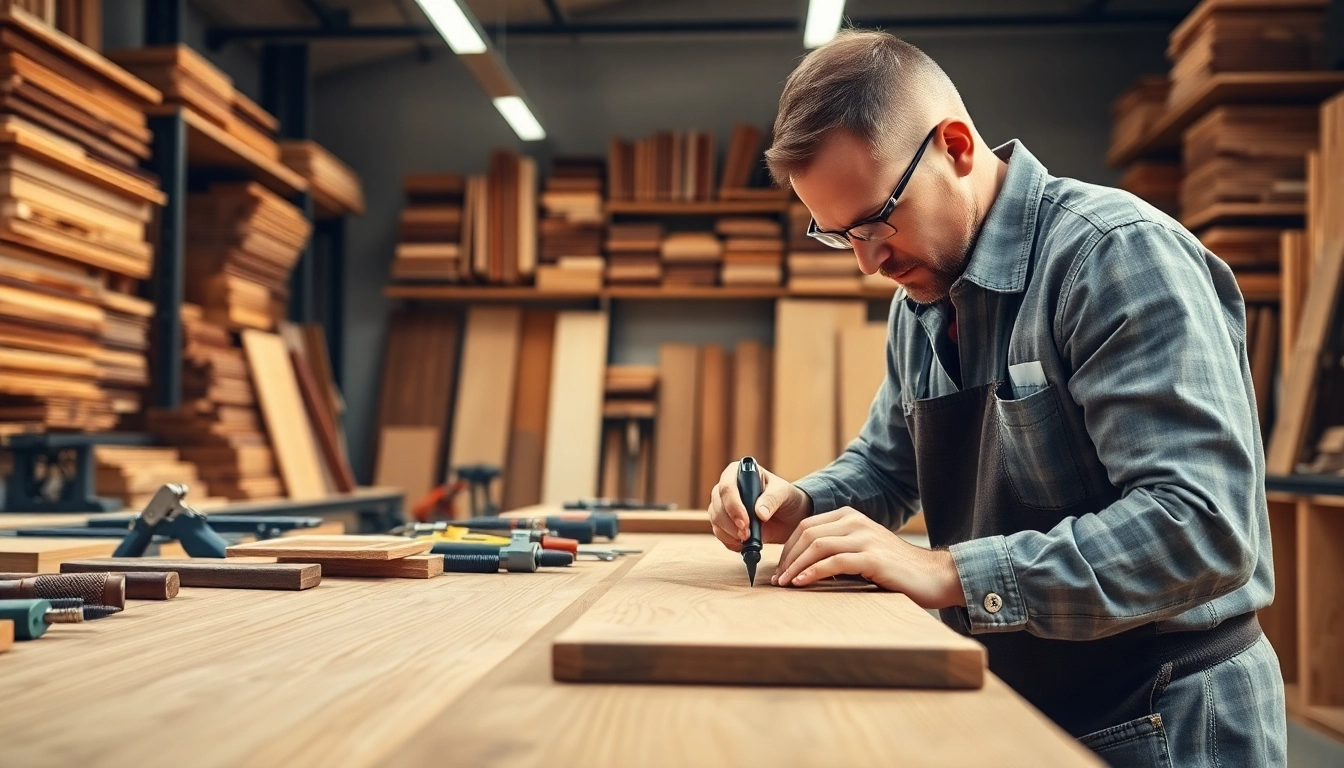

Understanding Custom Cabinets and Their Benefits
What Are Custom Cabinets?
Custom cabinets are tailor-made cabinetry designed to meet the specific requirements, measurements, and aesthetics of your living space. Unlike stock cabinets, which come in predetermined sizes and styles, custom cabinets offer unparalleled flexibility in design and functionality. Whether you’re looking for a way to maximize storage in a small kitchen, create a stunning focal point in your living room, or incorporate unique features that reflect your personal style, custom cabinets can play a crucial role in enhancing your space. Each cabinet is crafted utilizing a variety of materials, finishes, and styles that align with your vision and the overall design of your home.
Advantages of Choosing Custom Cabinets
Choosing custom cabinets comes with a multitude of advantages that can significantly improve both the aesthetic and functional aspects of your home. Here are some key benefits:
- Tailored Design: Custom cabinets are designed to fit your specific space, accommodating odd angles, unique ceiling heights, and uneven walls.
- Quality Craftsmanship: Crafted from high-quality materials, custom cabinets are built to last, offering superior durability compared to their mass-produced counterparts.
- Personalization: With an array of materials, finishes, and hardware options available, you can create cabinets that truly reflect your style.
- Functional Solutions: Custom cabinets can be designed with specialized storage solutions such as pull-out shelves, deep drawers, and hidden compartments suitable for your storage needs.
- Increased Home Value: Investing in custom cabinetry can elevate the overall value of your home, making it more appealing to potential buyers.
Popular Styles of Custom Cabinets
When it comes to styles, the possibilities with custom cabinets are extensive. Here are some popular choices:
- Traditional Style: This style features ornate details, rich woods, and classic finishes to create a warm and inviting look.
- Modern Minimalist: Characterized by sleek lines, flat-panel doors, and a streamlined aesthetic, this style embraces simplicity.
- Rustic Farmhouse: Combining reclaimed materials with a cozy layout, rustic cabinets add charm and character to any space.
- Transitional Style: A fusion of traditional and modern elements, transitional cabinets offer versatility that suits a wide variety of spaces.
- Shaker Style: Known for its simplicity and versatility, shaker cabinets feature clean lines and a timeless appeal.
Materials to Consider for Custom Cabinets
Wood Options for Custom Cabinets
Wood has been a preferred material for cabinets for centuries, thanks to its beauty and durability. Popular wood species for custom cabinets include:
- Oak: Known for its strength, oak features a prominent grain and is available in various finishes.
- Maple: Maple is hard and resistant to stains, making it an excellent choice for high-traffic areas.
- Cherry: With a rich color and smooth grain, cherry wood darkens over time, adding to its character.
- Pine: A softer wood that is cost-effective and often used for a rustic aesthetic.
Alternative Materials for Modern Designs
As design trends evolve, so do the materials utilized in custom cabinets. Alternatives such as:
- Laminate: Offering an affordable and versatile option, laminate comes in various colors and textures.
- Medium Density Fiberboard (MDF): This engineered wood is highly robust and smooth, making it ideal for painting.
- Metal: Stainless steel can provide a sleek and modern touch, particularly in kitchens and industrial-themed spaces.
- Glass: Adding a modern and open feel, glass doors can create visual interest and showcase valuable items.
Durability and Maintenance of Materials
Durability and maintenance are key considerations when choosing materials for custom cabinets. Here’s a breakdown of some materials:
- Solid Wood: While solid wood can be durable, proper care (like regular oiling) is essential to prevent warping.
- Laminate: Highly durable and easy to clean, laminate is resistant to dents and scratches.
- MDF: While susceptible to water damage, sealing and careful use can prolong its life.
- Metal: Rust-resistant finishes can make metal cabinets long-lasting solutions, though they may require occasional polishing.
Designing Your Custom Cabinets
Assessing Your Space and Needs
Before diving into the design process, it’s vital to assess your space and needs comprehensively. Consider the following:
- Measure Your Space: Ensure you have accurate dimensions, including ceiling heights and wall lengths, to create a fitting design.
- Identify Storage Needs: Consider what items you need to store and how often you access them, which will influence your cabinet configurations.
- Think about Traffic Flow: Ensure cabinet placement does not obstruct pathways, ensuring ease of movement in your space.
Incorporating Functionality into Design
Functionality should be at the core of your custom cabinet design. Strategies to enhance functionality include:
- Pull-Out Drawers: This design allows for easier access to items stored in back corners.
- Built-In Dividers: These can keep utensils organized and clutter low.
- Adjustable Shelving: Flexibility in shelf height accommodates various item sizes.
- Multi-Purpose Areas: Consider creating cabinets that serve dual functions, such as a desk space integrated within a built-in.
Color and Finish Options for Custom Cabinets
The color and finish of your custom cabinets can dramatically impact the overall appearance of your space. Consider the following options:
- Stained Finishes: Enhance the wood’s natural beauty by choosing a color that complements your decor.
- Painted Finishes: Available in virtually any color, painted finishes can bring a fresh, modern look to your cabinets.
- Distressed Finishes: For a rustic or vintage aesthetic, distressing techniques can give the wood character.
- Glossy Finishes: Reflective surfaces can enhance light and create a more open feeling in small spaces.
Installation Process for Custom Cabinets
Preparing for Installation
Preparing properly for the installation of custom cabinets is crucial to a successful outcome. Begin by:
- Clearing the Space: Remove any existing fixtures, furniture, or appliances that may obstruct the installation area.
- Reviewing the Layout: Confirm measurements and placements align with your design expectations and space.
- Gathering Tools: Ensure you possess or have access to the necessary tools, including a level, drill, and saw.
Steps to Install Custom Cabinets
The installation of custom cabinets involves several integral steps:
- Mount the Upper Cabinets: Begin by installing the upper cabinets, making sure to use shims where needed for alignment.
- Install Base Cabinets: Level the base cabinets using shims and secure them to the wall and each other.
- Secure Door Hardware: Install hinges and drawer slides, ensuring they are adjustable for proper alignment.
- Finish Touches: Once cabinets are installed, add hardware, touch-up paint, and caulk any gaps for a polished appearance.
Post-Installation Maintenance Tips
To ensure longevity and maintain the beauty of your custom cabinets, employ these post-installation maintenance tips:
- Regular Cleaning: Use gentle cleaners to avoid damaging finishes or surfaces. Regular dusting helps maintain appearance.
- Avoid Excessive Moisture: Keep humidity levels stable to prevent warping or damage to the wood.
- Check for Loose Hardware: Frequently inspect and tighten cabinet hardware to maintain functionality.
- Follow Usage Guidelines: Avoid overloading shelves or placing excessively heavy items in cabinets.
FAQs About Custom Cabinets
What is the cost range for custom cabinets?
The cost of custom cabinets can vary widely depending on materials, design complexity, and size, typically ranging from $500 to $1,500 per linear foot.
How long does the design process take?
The design process for custom cabinets usually takes 4 to 8 weeks, depending on the complexity of your project and the manufacturer’s workload.
Can custom cabinets be designed for smaller spaces?
Absolutely! Custom cabinets are ideal for small spaces, offering solutions tailored to maximize storage while ensuring functionality and aesthetic appeal.
Are custom cabinets worth the investment?
Yes, custom cabinets are worth the investment as they enhance your space’s functionality and aesthetic, often providing a higher return on investment when selling your home.
How to choose the right finish for my cabinets?
Choosing the right finish involves considering your overall home aesthetic, the cabinet’s purpose, and how much wear and tear they will experience. Testing samples can help make a decision.