
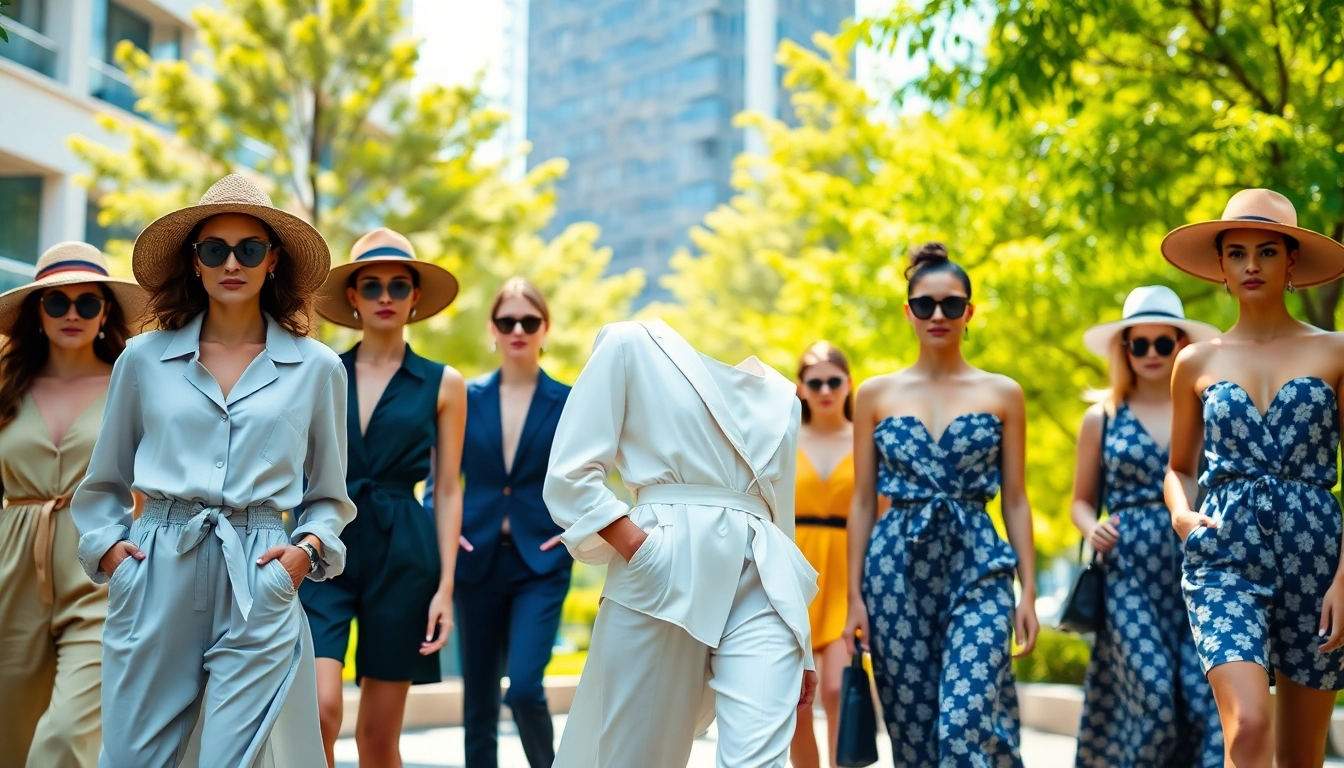

Understanding Fashion: A Cultural Phenomenon
What is Fashion?
Fashion, at its core, is an expression of culture, identity, and individuality. It encompasses more than just clothing; it involves the creation, presentation, and consumption of garments that signify personal style and societal trends. From haute couture to street style, Fashion serves as a mirror reflecting the times we live in, influenced by cultural shifts, historical events, and even technological advancements.
The Evolution of Fashion Trends
The journey of fashion is a rich tapestry of revolutions and transformations. It traces its roots back to ancient civilizations, where various cultures defined style through color, fabric, and silhouette. In the medieval period, fashion became a symbol of status, while the Renaissance gave way to more expressive styles that celebrated artistry and creativity.
The 20th century marked a significant transformation, characterized by the rapid evolution of styles influenced by global events and shifts in societal norms. The 1920s flapper dresses and the 1980s bold silhouettes exemplify how external factors shape fashion. Today, we witness a blend of retro influences and futuristic designs, making fashion a continuously evolving phenomenon.
Fashion’s Role in Identity Expression
Fashion is an essential medium for personal expression and identity. It allows individuals to showcase their beliefs, backgrounds, and personalities without uttering a word. Clothing can be an armor or a canvas, telling stories of individual circumstances and cultural backgrounds. For many, wearing certain styles serves as a way to connect with like-minded communities, challenge societal norms, or express their individuality. This interplay between fashion, identity, and culture is profound and multifaceted.
Current Fashion Trends to Keep an Eye On
Seasonal Styles for Every Occasion
As fashion continuously evolves, seasonal trends emerge, providing endless options for those looking to refresh their wardrobe. Spring often ushers in pastel shades and floral patterns, while summer typically embraces lighter fabrics and vibrant colors. The fall season is synonymous with rich hues and layering techniques, while winter fashion often gravitates towards cozy materials and muted tones.
This cyclical nature of fashion drives creativity among designers, ensuring there is always something new to try. Understanding the pieces that define each season helps individuals curate their wardrobes effectively and maintain a stylish presence regardless of the time of year.
Must-Have Accessories
Accessories play a crucial role in completing any outfit. From statement jewelry to versatile handbags, the right accessories can elevate a simple ensemble into a fashion statement. Trending accessories often reflect seasonal styles but can also introduce timeless elements to a wardrobe.
Key accessories to consider include chunky boots, oversized sunglasses, and layered necklaces. These pieces not only add personality but also serve as conversation starters. Moreover, they enhance an outfit’s versatility, allowing for seamless transitions between casual and formal settings.
How to Incorporate Trends into Your Wardrobe
Incorporating fashion trends into your wardrobe can be a daunting task. However, the key is to approach it with balance and authenticity. Start by selecting a few trend-driven pieces and pairing them with staples you already own. This creates a harmonious blend that reflects your personal style while staying updated with contemporary trends.
Additionally, experimenting with layering, textures, and colors can profoundly enhance your look. Embrace confidence in your choices, and don’t be afraid to step outside your comfort zone. Remember, fashion is a form of self-expression.
Fashion and Sustainability: A Growing Concern
The Impact of Fast Fashion
Fast fashion has revolutionized the industry, making stylish clothing accessible to the masses at a rapid pace. However, this model comes with significant drawbacks, including environmental degradation and unethical labor practices. The relentless cycle of production means that fashion items are often made hastily, resulting in lower quality and higher waste.
Understanding the implications of fast fashion is the first step towards making more sustainable choices. As consumers become increasingly aware of these issues, there’s a growing demand for brands to operate more ethically and transparently.
Eco-Friendly Fashion Choices
In response to the concerns surrounding fast fashion, eco-friendly fashion is gaining traction. This approach emphasizes sustainable materials, ethical labor practices, and reduced waste. Organic fabrics, recycled materials, and second-hand shopping are just a few ways individuals can contribute to a more sustainable wardrobe.
Brands committed to sustainability are reimagining how clothing is produced, from design to disposal. Supporting these initiatives can help foster an industry that prioritizes the planet and its people over profits.
Brands Leading the Sustainability Movement
Several innovative brands are paving the way for sustainable fashion. These companies focus on creating high-quality products while ensuring their supply chains are ethical and eco-friendly. They champion transparency, allowing consumers to make informed choices about their purchases. This shift illustrates that sustainability is not only feasible but can also be stylish and appealing.
The growth of this movement highlights a significant cultural shift – one where consumers demand accountability from brands while embracing responsible consumption patterns.
Shopping Smart: Finding Your Fashion Fit
Online vs. In-Store Shopping Experiences
The rise of e-commerce has transformed the shopping landscape, offering convenience and an expanding variety of options. Online shopping allows consumers to peruse vast collections from the comfort of their homes. However, it can also lead to challenges such as sizing discrepancies and inadequate product images.
On the other hand, in-store shopping provides tactile experiences, enabling customers to feel fabrics and try on garments. It’s an integral part of the shopping experience that cannot be replicated digitally. Understanding personal preferences can help individuals choose the best shopping approach for their needs.
Understanding Size and Fit
One of the most significant challenges in shopping for fashion is ensuring the correct size and fit. Sizes vary greatly between brands, making it essential for consumers to understand their measurements and use size charts effectively. Additionally, trying on clothing before purchase allows for a more tailored experience.
Utilizing customer reviews and image galleries can assist in making informed decisions about potential purchases. Remember, finding the perfect fit enhances comfort and confidence in your fashion choices.
Budget-Friendly Fashion Tips
Fashion doesn’t have to come at a premium price. Thrifting, swapping with friends, and taking advantage of sales can help individuals maintain a stylish wardrobe on a budget. Additionally, investing in timeless pieces that can be styled in various ways ensures longevity in your fashion choices.
Explore local boutiques or online platforms for unique finds, as these often provide affordable alternatives to high-end retailers. Ultimately, being resourceful can lead to discovering pieces that are both fashionable and budget-friendly.
The Future of Fashion: Trends to Watch
Digital Fashion and NFTs
The intersection of fashion and technology is increasingly apparent, with digital fashion and NFTs (non-fungible tokens) emerging as trends to watch. Virtual fashion allows individuals to curate their online personas and avatar appearances in an increasingly digital world.
The NFT market has opened doors for luxury brands to showcase exclusive digital collections, providing an innovative way to engage consumers. As technology continues to evolve, the possibilities for digital expression in fashion are limitless.
The Rise of Personalization
Consumers today crave personalization in their fashion choices, leading to an increasing demand for tailored approaches to shopping. Brands that offer customization options, whether through mix-and-match pieces or personalized recommendations, resonate more with customers, allowing them to create unique styles that reflect their individuality.
This trend not only fosters customer loyalty but also encourages a more sustainable shopping experience, as consumers are less likely to discard items that resonate with their personal style.
Integration of Technology in Fashion
Technology is facilitating innovation across the fashion landscape, from smart clothing embedded with technology to AI-driven styling assistance. These advancements enable consumers to engage with fashion in new and interactive ways, enriching their shopping experiences.
Moreover, technology can enhance sustainability efforts by streamlining manufacturing processes and improving supply chain transparency. As these technologies continue to develop, their impact on the industry will undoubtedly shape the future of fashion.
FAQs about Fashion
What are essential fashion staples for every wardrobe?
Essential staples include a classic white shirt, versatile denim, a tailored blazer, and basic footwear. These items can be styled in multiple ways, allowing for endless outfit combinations.
How can I stay updated with the latest fashion trends?
Following fashion blogs, magazines, and influencers on social media can help you stay informed. Attending fashion weeks and subscribing to newsletters also aids in trend awareness.
What is the significance of fashion in different cultures?
Fashion is a cultural expression, reflecting heritage, identity, and values. It plays a key role in how societies perceive themselves and others, showcasing diversity and individuality.
Why is sustainable fashion important?
Sustainable fashion minimizes environmental pollution and promotes ethical labor practices. It encourages consumers to make conscious choices that support the planet and ethical production standards.
How can I develop my personal style?
Start by exploring different aesthetics and identifying what resonates with you. Experiment with various styles and pieces while considering your lifestyle and comfort to find a look that expresses your individuality.