

Understanding Bed Bug Infestations
What Are Bed Bugs?
Bed bugs are small, wingless insects scientifically known as Cimex lectularius that feed on human blood and other warm-blooded hosts. They have flattened, oval bodies making them difficult to see unless close-up. Typically brown, they darken after feeding. Bed bugs are notorious for their resilience and ability to reproduce quickly. Understanding their biology and behavior is crucial for effective management and eradication.
Signs of an Infestation
Identifying signs of a bed bug infestation early can save you from a prolonged battle. Common indicators include:
- Presence of bites: Small, red, itchy welts often appear in lines or clusters on the skin.
- Blood stains: Tiny blood spots on bedding or mattresses where bed bugs have been crushed after feeding.
- Dark spots: Small black fecal spots (digested blood) often found on surfaces around sleeping areas.
- Eggs and shed skins: These can be found in hiding places, as bed bugs shed their skins multiple times before reaching maturity.
Why You Need Bed Bug Exterminators
Bed bugs are notoriously difficult to eliminate without professional help. While homeowners may try DIY methods, the following reasons highlight the necessity of professional bed bug exterminators:
- Expert Diagnosis: Professionals can accurately identify infestations and differentiate them from other pests.
- Effective Treatment Plans: Customized strategies that cater to the severity of the infestation and specific environments.
- Access to Professional Tools: Exterminators have access to advanced tools and pesticides that are not available to the general public.
- Ongoing Support: They provide advice on prevention and follow-up treatments to avoid re-infestation.
How Bed Bug Exterminators Operate
Initial Inspection and Assessment
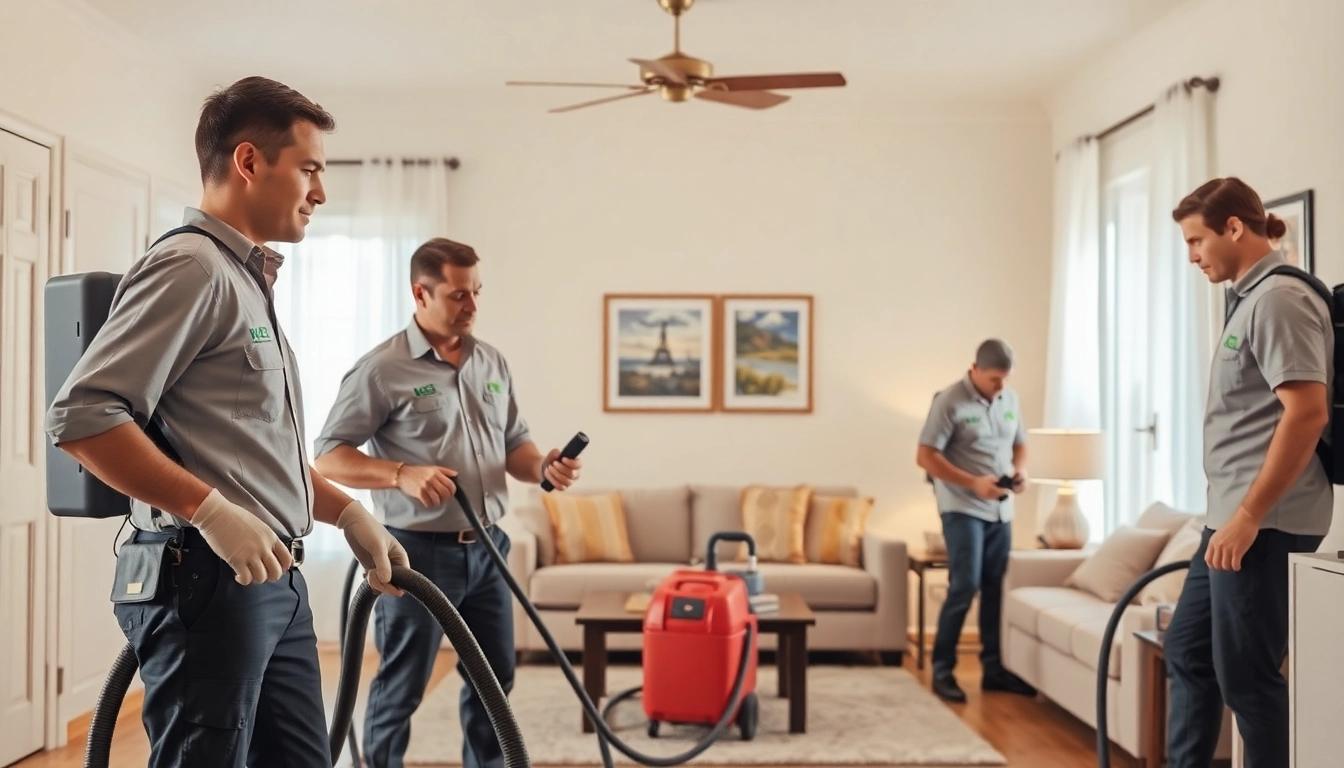
The first step in the extermination process involves a detailed inspection. Exterminators systematically evaluate the affected area to locate all potential hiding spots, such as crevices in furniture, baseboards, and even electrical outlets. This helps in assessing the extent of the infestation and planning the most efficient treatment.
Choosing the Right Treatment Method
There are several treatment options available for bed bug extermination, and the choice will depend on the severity of the infestation:
- Heat Treatment: This involves raising the temperature of an infested area to levels lethal for bed bugs.
- Pesticide Application: Professional-grade insecticides are applied strategically to infested areas.
- Vacuuming: Powerful vacuums can remove bed bugs and eggs directly from surfaces.
- Steam Treatments: High-temperature steam can effectively kill bed bugs, especially in hard-to-reach areas.
The exterminator chooses a combination of these methods to ensure comprehensive coverage and eradication of bugs at all life stages.
Safety Measures During Extermination
Safety is paramount during bed bug exterminations. Exterminators take steps to ensure the safety of residents and pets. This includes:
- Using eco-friendly pesticides whenever possible.
- Advising residents on necessary precautions, such as vacating the premises during treatment.
- Ensuring all areas are ventilated post-treatment to eliminate any residual chemicals in the air.
Preventative Measures Post-Extermination
Cleaning and Decluttering Tips
Post-extermination cleaning is crucial to prevent re-infestation. Here are some effective methods:
- Laundering: Wash all bedding, curtains, and clothing in hot water and dry on high heat to kill any lingering bugs.
- Vacuuming: Vacuum all floors, furniture, and crevices thoroughly, focusing on areas near beds and couches.
- Decluttering: Minimize clutter to reduce hiding places for future infestations.
Long-term Protection Strategies
Preventing future infestations involves adopting long-term strategies, such as:
- Regular Inspections: Conduct bi-annual inspections to catch any potential infestations early.
- Encasements: Use bed bug-proof covers on mattresses and box springs to prevent bugs from entering or escaping.
- Awareness: Stay informed about bed bug trends in your area and educate household members about identification and prevention.
Importance of Regular Inspections
Regular inspections by professionals can help identify any signs of bed bugs before they become a major problem. Scheduled check-ups ensure prompt action can be taken, reducing long-term costs and stress associated with significant infestations.
Costs Associated with Hiring Bed Bug Exterminators
Factors Influencing Treatment Costs
Costs for extermination can vary widely based on several factors:
- Extent of Infestation: More severe infestations require more extensive treatment, which raises costs.
- Property Size: Larger areas may demand more resources and time.
- Method of Treatment: Different approaches have different costs, with heat treatment often being more expensive.
- Geographical Location: Prices can fluctuate based on local market conditions and demand.
Possible Financing Options
Many exterminators offer flexible financing options to help homeowners manage the costs associated with bed bug eradication. This may include payment plans or financing through third-party services, enabling customers to spread out payments over time.
Return on Investment of Professional Services
Investing in professional extermination services can ultimately save money in the long run. By effectively eliminating bed bugs, homeowners avoid the high costs associated with continued infestations, including lost rentals, damaged furnishings, and medical treatments for bite reactions.
Frequently Asked Questions About Bed Bug Exterminators
What types of treatments do exterminators use?
Exterminators use various methods including heat treatments, pesticide applications, and vacuuming to eliminate all life stages of bed bugs effectively.
How long does the extermination process take?
The duration depends on the infestation’s severity, but treatment typically takes a few hours. Comprehensive follow-ups may be required over the subsequent weeks.
Are the treatments safe for children and pets?
Yes, many treatments are safe for children and pets. Exterminators use eco-friendly solutions and take necessary precautions during the procedure.
What can I do to prepare for the treatment?
You should declutter rooms, wash bedding, and follow any specific instructions your exterminator provides to ensure an effective treatment process.
How can I prevent future infestations?
Routine inspections, using protective encasements on bedding, and maintaining a clutter-free environment can help prevent future bed bug infestations.