
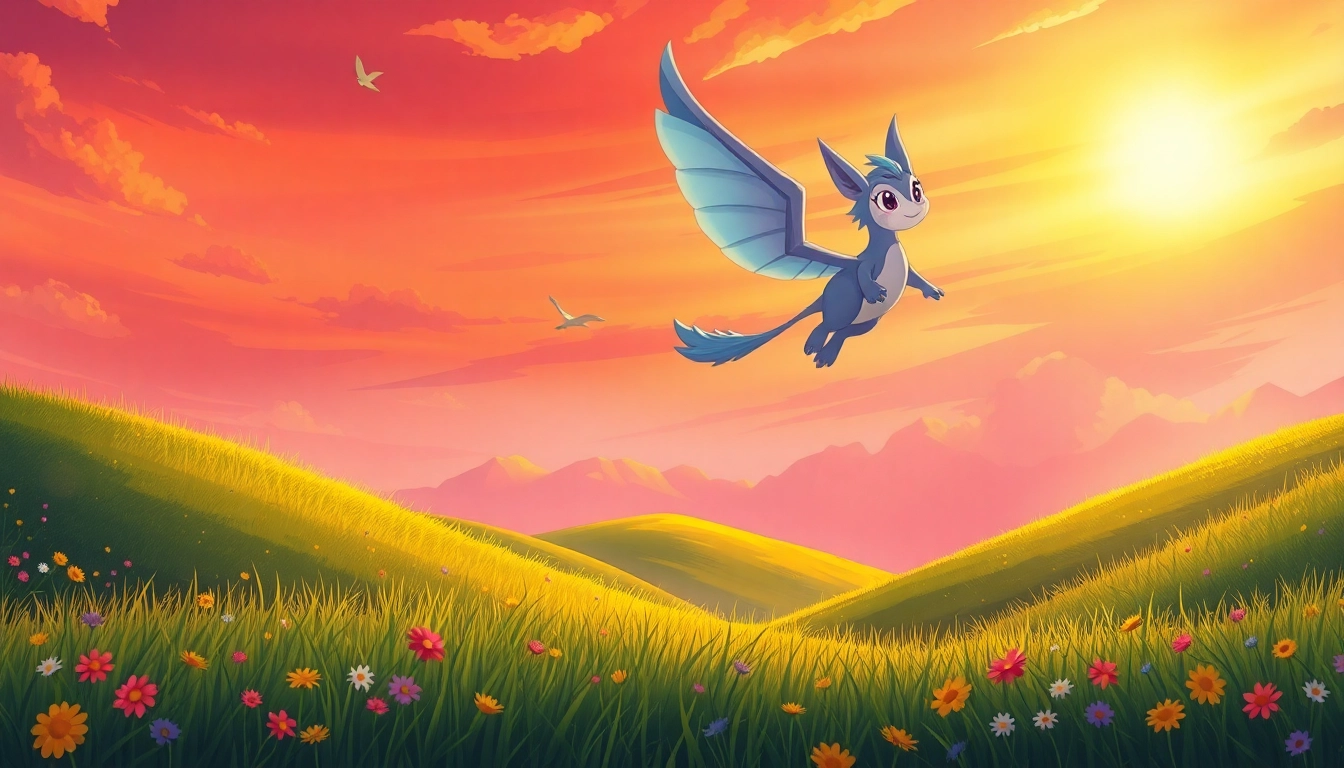

Introduction to Sora and Its Origins
The term sora is revered across various cultures and often associated with deep symbolism and meaning. To appreciate its profound impact, it is essential to delve into its origins and the myriad interpretations that stem from historical narratives to contemporary representations. This article explores the roots, cultural significance, and ongoing relevance of sora, shedding light on its artistic manifestations and its enduring legacy in modern storytelling.
The Mythical Roots of Sora
Sora is often seen as a concept that blends both the mythical and the natural. Its origins are interwoven with folklore, and many societies attribute spiritual or magical elements to it. In various myths, sora symbolizes transcendence, embodying the journey from the earthly realm to a higher spiritual existence. Such tales often position sora as a guiding force or an entity that aids in the transition between different states of being, highlighting the significance of freedom and exploration in mythology.
Sora in Cultural Contexts
The usage of the term sora extends far beyond a singular cultural context. In many Asian cultures, for example, it embodies the spirit of freedom and the skies. It is represented as a divine presence or an inspiration instilling courage to break free from societal constraints. Conversely, in Western literature, sora is often interpreted as a character trait reflecting resilience, portraying individuals who rise against adversity with determination. These cultural interpretations enrich the meaning of sora and illustrate its versatile symbolism across diverse narratives.
Symbolism and Interpretations of Sora
The symbolism of sora can vary dramatically; it can signify both liberation and the quest for identity. In some narratives, it is depicted as a metaphorical flight, suggesting the pursuit of dreams, aspirations, and personal growth. Conversely, sora can also symbolize the internal struggles that individuals face when navigating the complexities of life. This multifaceted interpretation allows sora to resonate with individuals from various walks of life, serving as an icon of hope and empowerment.
Sora in Art and Literature
Art and literature have continuously drawn from the essence of sora, illustrating its breadth through various mediums. The symbolism embedded in sora has sparked the imagination of countless artists and writers, leading to rich, evocative portrayals that echo the deeper understanding of freedom and growth.
Portrayals of Sora in Historical Art
Historical art has seen sora manifest in paintings, sculptures, and textiles, often depicted in scenes of nature or sky. Artists often represent sora with birds or celestial beings, which embody the unrestrained spirit of flight. This artistic representation invites viewers to contemplate their connection to the skies and the limitless potential that lies therein.
Sora in Modern Literature
Modern literature further expands the narrative of sora, employing it as a central theme in novels and poetry. Authors use sora to explore themes of personal transformation, identity, and freedom. In contemporary works, characters may embody the spirit of sora as they navigate challenges that test their resilience, and ultimately they find themselves anew, symbolizing rebirth and the quest for authenticity.
Influence of Sora on Contemporary Creatives
The influence of sora on today’s creatives is profound. Through music, writing, and visual arts, artists draw inspiration from the life-affirming qualities of sora to evoke emotions and provoke thought. Modern art that embraces the concept of sora does so by challenging viewers to consider their interpretations of freedom, identity, and the interconnectedness of life.
Exploring the Symbolism of Sora
Understanding the symbolism of sora opens multifaceted interpretations that connect deeply with human emotion and experience. Designed to inspire reflection, the concepts surrounding sora offer valuable insights into our personal journeys.
Sora as a Symbol of Freedom and Growth
At its core, sora embodies freedom and the potential for growth. It invites individuals to pursue their passions and dreams without constraints. This theme resonates strongly in narratives where characters experience metamorphosis—facing obstacles yet emerging stronger. Sora represents the belief that personal growth stems from the courage to confront fears and embrace new experiences. In this sense, sora becomes a reminder that liberation often requires stepping out of comfort zones.
Sora in Spirituality and Folklore
The spiritual dimensions of sora can be seen in folklore, where it often appears as a guiding spirit or a transformative entity that aids individuals in their journeys. Such portrayals encourage a connection to the spiritual realm, emphasizing intuition, inner wisdom, and the importance of listening to one’s heart. Sora serves as a bridge between the earthly and the divine, reinforcing human beings’ quest for enlightenment and understanding.
The Connection of Sora with Nature
Moreover, sora’s intrinsic connection to nature underscores a fundamental aspect of its symbolism. Many natural elements—like birds in flight or the expansive sky—capture the essence of sora, inviting individuals to draw inspiration from the world around them. This connection encourages a deep appreciation for the environment and an understanding of humanity’s role within it. Recognizing the harmony between sora and nature fosters respect for the planet and an understanding of our interdependencies.
Cultural Representations of Sora
Sora inspires diverse cultural expressions and celebrations, manifesting the shared human experience through various lenses. By examining these representations, we can appreciate the universal themes that resonate across cultures.
Sora Across Various Cultures
Exploring how sora is represented in various cultures reveals a rich tapestry of beliefs and practices. In Japanese culture, for instance, sora often signifies the sky and the shared space of dreams and hopes. In various Native American traditions, it pertains to freedom and the spirit of the wind, emphasizing the communion between humans and nature. Each cultural interpretation adds a unique perspective on the message of sora, serving to bridge gaps and cultivate mutual understanding.
Festivals and Celebrations Featuring Sora
Many festivities champion the spirit of sora, celebrating themes of freedom and renewal. Festivals centered around the changing seasons often align with the idea of rebirth and new beginnings. Celebrations where participants take symbolic flights, such as kite festivals or community sky lantern events, bring together people in shared joy and an appreciation for the beauty of life, evoking the spirit of sora.
Artistic Expressions Inspired by Sora
Artists continue to explore the theme of sora in their work, employing diverse mediums to communicate the ethos of freedom and identity. From murals depicting soaring birds and vivid skies to contemporary sculptures that capture the essence of flight, sora remains a central theme that inspires innovation. These artistic expressions serve as a dialogue between the past and the present, allowing contemporary creators to reflect on timeless human experiences.
Frequently Asked Questions about Sora
What does the name Sora mean?
Sora often translates to “sky” in various languages, symbolizing freedom and vastness, inviting exploration and growth.
How is Sora represented in different cultures?
Sora is depicted variably around the world, representing freedom, spiritual guides, or the essence of the sky, reflecting diverse cultural beliefs.
Why is Sora considered a symbol of freedom?
Sora embodies liberation and empowerment, symbolizing aspirations to break free from constraints and pursue one’s dreams.
What role does Sora play in modern stories?
In contemporary narratives, sora symbolizes personal transformation, with characters navigating challenges and emerging resilient and authentic.
How can I create art inspired by Sora?
Creating art inspired by sora involves exploring themes of freedom and nature, using mediums like painting, sculpture, or poetry.