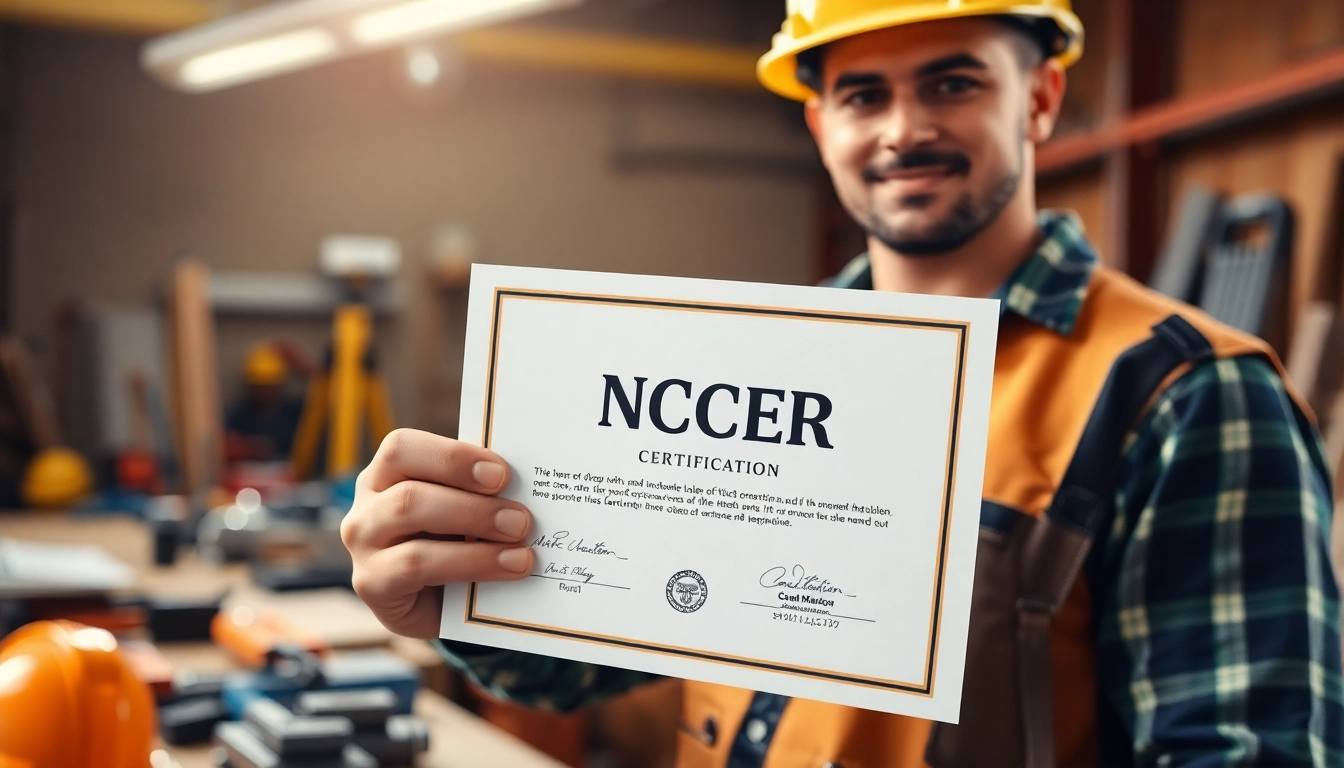
Understanding the Importance of NCCER Certification
What is NCCER Certification?
The NCCER certification is a nationally recognized credential designed for individuals in the construction and maintenance industries. Established by the National Center for Construction Education and Research, this certification aims to validate various skills, knowledge, and competencies in specialized trades. It covers a broad range of areas, including construction, electrical, plumbing, welding, and more, ensuring that professionals have the essential expertise needed to excel in their fields.
Benefits of Obtaining NCCER Certification
Obtaining the nccer certification offers numerous advantages:
- Enhanced Employability: Certified professionals are often prioritized in job recruitment processes as employers seek skilled labor with verified training.
- Increased Earning Potential: Many workers with NCCER certification experience a rise in salary due to their recognized skill set.
- Standardized Credentials: The certification provides a standardized measure of skills across various regions, ensuring employers can assess talent consistently.
- Career Advancement Opportunities: Many organizations actively promote certified individuals for leadership roles due to the credibility associated with their certification.
Who Should Pursue NCCER Certification?
NCCER certification is particularly beneficial for:
- Apprentices: Individuals starting their careers in the construction industry can gain a solid foundation.
- Experienced Workers: Those looking to validate their skills and enhance their credentials.
- Educators: Instructors in technical schools aiming to provide quality training backed by recognized certification.
- Employers: Companies wishing to ensure their workforce is well-trained and certified to meet industry standards.
NCCER Certification Process Explained
Steps to Achieve NCCER Certification
The process to achieve NCCER certification typically involves the following steps:
- Enrollment in Training Programs: Participants need to enroll in accredited NCCER training programs tailored to their chosen trade.
- Completion of Coursework: This step includes both theoretical learning and practical hands-on experiences aligned with industry standards.
- Certification Exam: Applicants must pass a rigorous exam to demonstrate their competency in the subject matter.
- Skill Assessment: A hands-on skills assessment is conducted to evaluate the practical skills necessary for the job.
Preparing for the Certification Exam
To effectively prepare for the certification exam, consider the following strategies:
- Study Resources: Utilize NCCER's official study guides, textbooks, and practice tests available through their website and educational partners.
- Hands-On Practice: Engage in practical exercises and real-world applications of skills learned during training.
- Group Study Sessions: Join or form study groups with peers to enhance understanding through discussion and shared knowledge.
- Schedule Regular Review: Set aside regular time blocks for review leading up to the exam to reinforce memory retention.
Resources for NCCER Certification Preparation
Several resources can assist individuals in their journey to certification:
- NCCER’s Official Website: Provides a wealth of information, from coursework to exam details.
- Community Colleges and Technical Schools: Many of these institutions offer accredited NCCER training programs and workshops.
- Online Learning Platforms: Numerous platforms offer classes tailored to NCCER exam preparation, allowing for flexibility in learning.
- Local Trade Associations: Networking with local organizations can provide insights into certification programs and preparation resources.
Common Challenges Faced During the Certification Journey
Time Management Essentials
Time management is crucial for those pursuing NCCER certification. Balancing work, study, and personal commitments can be challenging. Here are tips to manage time effectively:
- Prioritize Tasks: Determine what's most urgent and important; focus on those tasks first.
- Create a Study Schedule: Allocate specific times each week for study, ensuring consistency and discipline.
- Utilize Technology: Employ apps and tools to set reminders and track progress against deadlines.
Handling Certification Exam Anxiety
Exam anxiety can hinder performance. Strategies for managing stress include:
- Practice Relaxation Techniques: Techniques such as deep breathing, visualization, or meditation can help calm nerves.
- Simulate Exam Conditions: Taking practice tests under timed conditions can reduce anxiety on exam day.
- Stay Positive: Maintain a positive mindset and focus on preparation accomplishments rather than doubts.
Overcoming Material Mastery Obstacles
Some candidates may struggle with specific material. Here’s how to overcome these challenges:
- Identify Weaknesses: A self-assessment can highlight areas needing extra attention.
- Seek Help: Utilize instructors or peers for clarification on difficult topics.
- Hands-On Experience: Engage in practical projects or simulations that reinforce theoretical knowledge.
Real-World Applications of NCCER Certification in the Industry
Career Opportunities with NCCER Certification
NCCER certification opens doors to various career paths. Some opportunities include:
- Construction Manager: Overseeing projects and managing teams effectively.
- Skilled Tradesperson: Roles in electrical, plumbing, welding, or HVAC services.
- Safety Coordinator: Ensuring compliance with safety regulations and standards in construction.
- Estimators: Analyzing project costs and resource needs for bids and proposals.
Success Stories of Certified Professionals
Many certified professionals have transformed their careers due to NCCER certification. Success stories often highlight:
- A skilled tradesperson receiving promotions and pay raises after becoming certified.
- An apprentice who secured a full-time position in a reputable company owing to their certification.
- Individuals transitioning into supervisory roles due to their verified competencies.
Industry Demand for Certified Workers
As the demand for skilled labor continues to rise in the construction industry, the need for certified professionals has become evident. Organizations frequently seek:
- Professionals with Endorsements: Many employers prioritize candidates with NCCER certification for technical roles.
- Workers for Specialized Trades: There is a growing need for expertise in areas like renewable energy and building information modeling (BIM).
- Increased Safety Training: Certified individuals are often better equipped to maintain industry safety standards.
Evaluating the Impact of NCCER Certification on Your Career
Measuring Career Growth Post-Certification
Evaluating the impact of NCCER certification on your career can be achieved through:
- Salary Increases: Comparing earnings before and after certification to assess financial benefits.
- Job Satisfaction: Reflecting on personal job satisfaction and engagement levels in your role.
- Promotional Opportunities: Tracking advancement in professional roles since obtaining certification.
Networking Opportunities through NCCER Certification
Being NCCER certified expands professional networks. Networking benefits include:
- Access to Industry Events: Attending industry-specific seminars, workshops, and job fairs focused on certification.
- Engagement with Alumni: Connection with fellow certified professionals can foster collaboration and referrals.
- Membership in Professional Organizations: Joining relevant associations allows for networking and mentorship opportunities.
Long-Term Benefits of Keeping Your Certification Current
Maintaining NCCER certification is vital for long-term career growth. Benefits of staying current include:
- Continued Development: Engaging in ongoing education keeps skills updated and relevant to the job market.
- Alignment with Industry Standards: Remaining certified aids in adherence to evolving safety and professional protocols.
- Increased Employability: Employers often prefer candidates whose certifications are up to date, reflecting commitment and professionalism.
Frequently Asked Questions
What is NCCER certification?
NCCER certification is a nationally recognized credential that validates an individual’s skills in various construction and maintenance specialties.
How long does it take to get NCCER certification?
The time to obtain NCCER certification varies, typically ranging from a few weeks to several months depending on training availability and preparation.
What are the requirements for NCCER certification?
Requirements include completion of NCCER training programs, a passing score on the certification exam, and demonstration of skills through hands-on assessments.
Is NCCER certification worth it?
Yes, NCCER certification can enhance employability, provide better job opportunities, and potentially lead to higher earnings in the construction industry.
How can I maintain my NCCER certification?
To maintain NCCER certification, practitioners must complete required continuing education and re-certification processes as outlined by NCCER guidelines.