Understanding Artisanal Fashion
Artisanal fashion offers more than unique aesthetics; it embodies a philosophy that resonates with those seeking sustainable and conscious ways to dress. This type of fashion prioritizes handcrafted techniques, natural materials, and ethical production practices. As a result, each piece tells a story—a narrative of care, intention, and a deep respect for our environment. Exploring these principles offers not just insight into fashion choices but also a way to support a more sustainable future.
The Philosophy Behind Handmade Clothing
At the core of artisanal fashion lies the belief that clothing should reflect the values and stories of those who create it. Handmade clothing is often produced by skilled artisans who invest time into the details, ensuring that each item is a work of art in its own right. This connection between maker and garment fosters a sense of appreciation for the craft and the resources involved in its creation.
Benefits of Choosing Sustainable Fashion
Choosing sustainable fashion has numerous benefits that extend beyond fashion aesthetics. Firstly, it helps reduce the environmental impact prevalent in mass-produced clothing. The fashion industry is notorious for its contributions to pollution and waste. In contrast, sustainable practices often utilize eco-friendly materials, like organic cotton and natural dyes, minimizing pollution and waste.
Furthermore, supporting sustainable fashion brands can enhance social responsibility, as many artisans fueled by these practices invest in their local economies. By promoting fair wages and safe working conditions, consumers choose a path that supports ethical labor practices.
How Artisanal Fashion Supports Local Communities
Artisanal fashion is deeply intertwined with local communities. By choosing to purchase handmade pieces, consumers contribute to the survival and revival of traditional crafts and skills often passed down through generations. This not only preserves cultural heritage but also supports the livelihoods of artisans. When consumers opt for artisanal goods, they help keep local economies vibrant and sustainable.
Exploring the Collections at https://www.ound-ound.com
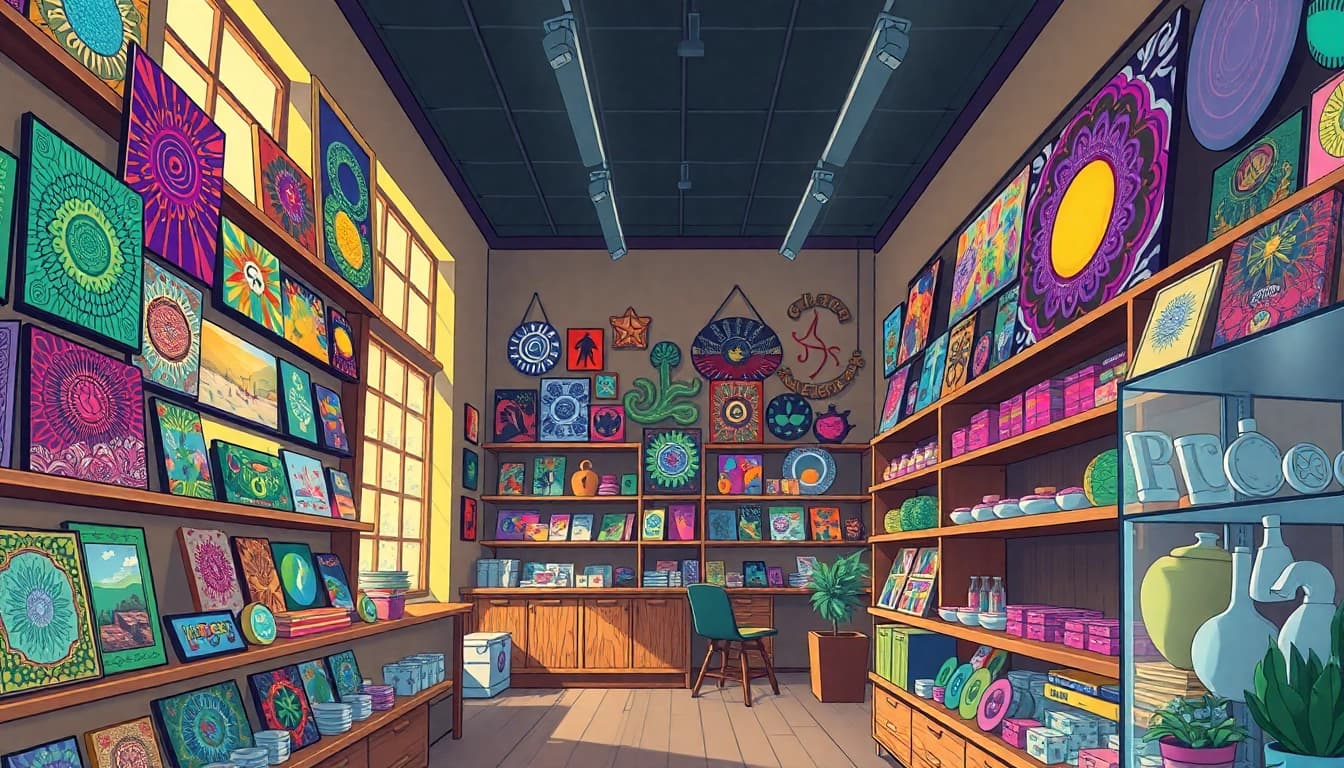
One notable destination for artisan clothing and accessories is https://www.ound-ound.com. This platform presents various artisanal collections that emphasize craftsmanship and sustainable practices. From luxurious knitwear to bespoke jewelry, the offerings highlight the intersection of art and functionality.
Hand-Knitted Luxury Clothing Selections
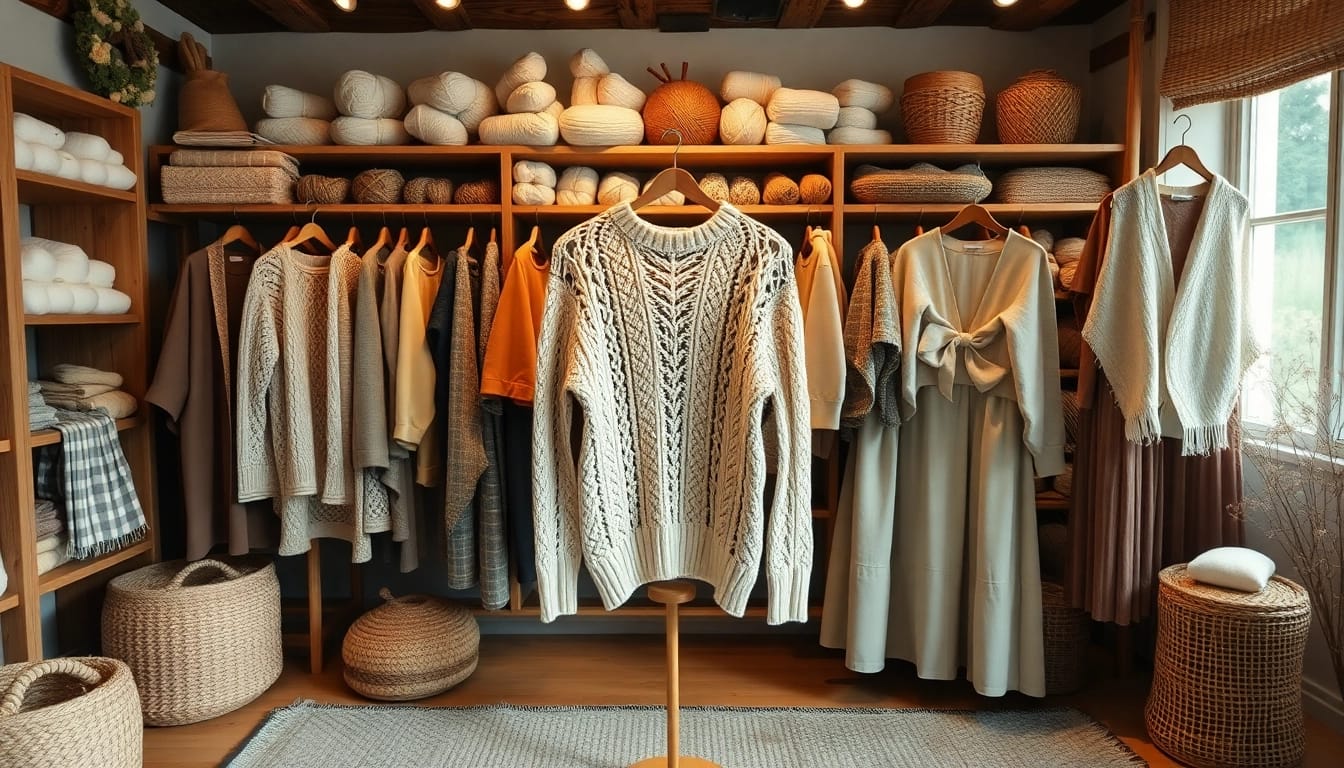
The collection of hand-knitted luxury clothing reflects a careful selection of top-tier materials and designs. Using 100% extra fine Merino and Corriedale wool, these garments prioritize comfort without compromising on style. Items such as cardigans and jumpers crafted with undyed and naturally colored materials allow wearers to connect with their garments at a deeper level. These pieces stand out not only due to their quality but also through their commitment to sustainable methods.
Unique Jewelry Pieces Crafted with Care
The jewelry collection is equally noteworthy; handcrafted rings, earrings, and other adornments emphasize individuality and craftsmanship. Each piece is designed with a sustainable ethos in mind, making use of alternative materials to ensure minimal environmental impact. By investing in artisanal jewelry, consumers acquire not just accessories but tangible expressions of art and dedication.
The Process of Hand Dyeing Garments
Another standout aspect of the collections is the hand-dyeing process. These practices often involve natural dyes derived from plants, minerals, and other eco-friendly sources. By using traditional dyeing techniques rooted in cultural practices, artisans create unique garments that celebrate nature while offering a rich palette of colors. This method reduces reliance on chemical dyes, promoting a healthier environment and adding a personalized touch to each item.
Eco-Friendly Materials in Fashion
Understanding the materials that go into fashion items is crucial for anyone looking to make sustainable choices. Eco-friendly materials often provide not just environmental benefits but also enhance the overall quality and longevity of the garments.
Natural Dyes and Their Environmental Impact
Natural dyes serve as an essential part of the sustainable fashion narrative. Unlike synthetic dyes that can pollute waterways and harm ecosystems, natural dyes use plant-based resources that are inherently less harmful. These dyes also add an organic quality to the fabric, creating a unique look thanks to the variance in colors and textures, showcasing the beauty of imperfection.
Types of Sustainable Fabrics Used in Fashion
In addition to dyes, the choice of fabric can significantly impact the sustainability of fashion. Fabrics such as organic cotton, bamboo, hemp, and Tencel are increasingly favored in sustainable wardrobes. These materials not only require fewer resources to produce but also offer the promise of biodegradability, reducing the overall carbon footprint associated with clothing waste.
Importance of Ethical Sourcing
Ethical sourcing should be at the forefront of any conscious consumer's mind. This encompasses ensuring that the yarns, fabrics, and other materials are obtained through practices that uphold human rights and fair trade principles. By choosing brands that prioritize ethical sourcing, consumers can actively contribute to creating a more equitable marketplace.
How to Care for Your Handmade Fashion Items
Investing in handmade fashion pieces requires a commitment to their upkeep to ensure longevity. Understanding how to care for these items effectively maximizes their lifespan and maintains their aesthetic appeal.
Washing and Maintenance Tips for Luxurious Clothing
Handmade garments often require specific washing guidelines to preserve their integrity. For many fabric types, hand washing is recommended, using cold water and mild detergents to prevent damage. Drying should typically occur flat or in a shaded area to avoid shrinking or fading. Regularly rotating garments and treating stains as they arise can also prolong the life of each piece.
Long-Term Sustainability Practices for Fashion Lovers
Adopting long-term sustainability practices involves more than just proper care; it also requires making conscious decisions about consumption. This means investing in fewer, but higher-quality pieces that align with personal values rather than succumbing to fleeting trends. Consumers should also consider swapping clothes with friends or participating in garment rental services to extend the lifecycle of fashion items.
Repairing vs. Recycling Handmade Garments
When faced with the natural wear of handmade clothing, consumers often find themselves at a crossroads between repairing and recycling. Repairing a cherished garment can breathe new life into it, reinforcing the connection between the wearer and the item. If a piece is beyond repair, recycling or repurposing it into new garments can minimize waste, supporting a circular fashion model that encourages resourcefulness.
Connecting with the Community
Participating in communities centered around sustainable and artisanal fashion can deepen one’s understanding and appreciation of these practices. Engaging with likeminded individuals often leads to shared knowledge, resources, and motivation to continue supporting ethical fashion practices.
Participating in Sustainable Fashion Events
Local events, markets, and pop-ups focused on sustainable fashion provide opportunities to connect with artisans and learn about their processes firsthand. These venues often showcase a wide range of materials and techniques, offering visitors a deeper appreciation of what goes into artisanal fashion. Workshops can also educate attendees on skills like dyeing or knitting, enhancing personal experience with handcrafted pieces.
Sharing Your Artisanal Fashion Journey
Sharing personal experiences in artisanal fashion can inspire others to reconsider their purchasing habits. Social media platforms and blogs serve as excellent outlets for storytelling. By showcasing favorite pieces, discussing their origins, and sharing care practices, individuals can lead by example and encourage others to explore the world of sustainable fashion.
Engaging with Fellow Fashion Enthusiasts at https://www.ound-ound.com
Exploring community collaborations and engaging with fellow fashion enthusiasts at https://www.ound-ound.com opens up endless opportunities for connection and learning. Interacting with artisans, sharing insights, and supporting each other's journeys toward a more sustainable wardrobe can create a vibrant network of advocates for ethical fashion.