Understanding Metal Roofing: An Overview
In recent years, metal roofing has surged in popularity among homeowners and builders alike. The combination of aesthetic appeal and unparalleled durability has led many to consider metal as a top choice for roof installations. This article aims to provide a comprehensive look into metal roofing, exploring its types, material benefits, cost considerations, installation procedures, maintenance practices, and frequently asked questions. Let's delve into why metal roofing may be the perfect fit for your next project.
What is Metal Roofing?
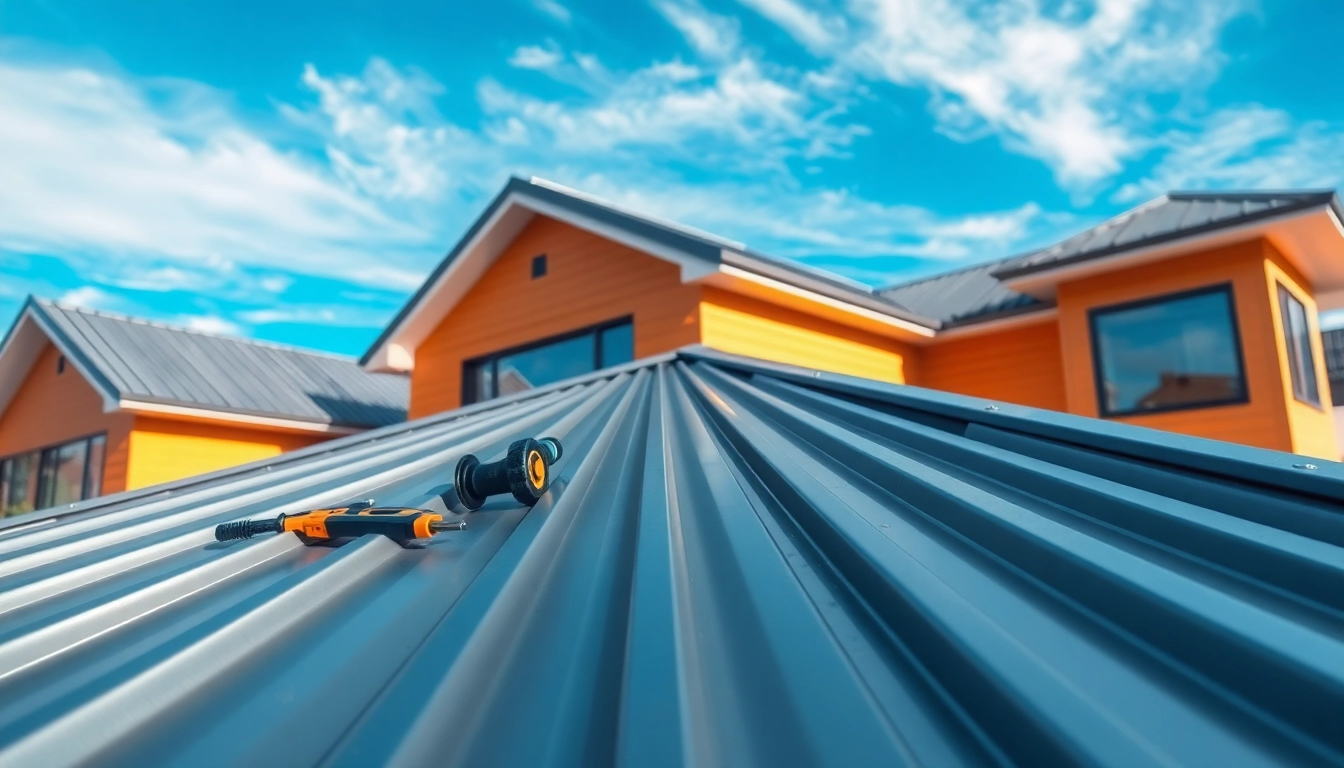
Metal roofing refers to roofing systems that involve metal pieces or tiles. It encompasses a wide range of metals including steel, aluminum, copper, and zinc. Metal roofs can be designed as sheets or shingles, depending on the aesthetic requirements and functional needs of a structure. The versatility of metal roofing allows it to be utilized in various architectural styles while ensuring longevity and durability.
Types of Metal Roofing Materials
When it comes to metal roofing, several material options cater to different needs and preferences:
- Steel: One of the most prevalent choices, steel roofs are often galvanized to prevent corrosion. Galvalume is another option that combines aluminum and zinc for a robust finish.
- Aluminum: Lightweight and resistant to rust, aluminum is suitable for a variety of climates and is particularly useful in coastal areas due to its corrosion-resistant properties.
- Copper: Known for its aesthetic appeal, copper develops a green patina over time, providing a distinctive look. It is also highly durable but comes with a higher price tag.
- Zinc: With a long lifespan and low maintenance requirements, zinc roofing is also recyclable and environmentally friendly. It offers natural corrosion resistance and is often employed in historical homes.
- Mixed Materials: Some modern metal roofs combine different metals for a unique appearance, often blending aesthetics with functional benefits.
Key Benefits of Choosing Metal Roofing
The appeal of metal roofing extends beyond just its aesthetic qualities. Here are several compelling reasons to consider metal roofing:
- Longevity: Metal roofs can last 40-70 years, outpacing traditional shingle roofs that generally require replacement every 15-30 years.
- Durability: These roofs withstand strong winds, heavy rain, hail, and even fire, making them an ideal choice in various climates.
- Energy Efficiency: Metal roofing reflects solar radiant heat, which can reduce cooling costs significantly.
- Low Maintenance: Unlike traditional roofing options, metal roofs require minimal upkeep, reducing long-term costs and hassles.
- Environmental Sustainability: Metal roofing is often made from recycled materials and is fully recyclable at the end of its life cycle, reducing landfill waste.
Cost Analysis of Metal Roofing
When considering a roofing project, understanding costs is crucial for effective budgeting. Metal roofing can be more expensive upfront but offers substantial savings over time. Let’s break down the cost considerations:
Initial Installation Costs
The cost of installing metal roofing ranges from $4 to $30 per square foot, influenced by various factors including material type, installation complexity, and geographic region. Although these costs may seem steep compared to traditional shingles (typically $1 to $5 per square foot), the long-term benefits often justify the initial investment. It’s essential to get multiple quotes from contractors to ensure competitive pricing.
Long-term Savings and Value
While the upfront costs of metal roofing are higher, their durability translates to fewer repairs and replacements over the roof's lifespan. The energy efficiency of metal roofs also results in lower energy bills, providing cost savings that accumulate over time. Furthermore, many insurance companies offer discounts to homeowners with metal roofs, recognizing their durability and resilience.
Comparing Metal Roofing with Other Options
When assessing roofing options, it’s vital to consider various materials:
- Asphalt Shingles: While cheaper initially, they lack the lifespan and durability of metal roofing, leading to higher long-term costs.
- Tile Roofs: More durable than shingles, tile roofs are still heavier and can face installation challenges, with costs comparable to metal options.
- Slate Roofs: Slate possesses superior durability and aesthetic appeal; however, the weight and cost make metal roofing a more practical choice for many homeowners.
Installation Process for Metal Roofing
Installing metal roofing may seem daunting, but with proper planning and understanding, the process becomes manageable. Here’s a detailed overview of what to expect during installation.
Preparation and Requirements
Before installation begins, several steps must be taken to prepare the site:
- Assessing the structure for suitability.
- Selecting the right metal roofing material.
- Gathering essential tools like drills, metal shears, and safety equipment.
- Assembling a skilled installation team or hiring professional roofers for complex projects.
Step-by-Step Installation Guide
The steps to install metal roofing typically include:
- Remove Existing Roof: If applicable, carefully remove old roofing material.
- Inspect the Roof Deck: Ensure the roof deck is in good condition and repair or replace damaged areas as needed.
- Install Underlayment: Apply a water-resistant underlayment over the deck to provide an additional moisture barrier.
- Install Metal Panels: Secure metal panels starting from the lower edge of the roof, overlapping each panel in the direction of water flow.
- Finish with Trim and Flashing: Install any necessary trims and flashing around edges, vents, and chimneys to ensure water tightness.
Common Mistakes to Avoid
When installing metal roofing, avoid these common pitfalls:
- Neglecting to understand the specific requirements of chosen materials.
- Failing to secure adequate insulation layers, which can lead to condensation issues.
- Overlooking proper flashing installations that can eventually lead to leaks.
- Choosing low-quality panels or accessories that may compromise durability.
Maintaining Your Metal Roofing
Maintaining metal roofing is straightforward but necessary for ensuring longevity. Regular checks can help prevent potential issues.
Regular Maintenance Practices
Key maintenance tasks include:
- Conducting routine inspections, ideally twice a year, to check for damage or loose components.
- Cleaning the roof surface to remove debris, leaves, or other residues that can trap moisture.
- Checking seals, joints, and regularly inspecting the flashing for signs of wear.
- Keeping gutters clear to ensure proper drainage.
Signs of Wear and When to Call a Professional
Vigilance is crucial. Watch for these signs that may indicate the need for professional evaluation:
- Rust or corrosion spots developing on the panels.
- Water stains on interior ceilings, which may indicate roof leaks.
- Loose or missing fasteners that may compromise the roofing integrity.
Cleaning Tips for Metal Roofing
Keeping metal roofs clean is vital for maintaining their appearance and longevity. Follow these steps:
- Use a soft-bristle brush or low-pressure washing equipment to remove dirt.
- Avoid abrasive cleaning agents, as they can damage the protective coating.
- For tougher stains, use a mixture of mild soap and water.
FAQs about Metal Roofing
How long does a metal roof last?
Metal roofs can last 40 to 70 years with proper installation and maintenance, significantly exceeding typical asphalt shingle roofs.
Is metal roofing energy-efficient?
Yes, metal roofing reflects solar radiant heat, leading to reduced cooling costs and enhanced energy efficiency, particularly in sunny climates.
Can metal roofs be installed over existing shingles?
In many cases, metal roofs can be installed over existing shingles, which can reduce installation costs and labor but should be assessed by a professional.
What colors are available for metal roofing?
Metal roofing comes in a wide array of colors, including traditional shades such as black, gray, and brown, as well as vibrant options like red, blue, and green for personalized aesthetics.
How do metal roofs perform in extreme weather?
Metal roofs are highly resilient against extreme weather, comfortably withstanding high winds, heavy snow loads, and intense rain, thus ensuring durability and safety.