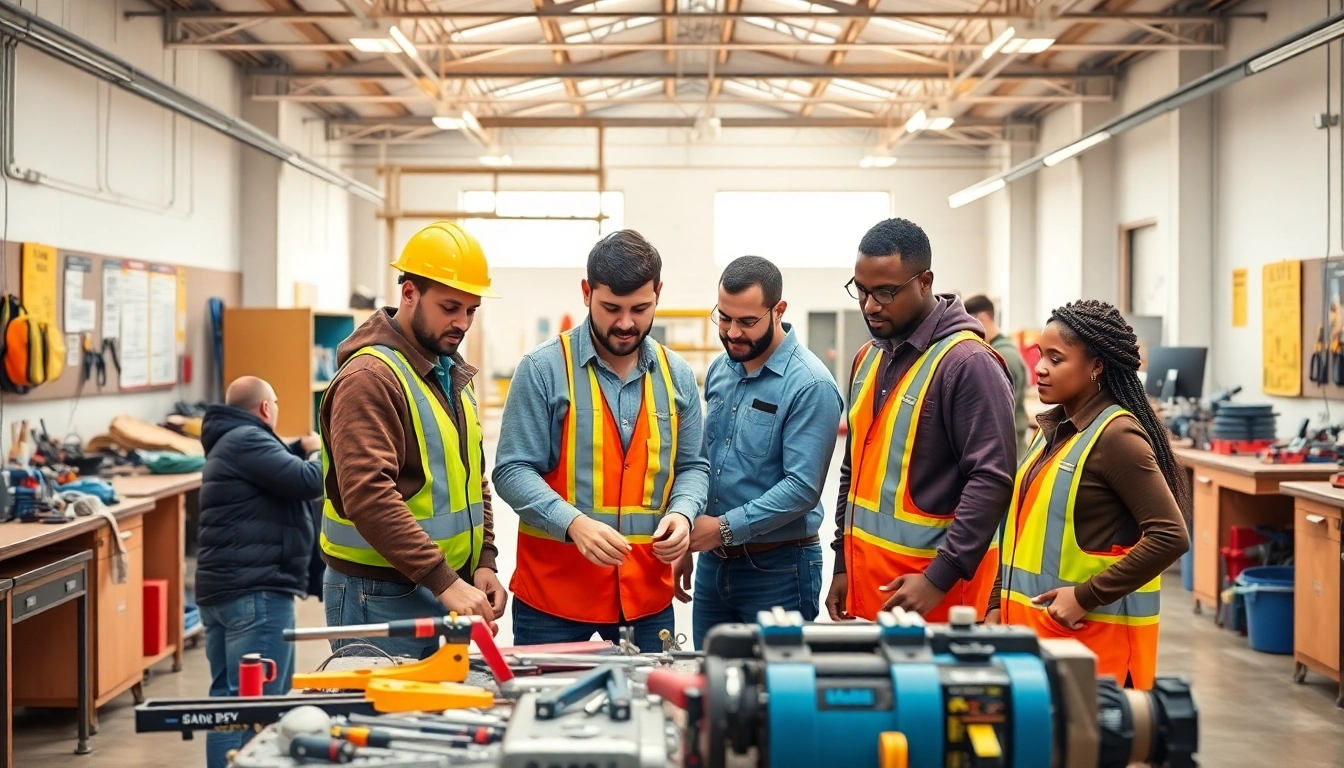
Understanding Trade Schools in Hawaii
Defining Trade Schools
Trade schools, also known as vocational schools or technical colleges, offer specialized training aimed at equipping students with the practical skills required for specific careers. Unlike traditional four-year colleges, trade schools focus on teaching hands-on skills tailored to meet the needs of the workforce, particularly in industries experiencing significant demand for skilled labor. In Hawaii, this type of education is especially relevant due to the state's unique economic landscape, which emphasizes tourism, construction, and healthcare. Trade schools in Hawaii play a pivotal role in preparing students for essential jobs and helping individuals enter the workforce swiftly with relevant qualifications.
Importance of Trade Education
The significance of trade education cannot be overstated, particularly in today's rapidly changing job market. While traditional degrees have their merit, many industries, especially in Hawaii, require specific technical skills that can often be acquired more efficiently through trade schools. These educational institutions provide students with targeted training, allowing them to become job-ready in a fraction of the time and at a fraction of the cost of a traditional college education. In Hawaii, where housing and living costs are high, trade education offers a viable path toward economic stability for many residents.
Target Audience for Trade Schools
Trade schools cater to a diverse range of students. This includes high school graduates seeking immediate employment, career changers looking to gain new skills, and professionals aiming to enhance their qualifications. Additionally, non-traditional students, such as parents re-entering the workforce after raising children, often find trade schools appealing due to their flexible schedules and hands-on learning approaches. By attracting individuals with varying backgrounds and goals, trade schools in Hawaii serve as a critical touchpoint for workforce development and economic growth.
Benefits of Enrolling in Trade Schools in Hawaii
Hands-On Training Opportunities
One of the primary benefits of trade schools is that they emphasize experiential learning. Students get the opportunity to engage in hands-on training that directly relates to their chosen field. This practical experience is invaluable since it not only helps students learn the necessary skills but also builds confidence in their ability to perform job-related tasks. For instance, construction and building trade students participate in real-world projects, while healthcare students may engage in clinical rotations. Such immersive training prepares graduates to meet the expectations of employers upon graduation.
Cost-Effective Education Paths
Trade schools are typically more affordable than traditional college institutions. With lower tuition rates and shorter program durations, students can avoid accumulating large amounts of debt. In Hawaii, where financial constraints are significant for many families, trade schools provide a more accessible route to a stable career. Many programs also offer flexible payment options and financial aid opportunities, making it easier for students to manage their educational expenses. This cost-effectiveness is a critical factor for many prospective students in deciding on their educational pathways, as it enables them to invest in their futures without compromising their financial stability.
Strong Job Placement Programs
Trade schools often maintain strong relationships with local businesses, which can be a significant advantage for students. Many institutions provide job placement assistance, helping graduates secure employment shortly after completing their programs. This support can include resume workshops, interview preparation, and job fairs that connect students directly with potential employers in their fields. In Hawaii, a locale with a unique job market, having access to these resources can be particularly beneficial as it helps students transition smoothly from education to employment.
Popular Trade Programs Offered
Construction and Building Trades
The construction industry is a vital part of Hawaii's economy, driven by ongoing development projects and a continuous demand for skilled labor. Trade schools in Hawaii offer comprehensive programs that teach students the necessary skills for careers in carpentry, plumbing, electrical work, and masonry. Students undertake courses that cover the basics of construction while also learning about the latest technologies and practices in the field. By choosing a program in construction and building trades, students equip themselves with knowledge and skills that are consistently in demand across the islands.
Health Care and Wellness Training
Healthcare remains one of the fastest-growing fields in Hawaii, generating numerous job opportunities for trained professionals. Trade schools offer specific training programs in areas such as nursing, medical assisting, and physical therapy. Given the aging population in Hawaii, healthcare professionals will be increasingly sought after in the coming years. Trade schools equip students with hands-on clinical experiences and comprehensive knowledge necessary for providing quality patient care. Graduates emerge ready to work in hospitals, clinics, and other healthcare settings.
Technology and Digital Skills
As technology continues to evolve, so does the demand for skilled individuals capable of working in various tech fields. Trade schools in Hawaii respond to this need by offering programs that cover areas such as information technology, web development, and digital marketing. Students are typically exposed to the latest tools and technologies, preparing them for careers in a market that is rapidly expanding and changing. Graduates of these programs often find themselves well-prepared for roles in IT departments, startups, and established companies across various industries.
Navigating Financial Aid for Trade Schools in Hawaii
Types of Financial Aid Available
Prospective students often express concerns regarding the financial implications of trade school education. Fortunately, numerous financial aid options are available to ease the burden of tuition costs. Students can explore federal and state grants, scholarships, work-study programs, and low-interest student loans. Many trade schools also have financial aid advisors who guide students through the application process to ensure they find the assistance they need. With careful planning, many students can attend trade school without incurring significant debt, which is critical for maintaining financial stability post-graduation.
Scholarship Opportunities Specific to Hawaii
Hawaii offers various scholarship opportunities specifically targeted at residents seeking vocational training. These scholarships can come from local businesses, non-profits, and educational institutions looking to support workforce development in the state. Students can come across programs like the Hawaii Community Foundation’s scholarships or those offered by individual trade schools. Researching available scholarships and understanding eligibility criteria can significantly reduce the financial burden and make trade education more accessible to a broader audience.
Applying for Student Loans and Grants
When scholarships and grants do not cover the total cost of attendance, students may consider applying for federal or private student loans. Understanding the different types of loans and their repayment options is crucial. Federal loans typically offer lower interest rates and more flexible repayment plans compared to private loans. It is essential for students to assess their financial situations carefully before committing to loans, ensuring they have a feasible plan in place for repayment once they begin working. Trading off immediate costs for future success can be a wise decision when approached with careful consideration.
Success Stories: Graduates from Trade Schools in Hawaii
Career Paths of Successful Alumni
Graduates from trade schools in Hawaii often go on to have successful and fulfilling careers. Many express gratitude for the practical training they received that prepared them for their roles in various industries. For example, individuals who trained in construction have taken on leadership roles in local companies, contributing to the state's ongoing development. Similarly, healthcare graduates report landing vital roles in addressing community health needs, demonstrating the direct impact of their education on both their careers and the broader community.
Impact on the Community and Local Economy
The success of graduates from trade schools has a wider effect than just individual career advancements; it also positively influences the local economy. As these graduates enter the workforce, they fill crucial gaps in various sectors, support local businesses, and contribute to sustainable growth. Trade schools, therefore, are integral to workforce development initiatives that aim to reduce unemployment and foster economic stability within Hawaii's unique context. By providing education that aligns with the current job market, trade schools help uplift communities and the state as a whole.
Feedback from Graduates on Their Experience
Testimonials from alumni serve as valuable insights into the effectiveness and quality of trade school programs. Many report their appreciation for the personalized attention received during their training, highlighting the small class sizes and the direct mentorship from instructors. Graduates often emphasize how the practical skills gained through hands-on training sets them apart in the job market, equipping them to tackle real-world challenges confidently. Such feedback reinforces the importance of trade schools in the educational landscape, emphasizing their contribution to developing competent professionals poised for success in their careers.