Understanding Graffiti Wall Art
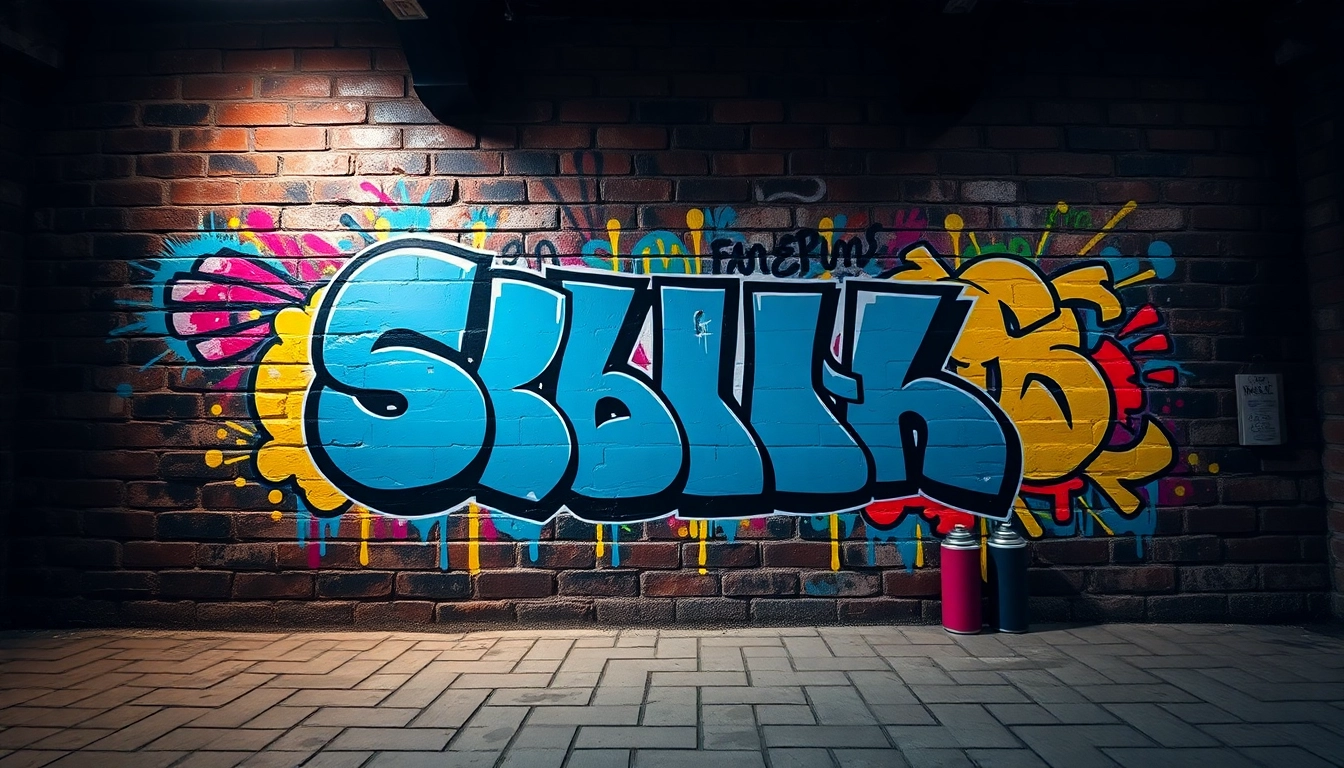
Graffiti wall art stands as a mesmerizing fusion of rebellion and creativity, often transforming ordinary urban spaces into vibrant galleries. This expressive medium transcends mere aesthetics; it encapsulates voice, culture, and identity within every stroke of paint. To appreciate this art form thoroughly, we will explore its rich history, diverse styles, and profound significance in contemporary culture, ultimately highlighting why incorporating graffiti wall art into your surroundings can enhance both ambiance and artistic appreciation.
The History and Evolution of Graffiti Art
The roots of graffiti can be traced back to ancient civilizations, where symbolic markings were used for communication and expression. Fast forward to the late 1960s and early 1970s in New York City, graffiti evolved into a powerful form of street art. It began with simple tags and quickly grew into complex murals as artists experimented with vibrant colors and intricate designs.
During the 1980s, graffiti wall art gained notoriety, with artists like Keith Haring and Jean-Michel Basquiat leading the charge into the mainstream art world. The evolution was further fueled in the 1990s with the rise of hip-hop culture, which embraced graffiti as a form of artistic expression synonymous with urban life. This period also witnessed the emergence of various styles, including wildstyle and stenciling, each developing unique characteristics and techniques.
Today, graffiti wall art continues to evolve, encompassing a myriad of styles reflecting personal and social narratives. From the walls of bustling cities to gallery exhibitions, graffiti has cemented its place as a legitimate and revered art form.
The Different Styles of Graffiti Wall Art
Graffiti wall art encompasses various styles, each with distinct characteristics and techniques. Understanding these styles can help in choosing or creating pieces that resonate most with an individual's aesthetic. Some notable styles include:
- Tagging: The most basic form, tagging includes simple signatures or names, typically executed quickly and often in public spaces.
- Throw-ups: These are more elaborate than tags and can include stylized lettering created quickly, utilizing a limited color palette.
- Wildstyle: Known for its complexity, wildstyle involves intricate lettering and interwoven designs that may challenge readability.
- Stencils: This technique employs pre-cut designs for quick and often precise application, popularized by artists like Banksy.
- Muralism: Large-scale murals often tell a story or convey a message, incorporating detailed imagery and expansive compositions.
Each style has its unique charm and appeal, making it possible to find graffiti wall art that speaks to individual tastes and the desired effect within a space.
Significance of Graffiti Wall Art in Modern Culture
Graffiti wall art serves as a powerful reflection of contemporary society, acting as a canvas for cultural expression and social commentary. It offers a platform for marginalized voices, often highlighting issues such as inequality, politics, and cultural identity. Artists utilize this medium to challenge societal norms and provoke thought among viewers.
Moreover, graffiti contributes significantly to local identities, molding the unique character of neighborhoods. City officials and communities have begun to recognize the value of graffiti art in urban revitalization efforts, leading to the designation of legal spaces for artists to express their creativity legally and safely.
In essence, graffiti wall art is not merely decoration; it is a movement, a narrative of resilience, and an assertion of one's existence within the urban landscape.
Choosing the Right Graffiti Wall Art for Your Space
When incorporating graffiti wall art into your environment, thoughtful selection is crucial to achieving harmony and enhancing the overall aesthetic. There are several factors to consider when choosing the perfect piece for your space.
Identifying Personal Aesthetics
Understanding your personal style is the first step in selecting graffiti wall art. Consider the emotions and themes you wish to convey through this art form. Do you prefer bold and vibrant colors, or are you drawn to monochromatic tones? Reflect on your taste in other artistic forms and design elements within your home or workspace, as these can guide your choices in selecting graffiti wall art that resonates with your personal aesthetics.
Considering Size and Placement
The size of the artwork plays a pivotal role in its impact. A small piece may get lost in a large space, while an oversized mural can overwhelm a compact area. Measure your wall space accurately and consider how the piece's size will interact with existing furniture, architectural features, and the overall layout of the room.
Placement is equally important. Think about the viewing angle and the context in which observers will engage with the artwork. Would it be a focal point or part of a larger arrangement? Strategic placement can enhance not only the artwork's visibility but also invite engagement and conversation.
Balancing with Existing Decor
When integrating graffiti wall art into your decor, it’s essential to strike a balance between the art and your existing interior design. Graffiti often embodies a raw, urban edge, which can contrast with more formal or traditional elements in a space. Consider how colors, motifs, and themes of the artwork will interact with current decor style and palette.
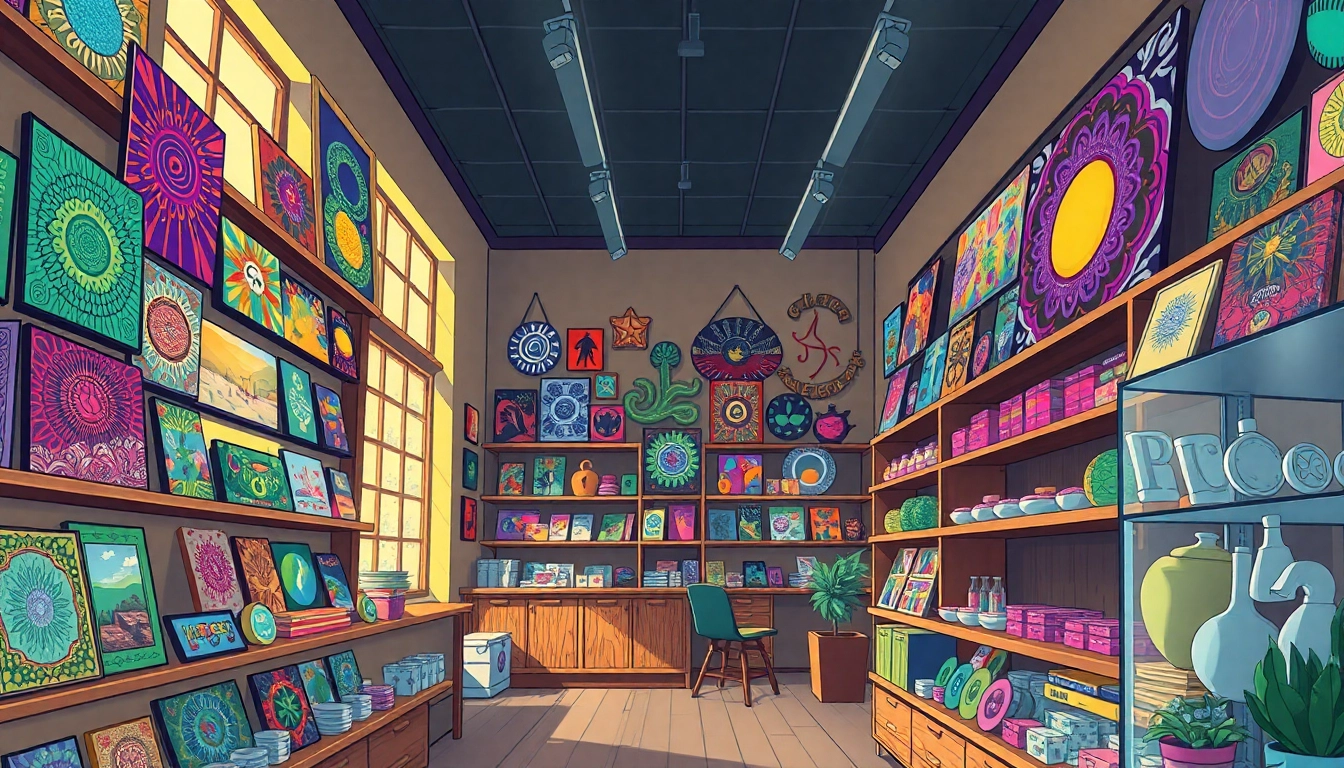
Creating a cohesive environment entails choosing graffiti that either complements or thoughtfully contrasts with your existing decor. For example, a colorful mural can serve as a vibrant accent against neutral walls or act as a statement piece in a gallery-style setting lined with frames and other artworks.
Techniques to Create Stunning Graffiti Wall Art
If you’re feeling inspired, creating your own graffiti wall art can be immensely rewarding. While it may seem intimidating, breaking the process down into manageable steps can lead to stunning results.
Essential Tools and Materials for Beginners
Successfully creating graffiti wall art requires some essential tools and materials. For beginners, consider the following items:
- Spray Paint: Choose high-quality spray paint in various colors. Consider paint with low odor and fast-drying properties.
- Stencils: Pre-made stencils can help you achieve precision, especially for intricate designs.
- Markers: Fabric or paint markers are useful for adding details or outlines to your work.
- Protective Gear: Safety glasses and masks are essential to protect yourself from paint fumes and overspray.
Step-by-Step Guide to Drawing Graffiti Wall Art
Creating graffiti wall art can be simplified into the following steps:
- Plan Your Design: Sketch your ideas on paper or digitally. This helps you visualize the scale and colors, making execution smoother.
- Prepare the Surface: Ensure the wall surface is clean and free of debris. If necessary, prime it to create a suitable base for your artwork.
- Outline Your Design: Use light chalk or pencil to outline your design directly onto the wall. This allows for adjustments before committing with paint.
- Base Layer: Start with the largest areas using spray paint. Gradually build up layers, allowing each to dry before applying the next.
- Add Details: Use markers or small cans to refine your work with intricate details and highlights, bringing your art to life.
- Final Touches: Step back to assess the piece. Make any minor adjustments or additions necessary for a polished finish.
Tips for Enhancing Color and Texture
To make your graffiti wall art stand out, consider these tips for enhancing color and texture:
- Layer Colors: Build depth by layering different shades of similar colors, which can create a dynamic visual effect.
- Add Texture: Experiment with spray techniques such as splattering or using sponges for textured applications.
- Contrast: Use contrasting colors to make certain aspects pop, guiding the viewer’s eye through the composition.
- Finishing Coats: After the artwork is complete, consider adding a protective clear coat to enhance gloss and protect from the elements.
Maintaining and Preserving Graffiti Wall Art
To ensure that your graffiti wall art stays vibrant and intact over time, proper maintenance and preservation techniques are vital.
Protective Coatings and Sealants
Applying a protective coating can significantly extend the life of your graffiti art. Clear sealants not only enhance gloss but also shield against UV rays, dirt, and moisture. There are several types of coatings available, so it’s essential to choose one that suits your artwork's requirements, considering both the finish and the environment it’s exposed to.
Cleaning Techniques for Lasting Quality
Regular cleaning can help maintain the integrity and vibrancy of your graffiti wall art. For most surfaces, use a soft brush or microfiber cloth to remove dust and debris. If your art is exposed to graffiti or tagging, specialized graffiti removers can effectively eliminate unwanted markings without damaging your original artwork.
Restoration Tips for Fading Paint
If your graffiti wall art begins to show signs of fading, there are ways to restore it. First, assess the extent of the fading. In areas where the color has diminished, matching the original paint and lightly retouching can rejuvenate the piece. Additionally, layers of clear coating can help protect against future fading and keep your artwork looking fresh.
Showcasing Your Graffiti Wall Art
Once you have chosen or created your graffiti wall art, showcasing it effectively is vital to fully appreciate its impact.
Ideas for Unique Display Spaces
Think outside the box when it comes to displaying your graffiti wall art. Consider the following ideas:
- Accent Walls: Use one wall as a dedicated space for your graffiti art, making it a focal point of the room.
- Outdoor Spaces: Graffiti can thrive in outdoor environments; consider creating a mural in a garden or on a patio.
- Community Spaces: Collaborate with local organizations to showcase your art in public spaces, fostering community engagement.
Integrating Graffiti Art into Events and Festivals
Graffiti wall art can serve as an engaging element during events and festivals. Consider creating live art installations where artists showcase their talent before an audience. This not only entertains but also elevates the event's overall vibe while allowing attendees to appreciate the artistry and the creative process firsthand.
Engaging with the Local Art Community
Connecting with local artist collectives and groups can enhance your appreciation for graffiti wall art. Participating in workshops, exhibitions, or local contests allows you to network with fellow art enthusiasts and gain deeper insights into the intricacies of this art form. Supporting local graffiti artists goes beyond mere admiration; it fosters a sense of community and shared creativity that is invaluable in urban environments.