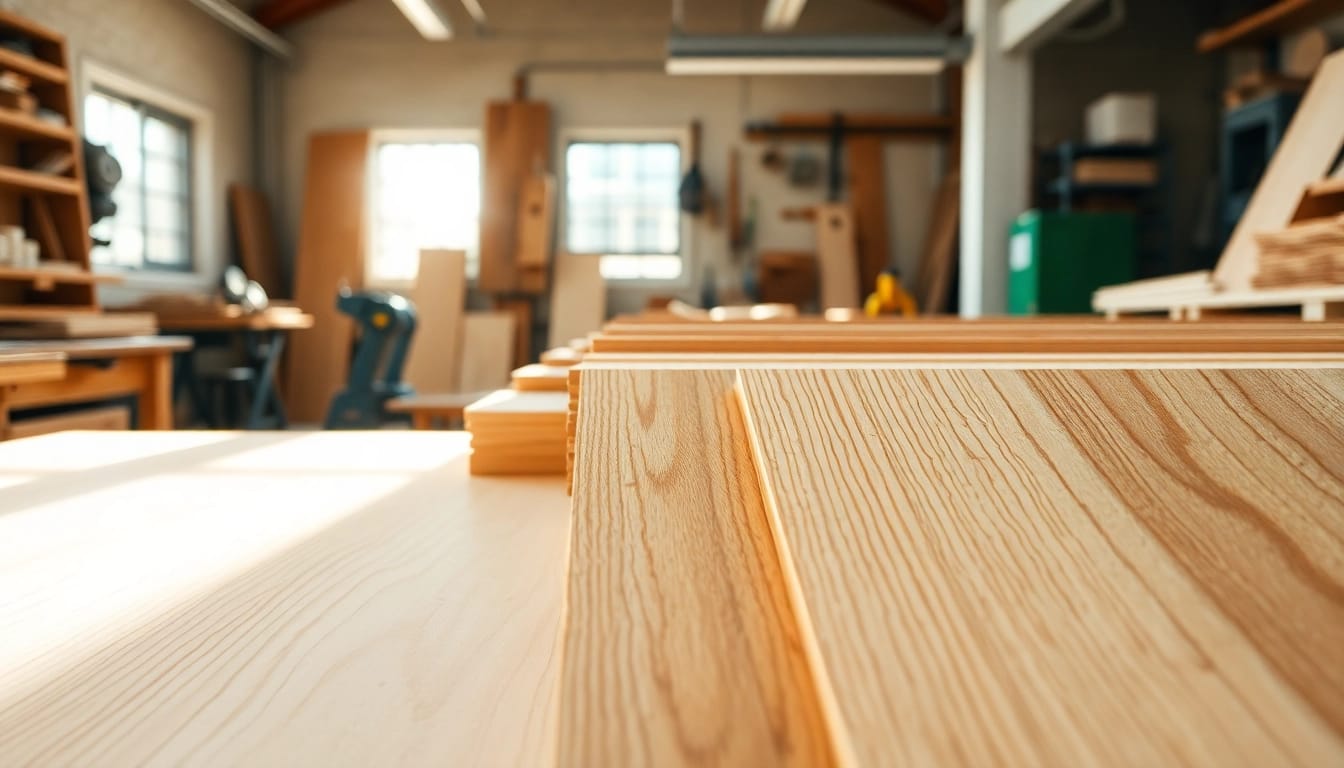
Understanding Hardwood Veneer Sheets
What Are Hardwood Veneer Sheets?
Hardwood veneer sheets are thin slices of hardwood that are typically less than 3mm thick. They are produced by slicing or peeling logs into flat sheets that capture the natural beauty of the wood grain. These sheets are often used in applications where solid wood is not practical or feasible due to cost or structural considerations. Because they offer the visual appeal of solid wood at a fraction of the cost, hardwood veneer sheets are a popular choice among both professionals and DIY enthusiasts.
The Benefits of Using Hardwood Veneer Sheets
Utilizing hardwood veneer sheets comes with numerous advantages. First and foremost, they provide an authentic wood appearance while significantly reducing costs associated with solid lumber. Additionally, they are environmentally friendly since they require less raw material to produce. Lightweight and easy to handle, hardwood veneer sheets also allow for more versatile applications. For example, they can be applied to surfaces that would otherwise be difficult to fit with solid wood such as curved or irregular shapes.
How Hardwood Veneer Sheets Differ from Solid Wood
While both hardwood veneer sheets and solid wood offer aesthetic appeal, several key differences set them apart. Solid wood is more durable and suitable for high-stress applications, whereas veneer is thinner and generally used as a decorative surface layer. Solid wood reacts to changes in humidity and temperature, which can lead to warping or cracking; veneer is less likely to suffer from these issues but requires careful application to maintain its appearance. Ultimately, the choice between hardwood veneer sheets and solid wood will depend on specific project requirements, budget considerations, and personal preference.
Varieties of Hardwood Veneer Sheets
Popular Types of Hardwood Veneer Sheets
There is a wide variety of hardwood veneer sheets available, reflecting the diverse nature of hardwood species. Commonly used types include oak, maple, cherry, walnut, and birch. Each species possesses unique grain patterns and colors, providing various aesthetic options. For instance, oak veneer displays a prominent grain and is often used for rustic applications, while walnut veneer offers a rich, dark hue that adds elegance to furniture pieces. Understanding the characteristics of each hardwood type will guide you in selecting the ideal veneer for your project.
How to Choose the Right Hardwood Veneer Sheets for Your Project
When selecting hardwood veneer sheets, consider the intended application alongside aesthetic preferences. Think about the project’s requirements and the durability needed. If the veneer will be exposed to wear and tear, options such as oak or hickory may be ideal due to their hardness. Additionally, evaluate the grain patterns and finishes – some may be more suitable for staining while others are designed to maintain their natural tone. Always sample a few veneers to visually assess how they work with your design vision.
Grain Patterns and Aesthetics in Hardwood Veneer Sheets
The grain pattern and aesthetics of hardwood veneer sheets play an essential role in design. Different woods exhibit distinctive patterns such as straight, curly, or wavy grains, influencing the overall look of the final product. For example, a quarter-sawn oak veneer provides a linear appearance, while a plain-sawn variety offers a more cathedral-like pattern. When working on design projects, considering how grain patterns interact with light and space can enhance the visual appeal of your work significantly, creating depth and richness in your designs.
Application Techniques for Hardwood Veneer Sheets
Tools Required for Working with Hardwood Veneer Sheets
Working with hardwood veneer sheets requires specific tools for efficient application. A utility knife or veneer saw is essential for cutting the veneer to size, ensuring clean edges without splintering. Additionally, clamps for securing the sheets during adhesion will provide a strong bond when applying to substrates. Depending on the project, other tools such as a router for edge profiling, a veneer hammer for smoothing, and a roller or scrubber for applying adhesives may be necessary.
Step-by-Step Guide to Applying Hardwood Veneer Sheets
To apply hardwood veneer sheets successfully, follow these steps:
- Prepare the base surface by ensuring it is clean, dry, and smooth.
- Measure and cut the veneer sheets to the required size, leaving a small overhang.
- Apply adhesive evenly on both the veneer and the substrate.
- Position the veneer sheet carefully, ensuring proper alignment.
- Use clamps or weights to press the veneer against the substrate and hold it in place, allowing the adhesive to cure.
- Trim excess veneer once the adhesive is fully set.
- Finish by sanding edges and applying a topcoat if desired.
Common Mistakes When Using Hardwood Veneer Sheets
Several common pitfalls exist when working with hardwood veneer sheets. One of the most significant mistakes is applying the adhesive unevenly, which can result in bubbles or delamination. Additionally, failing to allow sufficient curing time before handling can compromise the bond. It's also crucial to keep veneer sheets properly stored away from moisture and direct sunlight, as these can cause warping or discoloration. Finally, pay attention when trimming excess material to avoid damaging the veneer.
Maintenance and Care for Hardwood Veneer Sheets
Cleaning Tips for Hardwood Veneer Sheets
Maintaining hardwood veneer sheets involves regular cleaning to preserve their appearance. Use a soft, damp cloth for surface dust removal, and avoid abrasive cleaners that could scratch the finish. For deeper cleaning, a mixture of mild soap and water can be used—ensure to dry any excess moisture immediately. Implementing routine cleaning will help maintain the natural beauty of the veneer and extend its lifespan.
Long-term Care Practices for Hardwood Veneer Sheets
For long-term care of hardwood veneer sheets, place protective pads under items placed on surfaces to avoid scratches. Direct sunlight can fade or damage finishes, so consider using window treatments. Additionally, keep humidity levels consistent in the environment to prevent warping and cracking. Regularly examine and reapply finish coats as needed to protect the veneer from wear.
How to Repair Damaged Hardwood Veneer Sheets
If your hardwood veneer sheets become damaged, quick action can prevent further issues. For minor scratches, a wood filler or matching stain can effectively disguise the blemish. For more significant damage, carefully remove the affected piece of veneer and replace it by cutting a new piece to fit. Apply adhesive, clamp in place, and finish as needed. Regular checks will help identify and address issues before they escalate.
Frequently Asked Questions About Hardwood Veneer Sheets
What are the best uses for hardwood veneer sheets?
Hardwood veneer sheets are ideal for furniture surfaces, cabinetry, decorative wall panels, and crafting intricate designs in woodworking projects.
How do I finish hardwood veneer sheets?
To finish hardwood veneer sheets, sand the surface lightly and apply a suitable finish such as varnish, lacquer, or oil, allowing each coat to dry thoroughly.
Can hardwood veneer sheets be stained?
Yes, hardwood veneer sheets can be stained. However, ensure to test the stain on a scrap piece first to assess how it will react with the veneer.
Are hardwood veneer sheets eco-friendly?
Yes, hardwood veneer sheets are considered eco-friendly as they use less wood than solid lumber surfaces, contributing to sustainable forest management practices.
What is the average lifespan of hardwood veneer sheets?
The lifespan of hardwood veneer sheets varies but can last for many years, especially with proper maintenance and care, often outlasting lower-quality materials.
For those seeking high-quality, visually stunning options in woodworking, hardwood veneer sheets offer an ideal solution. Through understanding their properties, applications, and care, you can utilize them to enhance various projects effectively.