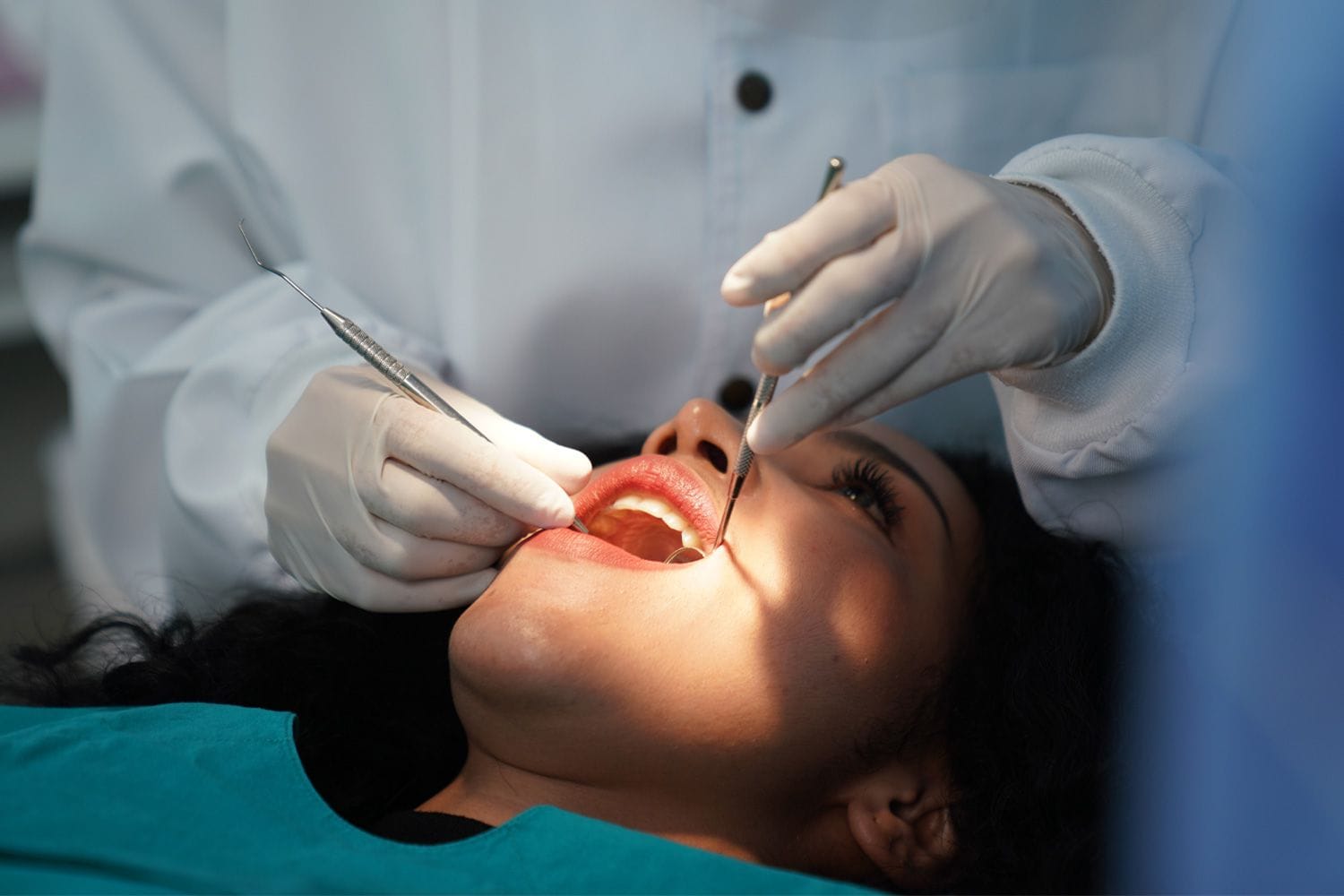
Understanding Orthodontics
What is Orthodontics?
Orthodontics is a specialized field of dentistry focused on diagnosing, preventing, and treating dental and facial irregularities. It primarily involves the management of misaligned teeth and jaws. By employing various devices such as braces, clear aligners, and retainers, orthodontists work to correct bite issues, improve oral function, and enhance the aesthetic appearance of teeth. An experienced edmonton orthodontist can create customized treatment plans that cater to your specific orthodontic needs.
Common Orthodontic Issues
Orthodontic issues can affect individuals of all ages, and recognizing these problems early can prevent more significant complications down the road. Some common orthodontic issues include:
- Malocclusion: Refers to misalignment of the teeth, often categorized as overbite, underbite, crossbite, or open bite.
- Crowded Teeth: Occurs when there is insufficient space in the jaw for the teeth to align properly.
- Spacing Issues: Gaps between teeth can arise from missing teeth or the natural growth process.
- Protruded Teeth: Teeth that extend beyond their proper alignment, often influencing the bite.
The Benefits of Seeking an Edmonton Orthodontist
Seeking orthodontic treatment offers numerous benefits beyond just an attractive smile. Some of these include:
- Improved Oral Health: Properly aligned teeth are easier to clean and can significantly reduce the risk of cavities and gum disease.
- Enhanced Functionality: Correcting bite issues can improve your ability to chew and speak, enhancing overall functionality.
- Boosted Confidence: A straight smile can greatly increase self-esteem and positively impact personal and professional interactions.
- Long-term Investment: Orthodontic treatment can prevent future dental issues, saving potential costs associated with repairs or further treatments.
How to Choose the Right Edmonton Orthodontist
Qualifications and Experience to Look For
When selecting an orthodontist, it is crucial to consider their qualifications and experience. Look for professionals who are certified by the Canadian Association of Orthodontists (CAO) and have completed additional training in orthodontics. A well-qualified Edmonton orthodontist will have experience with different treatment options and be skilled in advanced techniques, providing the best possible care.
Patient Reviews and Testimonials
Reading patient reviews and testimonials can provide insightful information about the orthodontist's practice. Look for feedback regarding the quality of care, the staff’s professionalism, and the success of various treatment approaches. A trustworthy orthodontist will often showcase positive testimonials on their website, and it is beneficial to check third-party review platforms for unbiased opinions. This can assist you in making an informed decision.
Consultation and Initial Assessment
A consultation is an essential step in selecting the right orthodontist. During this initial visit, the orthodontist will assess your dental health, discuss your goals, and develop a treatment plan tailored to your needs. Take this opportunity to ask questions about the recommended treatments and clarify any concerns. A good orthodontist will communicate openly, ensuring that you are comfortable with the proposed plan.
Popular Orthodontic Treatments
Traditional Braces vs. Clear Aligners
Traditional braces and clear aligners are two of the most common orthodontic treatments available. Traditional braces consist of metal brackets and wires, providing a strong and effective means of correcting a variety of malocclusions.
Clear aligners, such as Invisalign, are a more aesthetic alternative, made from a transparent plastic material. Orthodontists often recommend aligners for mild to moderate alignment issues, as they are less noticeable and removable. The choice between braces and aligners ultimately depends on the severity of the orthodontic problem and the patient's lifestyle preferences.
Invisalign and Its Advantages
Invisalign has surged in popularity due to its many advantages. Some key benefits include:
- Discreet Appearance: Made from clear plastic, aligners are virtually invisible during wear.
- Comfortable Fit: Unlike traditional braces, aligners do not have metal parts that can irritate the mouth and gums.
- Removable: Aligners can be taken off while eating, drinking, and brushing, promoting better oral hygiene.
- Customizable Plans: Treatment plans are tailored specifically to each patient’s needs, using advanced 3D imaging technology.
Retainers: Post-Treatment Care
Once active orthodontic treatment concludes, retainers play a crucial role in maintaining the achieved results. Retainers help prevent teeth from shifting back to their original positions. It is common to wear retainers full-time initially, transitioning to part-time wear as directed by your orthodontist. Proper maintenance of retainers is essential, as neglect can lead to bacteria buildup and potential dental issues.
What to Expect During Treatment
Initial Visits and Setups
Your orthodontic journey begins with an initial visit where detailed records of your dental health will be taken. This may include photographs, X-rays, and impressions of your teeth. Based on this information, your Edmonton orthodontist will develop a personalized treatment plan. They will explain the expected duration of treatment, the types of appliances involved, and the overall process involved.
Regular Check-ups
Regular check-ups are vital for monitoring your progress throughout treatment. During these visits, the orthodontist may adjust braces or assess the fit of aligners. Consistent appointments allow for necessary adjustments and ensure that the treatment is progressing as planned. Typically, visits are scheduled every four to six weeks, depending on the specific treatment.
Managing Discomfort and Care Tips
During orthodontic treatment, some discomfort, particularly after adjustments, is common. Over-the-counter pain relievers can alleviate mild discomfort. Additionally, maintaining oral hygiene becomes even more critical—patients should brush and floss regularly, paying particular attention to areas around braces or aligners. Using orthodontic wax can soothe any irritation caused by braces on the gums and cheeks.
Frequently Asked Questions
What age should my child see an orthodontist?
The Canadian Association of Orthodontists recommends that children have their first orthodontic evaluation by age 7. Early assessment allows orthodontists to identify potential issues and monitor growth patterns.
How long do I need to wear braces?
The duration of braces treatment can vary, but most patients wear braces for about 18 to 36 months. Factors such as the severity of misalignment and treatment goals will influence the overall timeline.
Are orthodontic treatments painful?
While some discomfort is common, especially after adjustments, orthodontic treatments are generally manageable. Pain typically subsides within a few days and can often be controlled with over-the-counter medications.
What are the costs associated with treatment?
The cost of orthodontic treatment varies based on complexity, type of treatment, and duration. On average, braces can range from $3,000 to $8,000. Many offices offer flexible payment plans to make treatment more accessible.
Can adults benefit from orthodontic treatment?
Absolutely! Many adults pursue orthodontic treatment to improve both function and aesthetics. With advancements in treatments like clear aligners, adults have more options than ever to achieve their desired smile.