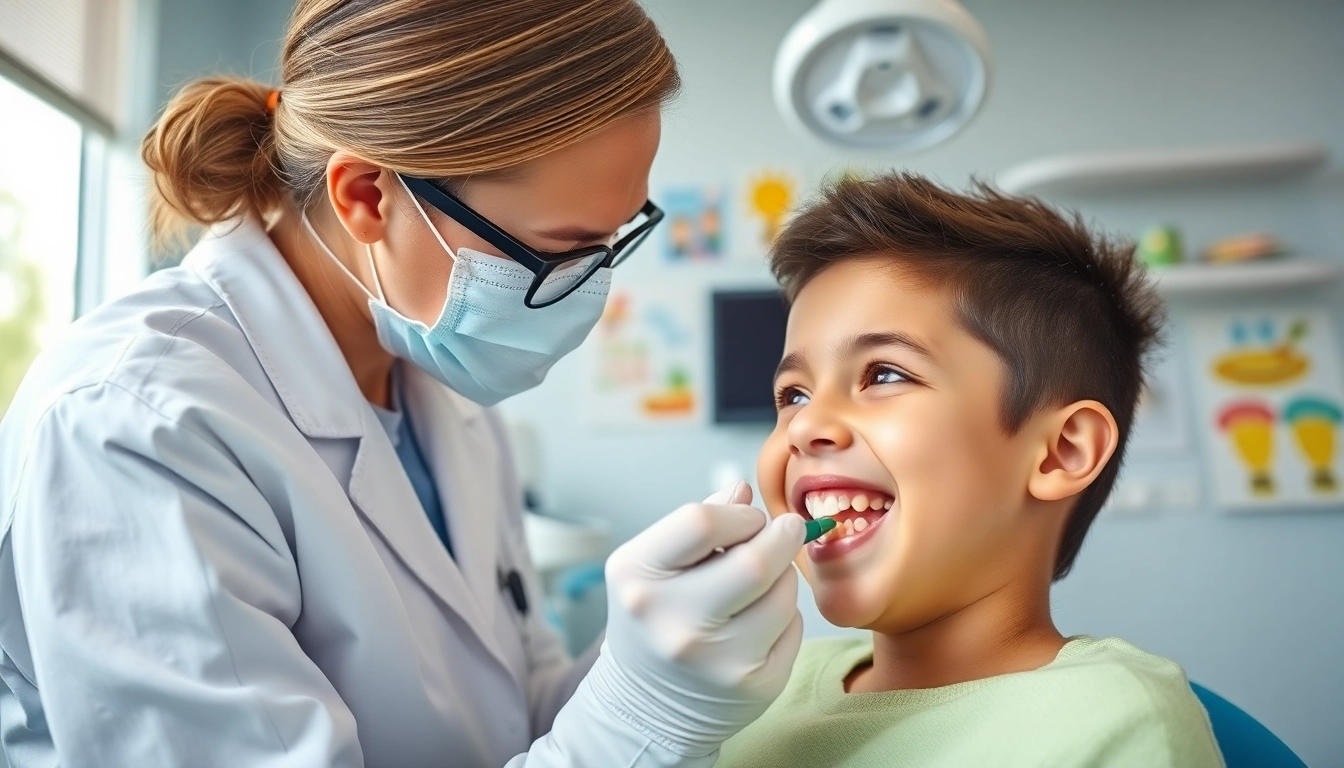
Understanding Early Orthodontic Treatment
Orthodontic treatment is often perceived as a crucial step for aligning and straightening teeth, but it can extend well beyond aesthetic benefits. Early orthodontic intervention, typically starting around age 7, can profoundly impact a child's dental health and development. For those residing in Hawthorn, accessing a Hawthorn orthodontist for children can set the foundation for a lifetime of healthy smiles.
Why Early Assessment Matters
Early assessment is crucial because it allows orthodontists to monitor and evaluate the growth patterns of a child’s teeth and jaws. By identifying potential issues early, orthodontists can recommend timely interventions that may reduce the need for more extensive treatments later on. Studies have shown that children who receive early evaluations are less likely to require surgery and can benefit from more effective treatment plans tailored to their developmental stage.
Common Issues in Children's Dental Development
Several common dental development issues can be detected through early orthodontic assessments:
- Overcrowding: Insufficient space can lead to crooked teeth.
- Overbite and Underbite: Misalignment of the upper and lower jaws can affect chewing and speech.
- Crossbites: Where teeth from one jaw sit inside the teeth of the opposing jaw, leading to uneven wear and potential jaw pain.
- Spacing Issues: Gaps between teeth can impact speech, appearance, or lead to dental drift.
Benefits of Early Intervention
The advantages of early orthodontic treatment are numerous:
- Preventing Future Issues: Early treatment can prevent the progression of dental problems, thus saving your child from more complex procedures later.
- Improving Oral Health: Proper alignment helps with oral hygiene, making it easier to clean teeth and reducing the risk of cavities and gum disease.
- Confidence Boost: Addressing visible alignment issues can enhance a child's self-esteem.
- Better Functionality: Early interventions often enhance the function of teeth, improving chewing and speech articulation.
What to Expect from Your First Visit
The first orthodontic visit can often feel daunting for both parents and children. Knowing what to expect can help ease anxiety and ensure a productive appointment.
Preparing Your Child for the Appointment
Before visiting the orthodontist, prepare your child by discussing the process in a positive light. Explain that the visit is to help their teeth grow straight and healthy. You may also want to encourage them to ask questions and voice any concerns they may have.
Common Procedures Explained
During the initial consultation, the orthodontist will conduct a comprehensive evaluation, which may include:
- Medical History Review: Understanding previous dental work or existing health conditions.
- Physical Examination: Assessment of teeth positioning and jaw alignment.
- X-rays: Employed to provide a comprehensive view of the teeth, roots, and jaw structure.
Understanding Diagnostic Tools
Advanced diagnostic tools like 3D imaging and digital scans can offer a clearer picture of your child's dental structure, allowing for a more tailored treatment approach. Moreover, these technologies help visualize treatment plans effectively, making it easier for you and your child to understand the path forward.
Choosing a Hawthorn Orthodontist for Children
Choosing the right orthodontist is critical in ensuring your child receives optimal care. Knowing what to look for can simplify the decision-making process.
Key Qualifications to Look For
When selecting a Hawthorn orthodontist for children, consider the following qualifications:
- Board Certification: Ensures the orthodontist has completed the required education and training.
- Experience with Children: The orthodontist should have a track record of working effectively with young patients.
- Continuing Education: An orthodontist who stays updated with the latest techniques is likely to offer better care.
Questions to Ask During the Consultation
During your consultation, you should have a list of questions ready, including:
- What are the estimated costs of treatment?
- How long do you anticipate treatment will take?
- What treatment options do you recommend based on my child’s needs?
Reading Reviews and Testimonials
Look for online reviews and patient testimonials to gauge the experiences of other families. Direct feedback can provide valuable insights into the orthodontist’s practice, atmosphere, and patient care approach.
Types of Treatments Available
Orthodontics offers various treatment options tailored to specific conditions and patient needs.
Traditional Braces vs. Clear Aligners
Traditional braces are still one of the most effective methods for correcting alignment issues. They consist of metal brackets and wires that gradually shift teeth into the desired position. Meanwhile, clear aligners offer a discreet alternative, made of transparent plastic that is removable, thus making oral hygiene easier. Choosing between these options will depend on your child’s specific needs, lifestyle, and preferences.
Retainers and Their Role
After significant orthodontic treatment, retainers help ensure teeth remain in their new positions. There are various types of retainers (fixed and removable), and your orthodontist will provide guidance on how long and when they should be used to achieve optimal results.
Orthodontic Appliances for Special Cases
For children with specific dental issues or jaw discrepancies, additional orthodontic appliances may be necessary. These devices can include expanders to widen the dental arch, spacers to create room for erupting teeth, or functional appliances that help correct jaw growth discrepancies.
Maintaining Oral Health During Treatment
Orthodontic treatment requires a commitment to oral hygiene to ensure your child’s overall health is maintained throughout the process. This includes diligent daily care and routine dental visits.
Daily Care Tips for Braces
Children with braces should follow certain care guidelines to ensure their oral health is maintained:
- Brush teeth after every meal to prevent plaque buildup.
- Use a soft-bristled toothbrush and fluoride toothpaste.
- Utilize floss or interdental brushes to clean between braces and teeth.
Nutrition and Its Impact
Diet plays a crucial role in the success of orthodontic treatment. Encourage your child to avoid hard, sticky, or sugary foods that can damage braces or promote cavities. Instead, opt for softer foods that are easier on the teeth.
Regular Check-ups and Adjustments
Regular orthodontic visits are essential for monitoring treatment progress. Adjustments are typically needed every 4-6 weeks, allowing the orthodontist to make necessary changes and keep the treatment on track. Consistency in attending these appointments enhances treatment effectiveness.
Frequently Asked Questions
What age should my child first see an orthodontist?
Children should see an orthodontist by age 7 for early evaluation, allowing early identification of potential issues.
How long does treatment usually last?
Treatment duration varies but typically lasts 1-3 years, depending on the child's specific needs and orthodontic goals.
Are there alternatives to traditional braces?
Yes, options like clear aligners provide effective treatment without the visibility of metal braces, catering to aesthetic preferences.
Will my child experience discomfort during treatment?
Some discomfort is common initially, particularly after adjustments, but it usually subsides within a few days as the teeth adapt.
How can we manage oral hygiene with braces?
Use a soft toothbrush and special cleaning tools like floss threaders to maintain oral hygiene, preventing cavities and gum disease.