
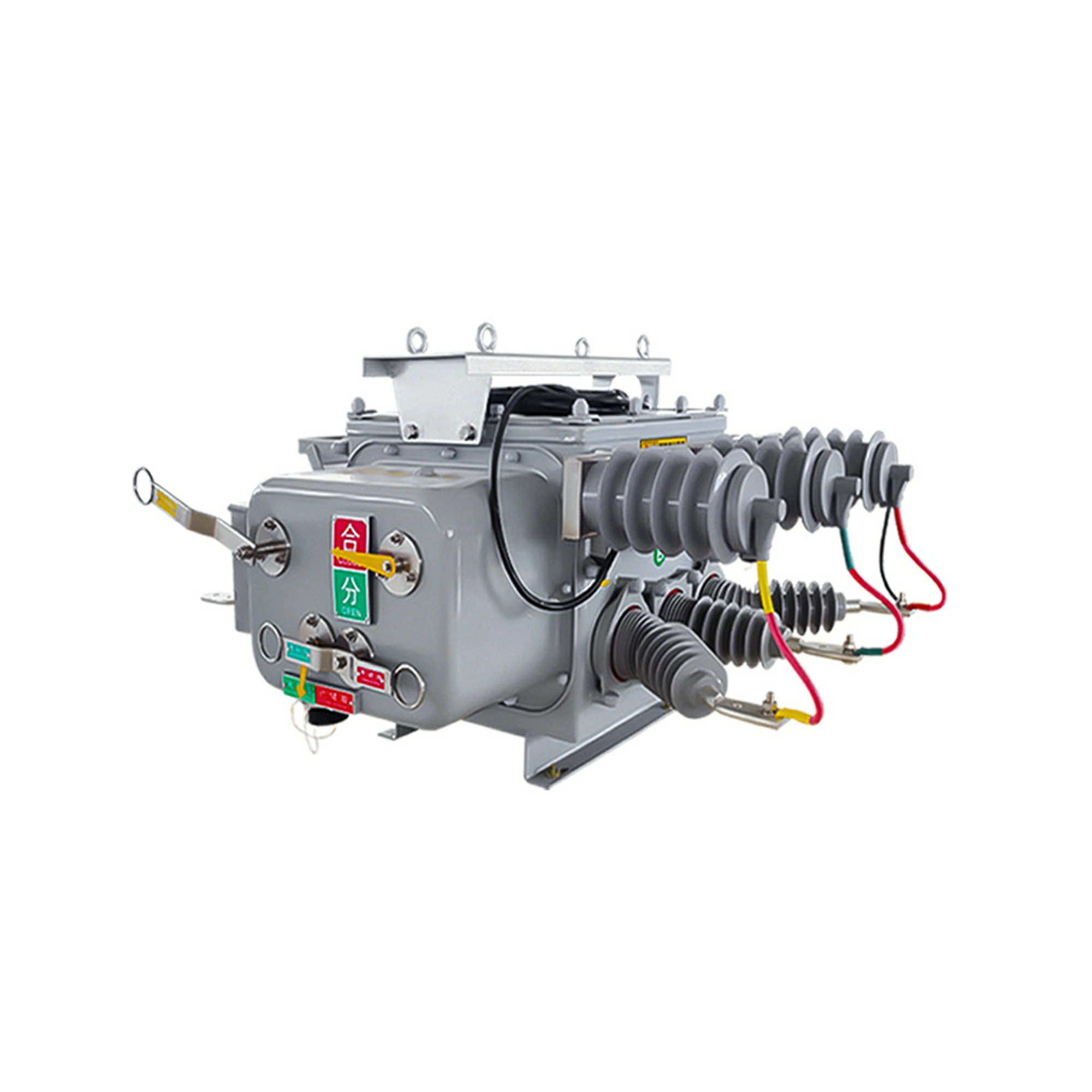
Selecting the right vacuum circuit breaker is essential for ensuring the safety, reliability, and efficiency of your electrical system. Whether you are managing industrial machinery, commercial power distribution, or utility networks, the proper Vacuum circuit breaker protects equipment from overloads and short circuits while minimizing downtime.
What is a Vacuum Circuit Breaker?
A vacuum circuit breaker (VCB) is an electrical switch designed to interrupt current during fault conditions. Unlike air or oil-based breakers, a vacuum circuit breaker extinguishes the electrical arc in a vacuum chamber. This prevents contact oxidation, reduces wear, and ensures long-term, maintenance-free performance, making it an ideal choice for medium-voltage systems.
Factors to Consider When Choosing a Vacuum Circuit Breaker
1. Voltage Rating
The voltage rating of a vacuum circuit breaker must match your system’s requirements. Selecting a breaker with the correct voltage ensures safe operation under normal and fault conditions. Medium-voltage vacuum circuit breakers are typically designed for systems ranging from 1 kV to 38 kV.
2. Interrupting Capacity
Interrupting capacity is critical when choosing a vacuum circuit breaker. It defines the maximum fault current the breaker can safely interrupt. Always select a breaker with a margin above the expected fault current to ensure reliable system protection.
3. Mechanical and Electrical Life
A vacuum circuit breaker offers long mechanical and electrical life. Mechanical life refers to the number of operations the breaker can perform, while electrical life indicates the number of fault interruptions it can handle. Ensuring adequate life cycles prevents premature failure and ensures consistent safety.
4. Environmental Considerations
Industrial and commercial environments can be harsh, with temperature fluctuations, dust, or humidity. A vacuum circuit breaker designed to withstand these conditions ensures reliable performance and enhances electrical system safety.
5. Maintenance Requirements
One of the advantages of a vacuum circuit breaker is its low maintenance needs. Sealed vacuum interrupters protect contacts from contaminants, reducing inspection frequency and operational costs. Choosing a low-maintenance breaker enhances reliability and reduces downtime.
Applications of Vacuum Circuit Breakers
Vacuum circuit breakers are used across a variety of applications, including industrial plants, commercial buildings, and utility substations. They protect motors, transformers, switchgear, and distribution networks. By choosing the right vacuum circuit breaker, operators can ensure reliable power, minimize downtime, and safeguard critical equipment.
Benefits of Selecting the Right Vacuum Circuit Breaker
A properly chosen vacuum circuit breaker delivers several advantages:
- Rapid fault interruption for enhanced safety
- Long service life and minimal maintenance
- Compact design for easier installation
- Environmental safety compared to oil-based breakers
These benefits make the vacuum circuit breaker a preferred choice for modern electrical systems.
Conclusion
Choosing the right vacuum circuit breaker for your system is vital for protecting equipment, ensuring safety, and maintaining operational efficiency. By considering voltage rating, interrupting capacity, mechanical life, environmental conditions, and maintenance requirements, you can select a vacuum circuit breaker that meets your system’s specific needs. Investing in the right vacuum circuit breaker guarantees reliable, safe, and long-lasting electrical protection.