
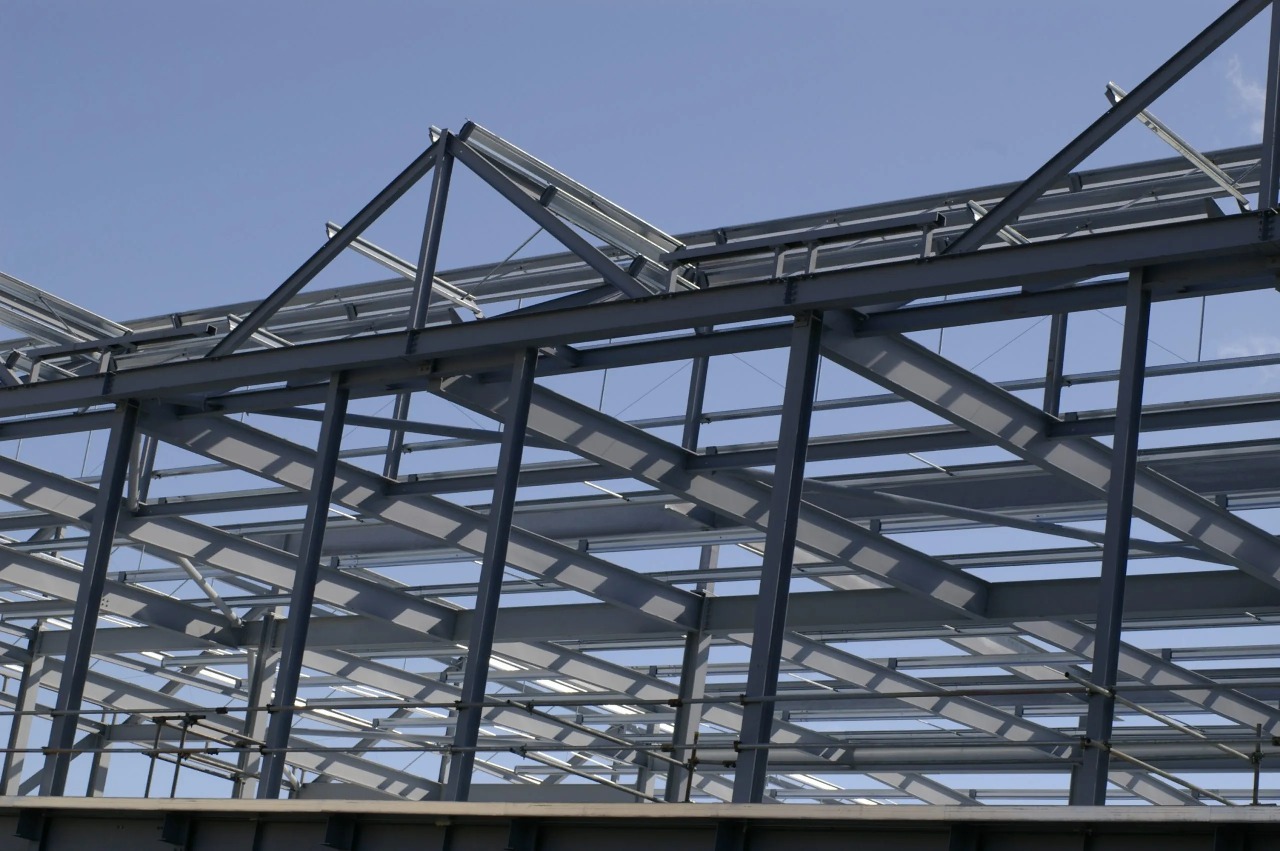
Introduction to Steel Structure Design Challenges
Steel structure design is a critical aspect of modern construction, ensuring buildings are both durable and safe. Despite its advantages, professionals in the industry often face multiple challenges during the design and implementation process. Understanding these challenges is essential for engineers, architects, and construction teams to achieve effective and reliable outcomes. This article explores common obstacles in steel structure design and provides practical solutions to overcome them.
Understanding Material Limitations in Steel Structure Design
One of the primary challenges in steel structure design is dealing with material limitations. While steel is strong and versatile, it has inherent constraints such as susceptibility to corrosion, fatigue under repeated loads, and temperature sensitivity. Designers must carefully select the right grade of steel and apply protective coatings to prevent deterioration. Advanced modeling tools can simulate real-world conditions, helping engineers anticipate material behavior and optimize the steel structure design for long-term performance.
Addressing Load Distribution and Structural Stability
Another significant challenge in steel structure design is ensuring proper load distribution and overall stability. Improper calculations can lead to structural failure or excessive deflection. Engineers must analyze load paths, including dead loads, live loads, wind loads, and seismic forces. Utilizing structural analysis software and adhering to established building codes ensures that the steel structure design maintains stability under all expected conditions. Regular peer reviews and cross-checking calculations also reduce the risk of errors.
Managing Cost and Budget Constraints
Cost management is often a challenge in steel structure design projects. High-quality steel and advanced fabrication methods can increase overall project costs. To overcome this, designers must balance material selection, design efficiency, and construction techniques. Prefabrication and modular steel components can reduce labor costs and construction time. Early collaboration between designers, fabricators, and contractors ensures that the steel structure design remains cost-effective without compromising safety or performance.
Overcoming Fabrication and Construction Issues
Fabrication and construction present practical challenges in steel structure design. Misalignments, welding defects, and assembly errors can compromise structural integrity. To minimize these risks, it is essential to work with experienced steel fabricators and employ strict quality control measures. Detailed construction drawings, accurate measurements, and proper site supervision are critical. Using modern steel structure design software allows for precise fabrication plans and reduces on-site errors.
Ensuring Compliance with Codes and Standards
Adhering to local and international building codes is a crucial challenge in steel structure design. Codes may vary depending on geographic location, building type, and project scale. Non-compliance can lead to legal issues, increased costs, and safety hazards. Designers must stay updated on the latest standards and integrate them into the steel structure design process. Regular audits, reviews, and consultations with code experts help maintain compliance and minimize risks.
Incorporating Sustainability and Environmental Considerations
Modern construction increasingly demands sustainable practices, which adds complexity to steel structure design. Designers must consider energy efficiency, material recycling, and environmental impact. Selecting eco-friendly steel and optimizing structural efficiency reduces carbon footprints. Advanced tools can simulate environmental effects, allowing engineers to refine the steel structure design for both performance and sustainability. Integrating these considerations early in the design process ensures a greener and more cost-effective project.
Handling Complex Geometries and Architectural Requirements
Architects often push the boundaries with unique designs that challenge traditional steel structure design principles. Complex geometries, cantilevered sections, and large open spaces require innovative solutions. Engineers must collaborate closely with architects to ensure that aesthetic ambitions align with structural feasibility. Advanced modeling techniques, including 3D simulations, allow accurate visualization and testing of complex steel structure design scenarios before construction begins.
Mitigating Risks from Environmental and Seismic Factors
Environmental factors, such as wind, snow, and seismic activity, pose additional challenges in steel structure design. Ignoring these forces can result in catastrophic structural failure. Engineers must conduct detailed site assessments and incorporate appropriate safety factors into the steel structure design. Seismic-resistant connections, flexible joints, and reinforced sections enhance resilience. Modern analysis software allows for precise modeling of environmental impacts, helping to prevent potential disasters.
Enhancing Collaboration Between Teams
Effective communication and collaboration between designers, engineers, fabricators, and construction teams are vital to overcoming steel structure design challenges. Miscommunication can lead to errors, delays, and increased costs. Implementing collaborative platforms, regular progress meetings, and shared digital models ensures that all stakeholders are aligned. This integrated approach streamlines decision-making and improves the overall quality of the steel structure design.
Conclusion
Steel structure design offers numerous advantages, including durability, flexibility, and speed of construction, but it comes with its own set of challenges. From material limitations and load distribution to compliance, sustainability, and complex architectural requirements, engineers and designers must address multiple factors to achieve successful outcomes. By leveraging modern tools, advanced modeling, collaboration, and adherence to standards, these challenges can be effectively overcome. A well-executed steel structure design not only ensures safety and efficiency but also delivers long-term value and resilience in any construction project.