
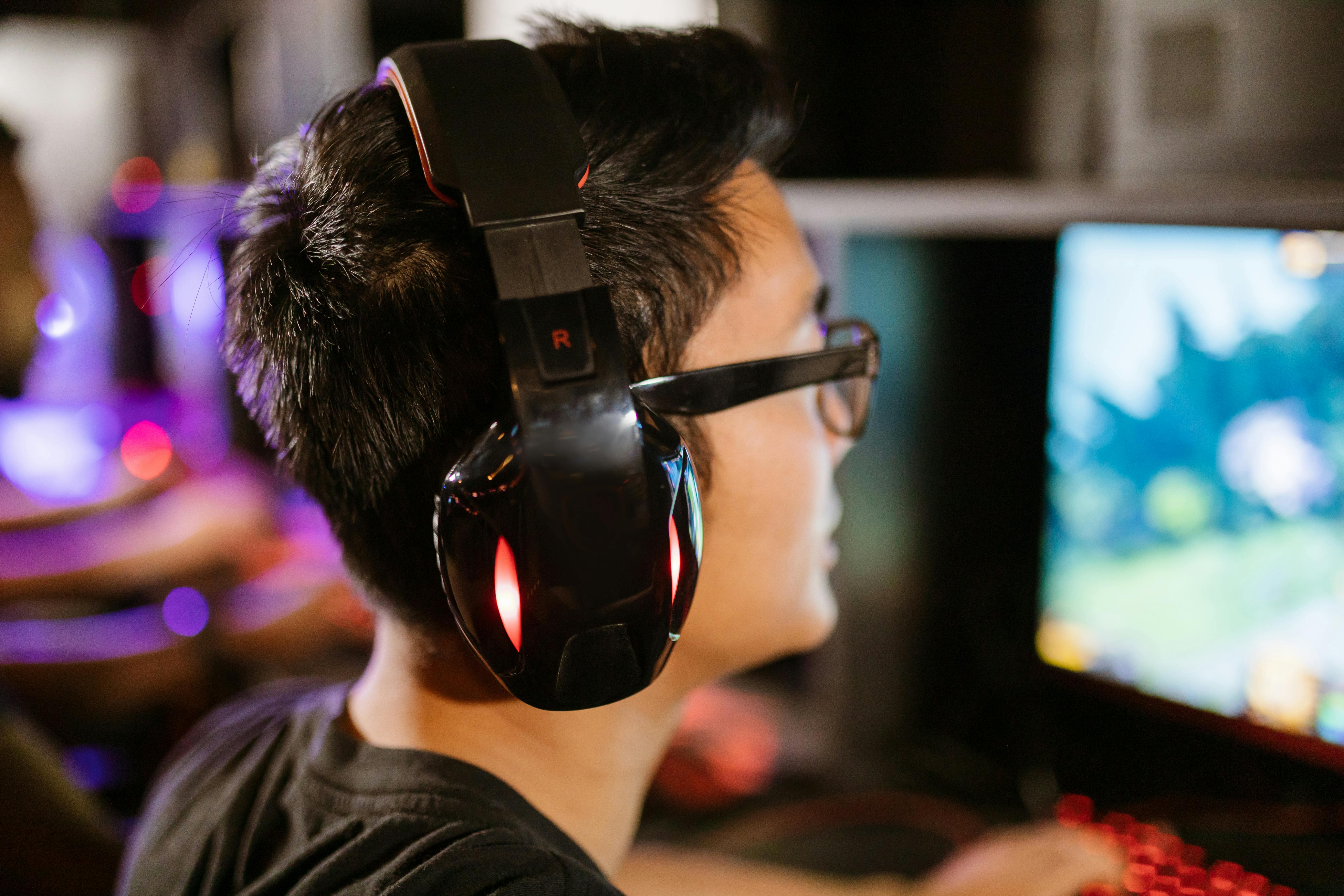
In the rapidly growing world of gaming, game quality assurance (QA) plays a crucial role in ensuring players receive a polished, engaging experience. Despite its importance, many misconceptions surround this essential field. At XQA, we aim to debunk common myths about game quality assurance, shedding light on the realities that define the work of QA professionals.
Myth 1: Game QA Is Just Playing Games
A prevalent misconception is that game quality assurance simply involves playing games for fun. While it may seem enjoyable, QA is highly structured and methodical. QA testers meticulously examine gameplay, mechanics, graphics, and software stability. They document every bug or glitch, often reproducing issues multiple times to ensure consistency. Effective game quality assurance requires attention to detail, analytical thinking, and persistence—not just casual gameplay.
Myth 2: QA Testers Don’t Need Technical Skills
Some believe that game quality assurance roles require no technical expertise. On the contrary, QA testers must understand game engines, debugging tools, and sometimes even scripting or coding to identify issues accurately. Testers communicate technical findings to developers, helping improve the game. Without a solid technical foundation, game quality assurance cannot efficiently support the development process.
Myth 3: QA Delays Game Development
Another myth is that game quality assurance slows down production. In reality, QA accelerates development by identifying critical issues early, preventing costly fixes later. Bugs discovered after release can damage a game’s reputation and profitability. Investing in thorough game quality assurance ensures smoother launches, shorter patch cycles, and a better player experience.
Myth 4: Automation Can Replace QA Testers
While automation is a valuable tool in game quality assurance, it cannot fully replace human testers. Automated scripts excel at repetitive tasks, like performance benchmarking or regression testing, but cannot evaluate player experience, detect subtle design flaws, or assess game balance. Human insight is essential in game quality assurance, especially for narrative-driven games or complex multiplayer environments.
Myth 5: QA Only Involves Finding Bugs
Finding bugs is just one part of game quality assurance. QA testers also assess usability, interface design, and overall gameplay enjoyment. They provide feedback on difficulty, level design, and narrative flow. This holistic approach ensures that the game is not only functional but also engaging. Successful game quality assurance combines technical scrutiny with creative evaluation.
Myth 6: QA Is an Easy Job
The notion that game quality assurance is easy or low-effort is far from reality. QA testers work long hours, often under tight deadlines, to identify and report issues. They must maintain focus through repetitive testing, sometimes on the same level or feature hundreds of times. A strong QA team is essential to maintain high standards, proving that game quality assurance demands discipline and resilience.
Myth 7: Bugs Are a Sign of Poor QA
Some gamers think that a buggy game indicates inadequate game quality assurance. However, no game is entirely bug-free, and QA’s role is to minimize issues rather than eliminate them completely. Game development is complex, and some bugs may emerge after release due to hardware variations or unexpected user behavior. Effective game quality assurance mitigates these problems as much as possible, ensuring they do not disrupt the overall experience.
Myth 8: QA Is Only Needed Before Launch
Many assume that game quality assurance ends once a game is released. In truth, QA continues post-launch. Ongoing testing supports patches, updates, and expansions, helping maintain stability and player satisfaction. Continuous game quality assurance is essential in today’s gaming industry, where live-service games require constant attention and refinement.
Conclusion
Understanding the truth behind these myths highlights the vital role of game quality assurance in the gaming industry. Far from being just playing games or an easy task, QA involves technical expertise, careful testing, and continuous evaluation. It accelerates development, enhances player experience, and ensures games meet high standards before and after release. At XQA, we recognize that game quality assurance is a complex, indispensable process that deserves recognition for its contribution to the success of every game.