Understanding EV Charger Installation Costs
As electric vehicles (EVs) gain popularity, many homeowners are considering installing charging stations in their residences. However, the cost of installation can vary significantly based on various factors, including the type of charger, the complexity of the installation, and local regulations. Understanding these costs is critical for any homeowner looking to make an informed decision. When exploring options, EV charger cost guide provides comprehensive insights into what you can expect when planning an EV charger installation.
Factors Influencing EV Charger Cost
Several factors contribute to the overall cost of installing an EV charger at home. Some of these include:
- Type of Charger: There are various types of chargers available, including Level 1 (standard home outlet) and Level 2 (240-volt, faster charging). Level 2 chargers are generally preferred for home installations due to their quicker charge times.
- Electrical Upgrades: Depending on your home’s existing electrical system, you may need to upgrade your service panel or wiring to accommodate the new charger. This can significantly impact the installation cost.
- Installation Location: The accessibility of your electrical panel and where you want to install the charger can affect labor costs. For instance, if your charger is far from the power source, additional wiring and labor will be required.
- Permits and Regulations: In some areas, obtaining a permit for installation can add to your costs. Always check local regulations before proceeding with an installation.
- Brand and Features: Different brands offer varying features and prices. Factors such as smart technology integration, warranty, and charging speed can affect the overall price.
Breakdown of Typical Installation Expenses
Understanding the components of the installation cost can help you budget better. Here’s a typical breakdown:
- Charger Purchase: $400 – $1,500 depending on the type and brand.
- Installation Fees: For a standard installation, expect to pay between $500 and $2,000. This can vary based on the factors discussed above.
- Electrical Upgrades: If upgrades are needed, costs can range from $1,000 to $5,000, depending on the extent of the electrical work required.
- Labor Costs: Electricians typically charge between $50 and $150 per hour, with complete installations averaging around 2 to 4 hours.
Why Choose Professional Installation?
While it may be tempting to install the charger yourself, professional installation offers several benefits:
- Safety: Licensed electricians ensure that the installation adheres to local codes and safety standards, minimizing the risk of electrical hazards.
- Warranty Protection: Many manufacturers require professional installation for warranty coverage, ensuring that any problems arising from the installation will be covered.
- Peace of Mind: Professionals can quickly diagnose potential issues with your electrical system and provide solutions, saving you time and stress.
Types of EV Chargers and Their Costs
Understanding the types of chargers available is crucial when deciding which one to install. Here’s a look at the main types:
Single-Phase vs. Three-Phase Chargers
Single-phase chargers are the most common for residential use, providing adequate power for most home charging needs. They typically charge at a rate of about 3.7 kW, offering a full charge overnight. Three-phase chargers, on the other hand, can deliver up to 22 kW and are ideal for situations where faster charging is necessary. Here’s a comparison of costs:
- Single-Phase Charger: $400 – $1,200 for the unit and installation.
- Three-Phase Charger: $800 – $2,700, depending on the installation complexity and electrical upgrades needed.
Charger Brands Comparison: What You Get for Your Money
Several brands dominate the EV charger market, each offering unique features:
- Tesla: Known for high-quality hardware and user-friendly apps. Prices range from $500 to $1,500.
- Wallbox: Offers smart charging solutions with competitive pricing, usually between $600 and $1,000.
- Zappi: Designed for solar charging, often priced higher due to additional functionality, generally around $1,000 to $2,000.
Additional Features and Their Impact on Cost
Innovative features can enhance the functionality of your EV charger:
- Smart Charging: Features such as Wi-Fi connectivity, smartphone apps, and energy management systems can add $100 to $500 to your installation costs.
- Integration with Solar Power: Chargers that can interface with solar panels for solar-powered charging can increase initial costs but save money over time.
- Advanced Safety Features: Chargers with built-in safety measures can offer additional peace of mind but may come with a higher price tag.
Your Step-by-Step Guide to Getting Started
Installing an EV charger may seem daunting, but breaking it down into manageable steps can simplify the process:
Assessing Your Home’s Electrical System
Before installation, evaluate your home’s electrical panel and wiring. Ensure that your current system can handle the new EV charger. You may need to consult with a licensed electrician to assess any required upgrades.
How to Obtain a Quote for Your Installation
The first step in getting a quote is to fill out an online form, providing details about your property and the desired charger type. Many services, including ours, offer free estimates based on the information you provide, including photos of your electrical panel and intended charger location.
Scheduling and Preparing for Installation Day
Once you accept a quote, schedule a convenient installation date. On the installation day, ensure access to your electrical panel and the area where the charger will be installed. Clearing the space can facilitate a smoother installation process.
Installation Process Explained
Understanding the installation process can help set your expectations for the day:
What to Expect During the Installation
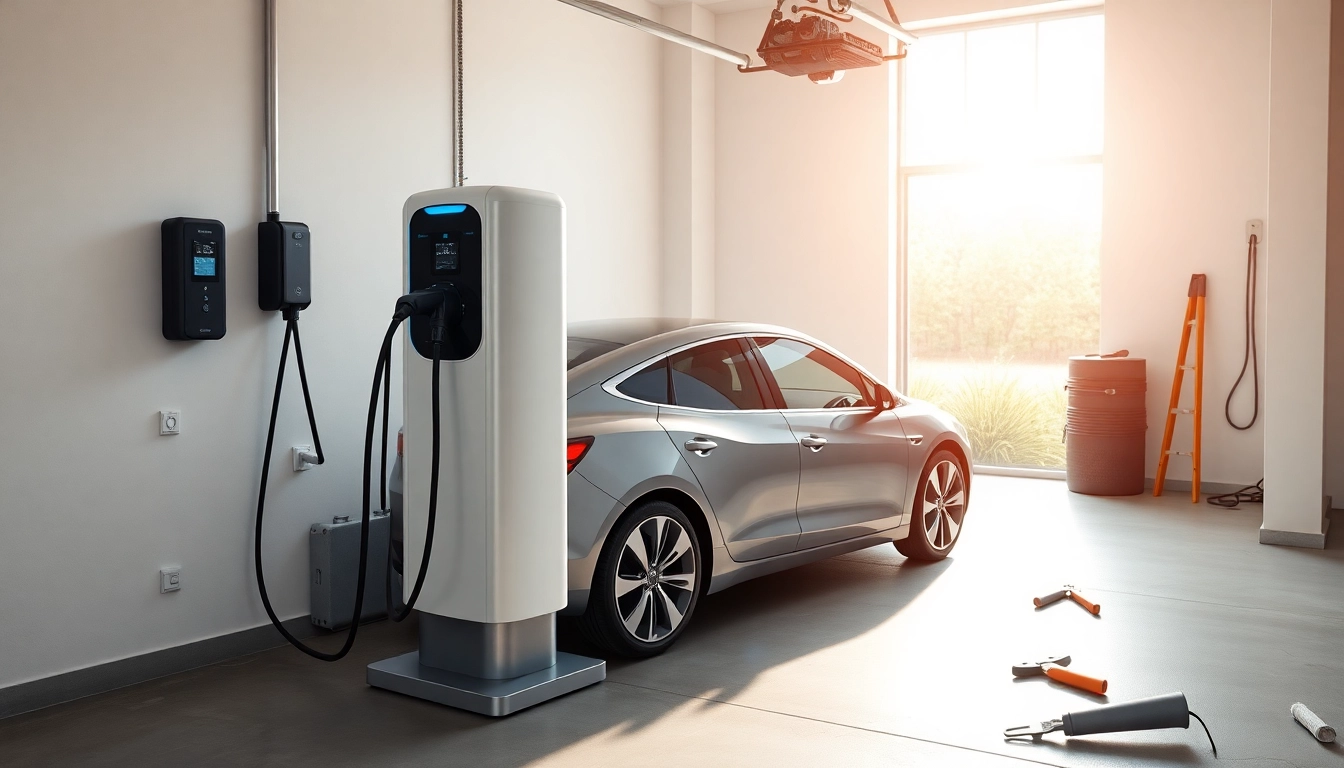
During the installation, an electrician will install the charger, ensuring all wiring is safely connected and complies with electrical codes. Most installations take between 2 to 4 hours, depending on complexity.
Common Challenges and Solutions
Some common challenges can arise during installation, such as:
- Outdated Electrical Panels: If your panel cannot handle the new charger, an upgrade will be necessary. This can add time and costs to your installation.
- Accessibility Issues: If the desired installation location is difficult to reach, additional labor costs may be incurred.
Final Steps: Testing and Certification
After installation, the electrician will test the charger to ensure it operates correctly. They will also provide a Certificate of Electrical Safety, confirming that the installation meets all safety standards.
Frequently Asked Questions About EV Charger Costs
Can I Install the Charger Myself?
While it might be feasible for DIY enthusiasts, it is strongly recommended to hire a professional. Proper installation is crucial for safety and compliance with local regulations.
Are There Available Incentives or Grants?
Yes, various government and local incentives can help offset the installation costs of EV chargers. Check with local authorities to find out what is available in your area.
How to Maintain Your EV Charging Station?
Regular maintenance includes cleaning the charger and keeping the area free of debris. It’s also wise to have a professional check the system annually to ensure it operates safely and efficiently.