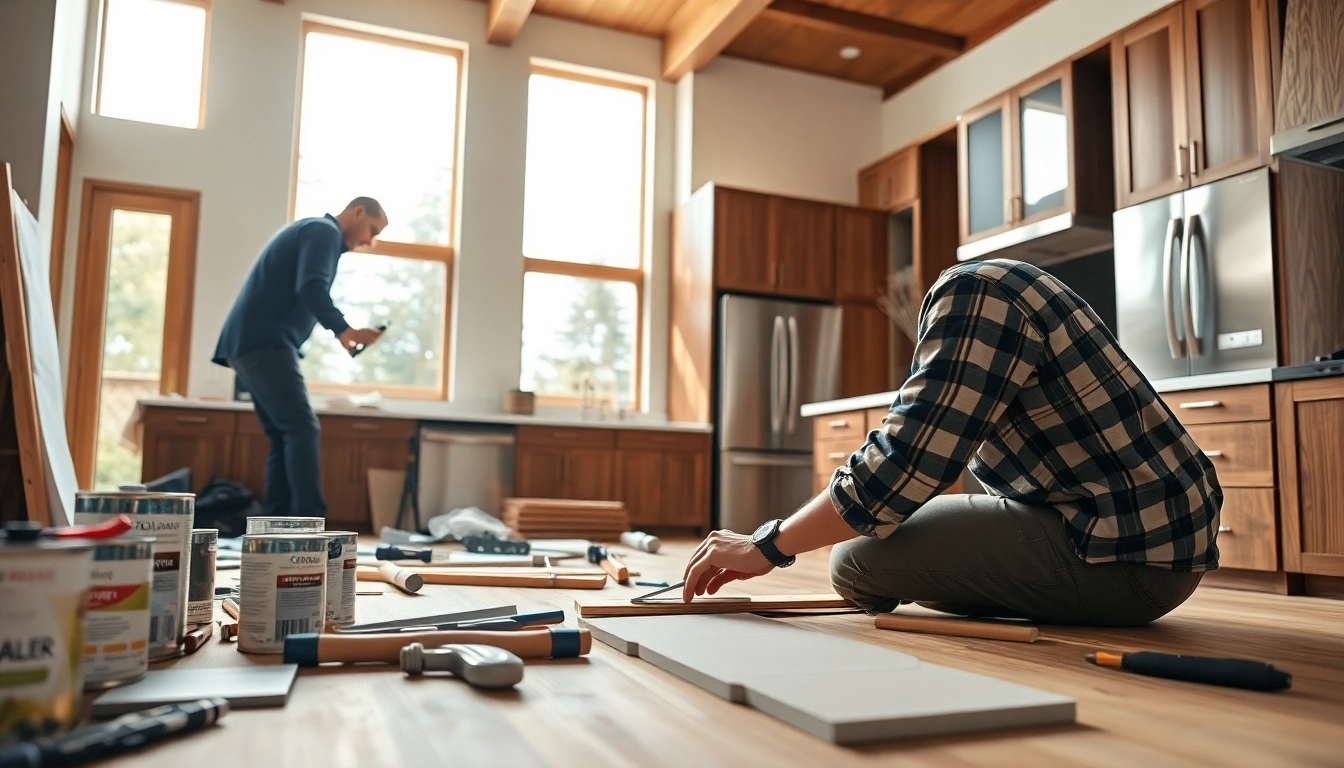
Understanding the Basics of Home Renovation
What is Home Renovation?
Home renovation commonly refers to the process of making improvements or alterations to residential properties. This can include extensive commercial-like projects or smaller modifications such as painting or landscaping. Essentially, it is about enhancing the functionality or aesthetics of a living space to better meet the needs of the homeowner. Different aspects of home renovation can range from structural changes, such as adding new rooms or reconfiguring existing spaces, to cosmetic upgrades like refurbishing bathrooms or kitchens. Homeowners often undertake renovations for a variety of reasons including updating outdated features, increasing property value, improving energy efficiency, or personalizing their living environment. For a thorough understanding of various projects, one can explore comprehensive resources related to Home renovation.
Key Benefits of Home Renovation
Engaging in home renovation comes with a potpourri of potential benefits:
- Increased Property Value: One of the primary motivations for home renovations is to enhance the market value of the property. Updated kitchens, remodeled bathrooms, and added living spaces can significantly increase a home's worth.
- Improving Functionality: Renovations can often lead to improved living spaces, tailored specifically to the homeowner's needs. Whether it’s optimizing space for a growing family or creating a home office, renovations can better accommodate diverse lifestyles.
- Enhanced Energy Efficiency: Upgrading elements such as windows, insulation, or HVAC systems can lead to substantial energy savings. Utilizing eco-friendly materials and energy-efficient designs can also enhance sustainability.
- Soothing Aesthetics: Home renovations can transform the feel of a home. A modernized interior can create a refreshing and inviting atmosphere that reflects personal tastes or current trends.
Common Challenges Faced in Home Renovation
Besides the advantages, home renovations can come with their own set of challenges that homeowners should be prepared for:
- Budget Overruns: One of the most frequent issues in renovation projects is exceeding the budget. This can arise from unexpected repairs, changes in project scope, or even shifts in material costs.
- Timeline Delays: Renovations rarely go as planned when it comes to timing. Factors such as unforeseen construction issues, delays in material delivery, or labor shortages can extend timelines.
- Design Conflicts: Homeowners may face challenges aligning their vision with practical realities. They might grapple with conflicting ideas of what works best within their space.
- Regulatory Compliance: Depending on the scope of renovations, homeowners may have to navigate building permits, local laws, or homeowner association regulations, which can complicate renovations.
Planning Your Home Renovation
Setting a Realistic Budget for Home Renovation
Establishing a realistic budget is one of the most critical steps in the planning phase of home renovation. Homeowners must assess their finances thoroughly before embarking on a renovation project. Here are some strategies to consider:
- Assessment of Current Financial Position: Review savings, credit availability, and personal finances to determine realistically what can be allocated for renovation.
- Researching Costs: Understand the costs associated with common renovations. Gathering quotes and estimates from contractors can provide a clear picture of financial requirements.
- Incorporating a Contingency Fund: It’s wise to set aside an additional 10% to 20% of the estimated budget to cover unexpected expenses that might arise during renovations.
Creating a Timeline for Your Home Renovation
Just like budgeting, developing a project timeline is essential to effectively manage expectations. A clear timeline helps homeowners track progress and understand when to expect completion. Key steps include:
- Setting Milestones: Identify vital points within the project where specific tasks should be completed. This can help gauge progress and identify potential delays early.
- Adjust for Realistic Timeframes: Each phase of the renovation should have sufficient time allocated for completion. Always account for potential delays in construction or material sourcing.
- Communication with Contractors: Regular updates from contractors can provide insight into progress and maintain alignment with the proposed timeline.
Choosing the Right Design Elements for Home Renovation
The design elements selected during renovation greatly affect the overall outcome of the project. Here are some considerations to help make informed choices:
- Aligning with Aesthetic Preferences: Whether contemporary, traditional, or eclectic, the renovation should echo the homeowner’s personal style while maintaining coherence throughout the home.
- Functionality First: Design choices should not only be about appearances but also focus on improving the functionality of spaces. Consider how family members navigate the home and choose layouts that enhance this flow.
- Stay Current Yet Timeless: While it can be tempting to follow trends, opting for elements that transcend seasons will add longevity to the design without immediate need for further renovations.
Selecting Professionals for Your Home Renovation
Finding Qualified Contractors for Home Renovation
Choosing the correct professionals is critical for successful home renovations. Here’s how to locate qualified contractors:
- Seek Recommendations: Word-of-mouth referrals from friends or family can often lead to trustworthy contractors. Online reviews and testimonials can also provide insights into potential candidates.
- Verify Credentials: Potential contractors should have appropriate licensing, insurance, and experience in similar projects. Conducting due diligence ensures reliability and adherence to standards.
- Assess Previous Work: Evaluating previous projects can help gauge the contractor's capabilities and expertise. Viewing completed renovations can reveal their quality of work and attention to detail.
Understanding Different Roles in Home Renovation Projects
Home renovation projects often involve a variety of professionals, each contributing unique skills. A clear understanding of their roles can facilitate better projects:
- General Contractor: Responsible for overseeing the entire project, ensuring that all components run smoothly while coordinating various trades.
- Architect: When structural changes or intensive design are involved, architects help with the planning and necessary compliance with local regulations.
- Subcontractors: Specialized workers such as electricians, plumbers, and HVAC experts are needed for specific tasks and must be managed by the general contractor.
Interviewing and Vetting Professionals for Home Renovation
Once candidates have been identified, interviewing them is crucial in ensuring they meet the homeowner's needs. Effective strategies include:
- Prepare Targeted Questions: Inquire about their previous experiences with similar projects, their approach to challenges, and communication styles.
- Request Detailed Estimates: Obtain comprehensive breakdowns of estimates to understand material and labor costs, allowing better comparison across candidates.
- Check References: Speaking with past clients can provide insights into the contractor's reliability and quality of work.
Executing Your Home Renovation
Key Steps in the Home Renovation Process
Execution of renovation requires adherence to a systematic approach to ensure no detail is overlooked:
- Initial Planning Meetings: Discussing the plan with the team ensures everyone is aligned on objectives, timelines, and processes.
- Secure Permits: Before starting, ensure all required permits are secured to avoid legal or regulatory issues later in the process.
- Begin with Demolition: Start the renovation by safely removing existing structures or elements to make way for new designs, always adhering to safety protocols.
Managing the Renovation Timelines Effectively
To keep the project on track, active management of timelines is essential. Strategies include:
- Regular Communication: Maintain consistent dialogue with contractors and workers for updates and modifications to the plan. Being proactive can help identify issues early on.
- Daily Check-ins: Consider making site visits to examine progress, ensuring everything aligns with the project timeline.
- Document Progress: Keeping notes or photographing significant milestones can be helpful for tracking the developmental phases of the renovation.
Ensuring Quality Control During Home Renovation
Quality control is paramount to achieving desired outcomes in home renovation. Implement these practices to uphold standards:
- Regular Inspections: Conduct frequent inspections throughout the renovation process, ensuring that workmanship meets agreed-upon standards.
- Set Benchmarks: Establish quality benchmarks that workers must meet, and communicate these beforehand to avoid discrepancies in expectations.
- Address Issues Promptly: Any challenges or concerns should be addressed as soon as they arise to prevent long-term flaws in the finished product.
Post-Renovation Tips
Inspection and Evaluation After Home Renovation
After completing renovations, a detailed inspection is necessary to ensure everything is up to expectations:
- Walkthrough with Contractors: A joint inspection with the contractors allows for immediate identification of areas that may need adjustments.
- Assess Functionality: Determine whether the renovated areas serve their intended purposes effectively and meet the homeowner's needs.
- Conduct a Final Budget Review: Evaluating total expenses versus budget can provide insights into areas that may need more planning in future projects.
Maintaining Your Home Post-Renovation
Once renovations are complete, maintaining the newly updated areas is crucial to prolonging their lifespan:
- Establish a Maintenance Schedule: Routine checks on renovations will help identify problems before they escalate. This can include regular inspections of plumbing, roofing, and paint quality.
- Use Appropriate Cleaning Methods: Different materials require different cleaning strategies. Use gentle, recommended cleaners for sensitive surfaces.
- Monitor Functionality: Stay attuned to the performance of any new installations, noting any issues that may arise. Addressing them quickly can prevent larger, more expensive repairs.
Adding Value Through Smart Home Renovations
As homeowners look to optimize their investments, incorporating strategic renovations can yield significant returns:
- Focus on Key Areas: Areas like kitchens and bathrooms consistently add value to homes, making thoughtful renovations here a priority.
- Additions Versus Improvements: While additions can provide expansive spaces, quality improvements on existing structures can often yield better returns on investment.
- Consider Resale Trends: Looking at local market trends and buyer preferences can help shape renovation choices that appeal to future buyers.