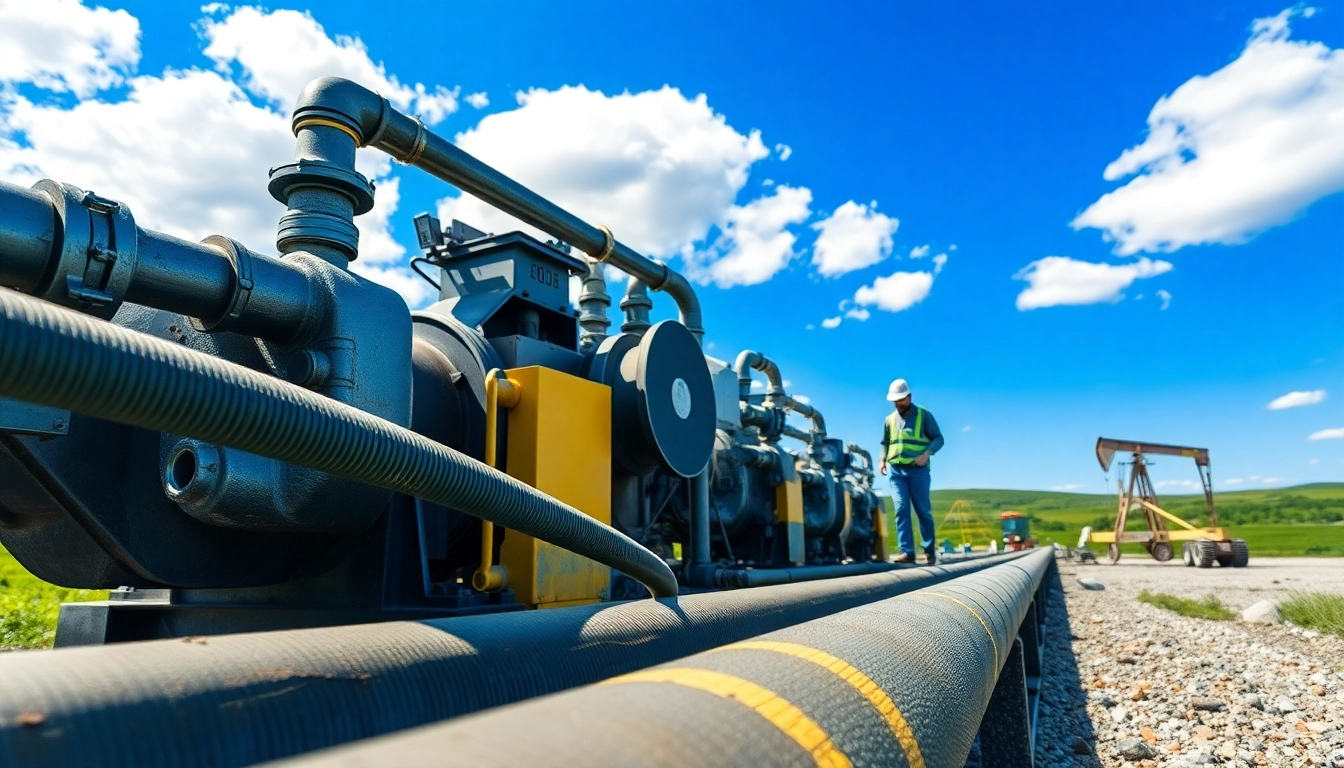
Understanding Industrial Water Transfer Services
Industrial water transfer services are essential in various industries, especially those that rely on large volumes of water for their operations. These services enable the efficient movement of water from one location to another, ensuring that businesses can maintain production without interruptions. This article will deeply explore the different facets of industrial water transfer services, emphasizing their significance, technology, and future trends in the industry. For those in need, industrial water transfer services can provide tailored solutions for specific operational requirements.
What Are Industrial Water Transfer Services?
Industrial water transfer services refer to the methods and systems employed to transport water for various industrial needs. This can include sourcing and moving water for construction projects, agricultural irrigation, oil and gas operations, mining, and more. These services encompass several aspects, including the planning and management of water supply, transportation equipment, and compliance with environmental regulations.
Importance of Efficient Water Transfer in Industry
The significance of efficient water transfer cannot be overstated. Water is a critical resource for production, and ensuring that it is transported efficiently directly impacts operational efficiency, productivity, and cost management. In industries such as oil and gas, failure to manage water transfer properly can lead to delays and increased costs. Moreover, efficient water transfer helps in minimizing the environmental footprint, ensuring that businesses comply with regulations for water usage and conservation.
Key Components of Water Transfer Systems
Industrial water transfer systems consist of several critical components, including:
- Pipelines: The primary conduits for transporting water over long distances.
- Pumping Equipment: Essential for moving water through pipes or to various locations.
- Storage Solutions: Tanks or reservoirs for temporary storage of water before use.
- Monitoring Systems: Tech tools to track water levels, flow rates, and quality throughout the transfer process.
Types of Industrial Water Transfer Systems
Pipeline Systems and Equipment
Pipeline systems are an integral method for transferring water across distances. They can be constructed from various materials, such as steel, plastic, or concrete, depending on the application and the nature of the water being transported. The design of these pipelines is crucial, as it must consider factors like pressure, flow rate, and potential environmental impact. Maintaining the integrity of pipelines through regular inspections and maintenance is essential to prevent leaks and ensure efficiency.
Pumping Technologies for Water Transfer
Pumping technologies have evolved significantly, allowing for more efficient and reliable water transfers. Various types of pumps are used, including centrifugal pumps, positive displacement pumps, and submersible pumps. Each type has its unique advantages depending on the specific requirements of the project. For instance, centrifugal pumps are typically used for high flow rates and lower viscosity fluids, while positive displacement pumps are better suited for thicker fluids. Advances in automation and telemetry have also enhanced the monitoring and control of these pumps, reducing the risk of failures and optimizing performance.
Tanker and Vacuum Services Explained
Tanker services involve the transportation of water via specially designed trucks or trailers. This method is particularly useful when pipeline infrastructure is absent. Vacuum services complement this by enabling the efficient removal of wastewater or residual water from sites, ensuring compliance with environmental regulations while facilitating site preparations. These services are critical in sectors like construction and mining, where water usage and waste management are significant concerns.
Benefits of Professional Water Transfer Services
Cost-Effectiveness of Using Specialized Services
One of the primary advantages of utilizing professional water transfer services is cost-effectiveness. External service providers often have access to modern equipment and technology that mitigate operational expenses. By outsourcing water transfer, companies can eliminate the need for capital investment in equipment, as well as reduce maintenance and labor costs associated with in-house systems.
Enhanced Safety Mechanisms in Water Transfer
Safety is paramount in industrial operations, and professional water transfer services integrate safety protocols and advanced technology to minimize risks. Trained personnel are essential in ensuring that all operations comply with safety regulations, particularly when hazardous materials are involved. Additionally, advancements in monitoring technology help identify potential leaks or failures before they escalate into dangerous situations.
Impact on Environmental Compliance
With the increasing emphasis on sustainability and environmental protection, industrial water transfer services play a crucial role in ensuring compliance with local and federal regulations. Providers often implement best practices that align with environmental conservation efforts. Through responsible water sourcing and transfer, companies can significantly reduce their ecological footprint, as well as avoid costly fines associated with environmental damage.
Choosing the Right Service Provider
Factors to Consider When Selecting a Water Transfer Service
Selecting the right industrial water transfer service provider is a critical decision. Several factors should inform this choice, including:
- Reputation and Experience: A well-established provider with a strong track record will likely offer more reliable services.
- Range of Services: Ensure that the provider can meet your specific needs, from sourcing to transfer and treatment.
- Regulatory Compliance: Verify that the provider adheres to all applicable regulations and industry standards.
- Technology Utilization: Providers that leverage modern technology can offer enhanced services and efficiencies.
Evaluating Provider Experience and Reputation
Researching a provider's experience and reputation in the industry is crucial before engagement. Read reviews, case studies, and client testimonials to get a sense of their capability and service quality. A provider with extensive experience in diverse applications will likely be adept at addressing unique challenges and tailoring solutions to meet specific operational requirements.
Understanding Service Contracts and Pricing Models
Before signing a contract, it’s essential to understand the pricing models and terms of service thoroughly. Some providers may offer fixed rates, while others might have variable pricing based on water volume or specific services rendered. Clarity on contract terms can help avoid unexpected charges and ensure that services align with budget constraints.
Future Trends in Industrial Water Transfer Services
Emerging Technologies in Water Management
The future of industrial water transfer services is leaning towards innovation and the integration of emerging technologies. Automation, artificial intelligence (AI), and data analytics are being utilized to optimize water transfer systems, enabling real-time monitoring and predictive maintenance. IoT (Internet of Things) solutions are allowing for better tracking and management of water resources, increasing efficiency and reducing wastage.
Regulatory Changes Affecting Water Transfer Practices
As environmental concerns continue to gain attention, regulatory changes are expected to impact water transfer practices significantly. Future regulations may impose stricter guidelines on water sourcing, treatment, and transportation, encouraging companies to adopt more sustainable practices. Staying ahead of these changes is crucial for service providers and businesses to remain compliant and competitive.
Sustainability Initiatives in Water Transfer Services
There is a growing trend towards sustainability in industrial operations, and water transfer services are no exception. Many companies are focusing on developing eco-friendly practices, including recycling and reusing water, thereby reducing overall consumption. Adopting sustainable practices can also enhance a company's reputation and appeal to environmentally conscious consumers.