
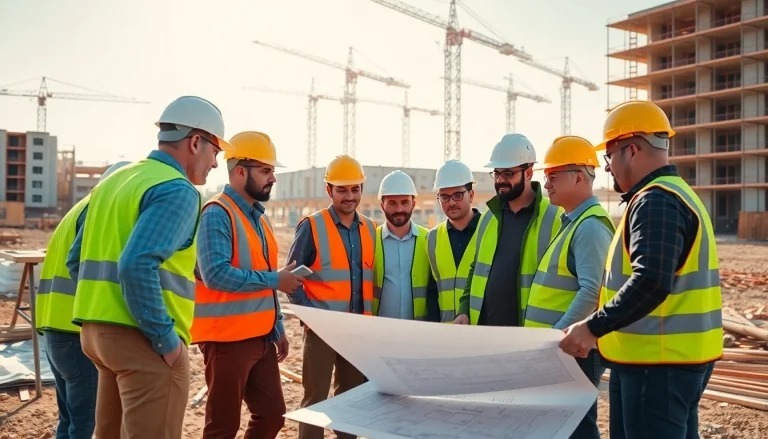
Construction safety training is a vital component of any construction project, ensuring both compliance and protection for workers. Implementing Construction safety training equips employees with the knowledge and skills to identify hazards, follow safety protocols, and maintain a secure work environment. Construction safety training is essential for meeting OSHA regulations, industry standards, and legal requirements while minimizing workplace accidents. Effective construction safety training construction safety training programs improve productivity, reduce project delays, and enhance the overall reputation of construction companies. Construction safety training not only protects workers but also reduces insurance costs and potential legal liabilities. By prioritizing construction safety training construction safety training, companies create a culture of responsibility and awareness that safeguards both personnel and assets. Continuous construction safety training construction safety training ensures that employees remain updated on emerging risks, new regulations, and best practices in the industry, making it an indispensable investment for sustainable construction operations.
Why Construction Safety Training is Essential
Construction safety training is critical for protecting workers and ensuring legal compliance. The construction industry involves numerous hazards, including falls, electrical risks, heavy machinery, and hazardous materials. Through construction safety training, employees learn how to recognize these risks and implement measures to prevent accidents.
Regular construction safety training helps companies comply with OSHA regulations, local safety codes, and industry standards. Failure to provide adequate construction safety training can lead to legal penalties, project shutdowns, and reputational damage. Construction safety training empowers workers with the skills to operate safely and respond effectively to emergencies, reducing the likelihood of injuries and fatalities.
Moreover, construction safety training fosters a culture of accountability and responsibility on job sites. Employees trained in safety protocols are more likely to follow best practices and encourage their peers to do the same, creating a safer working environment.
Reducing Workplace Accidents and Risks
One of the primary benefits of construction safety training is the reduction of workplace accidents. Employees learn proper techniques for handling equipment, using personal protective equipment (PPE), and performing tasks safely. Construction safety training programs include hazard identification, risk assessment, and emergency response drills.
Construction safety training helps employees understand the consequences of unsafe practices, making them more vigilant on the job. Companies that implement comprehensive construction safety training see fewer accidents, lower injury rates, and reduced downtime, which improves overall project efficiency and cost-effectiveness.
Additionally, construction safety training enhances emergency preparedness, teaching workers how to react to fires, falls, chemical spills, or other unexpected incidents. This preparedness ensures that employees can protect themselves and others, minimizing damage and potential liabilities.
Enhancing Productivity Through Safety Training
While some may view construction safety training as a regulatory requirement, it also directly impacts productivity. Safe workers are confident and efficient, allowing projects to proceed without interruptions caused by accidents or unsafe conditions. Construction safety training provides employees with the skills to work methodically, reducing errors and improving the quality of workmanship.
By integrating construction safety training into daily operations, companies create structured protocols that streamline tasks and maintain consistency across job sites. Employees trained in safety procedures can anticipate risks and prevent incidents that could delay project timelines, ensuring on-time and on-budget completion.
Compliance and Legal Protection
Compliance with safety regulations is a legal obligation for all construction companies. Construction safety training ensures that employees are familiar with OSHA guidelines, state and local regulations, and internal safety policies. Companies that maintain documented construction safety training programs demonstrate due diligence, which can protect them in the event of audits, inspections, or legal claims.
Construction safety training reduces the risk of fines, penalties, and litigation while promoting a professional and responsible image to clients and stakeholders. It ensures that workers are prepared to meet compliance standards consistently, creating a culture of safety that aligns with regulatory expectations.
Why Choose Us
We provide comprehensive construction safety training designed to protect workers and ensure compliance. Our programs are tailored to meet industry standards and cover all critical aspects of safety, including hazard recognition, PPE usage, emergency response, and regulatory compliance.
By choosing us, companies gain access to expert-led training, hands-on workshops, and continuous support that reinforces safe practices on job sites. Our construction safety training is practical, actionable, and designed to produce measurable results, including reduced accident rates and improved operational efficiency.
We are committed to helping construction businesses build a culture of safety that safeguards employees, protects assets, and enhances overall performance. Partnering with us ensures your workforce receives the most effective and up-to-date construction safety training available.
Conclusion
Construction safety training is an indispensable element of modern construction operations. It protects workers, ensures compliance, and minimizes risks on job sites. Construction safety training reduces workplace accidents, improves productivity, and safeguards companies from legal and financial liabilities.
Investing in construction safety training demonstrates a commitment to employee well-being, operational excellence, and industry best practices. Companies that prioritize construction safety training foster a culture of safety, accountability, and professionalism, which ultimately leads to successful, efficient, and secure construction projects.
FAQs
What is construction safety training?
Construction safety training involves educating workers on hazard recognition, safety protocols, emergency response, and regulatory compliance to ensure a secure work environment.
Why is construction safety training important?
It protects employees, reduces accidents, ensures compliance with regulations, and improves overall project efficiency.
How often should employees receive construction safety training?
Employees should undergo construction safety training regularly, including initial onboarding, periodic refreshers, and updates on new regulations or risks.
Does construction safety training reduce legal risks?
Yes, documented construction safety training programs demonstrate due diligence and help protect companies from fines, penalties, and litigation.
What topics are covered in construction safety training?
Topics include hazard identification, PPE usage, machinery safety, emergency response, fall protection, chemical handling, and compliance with OSHA and local safety regulations.