Understanding Custom Dining Table Options
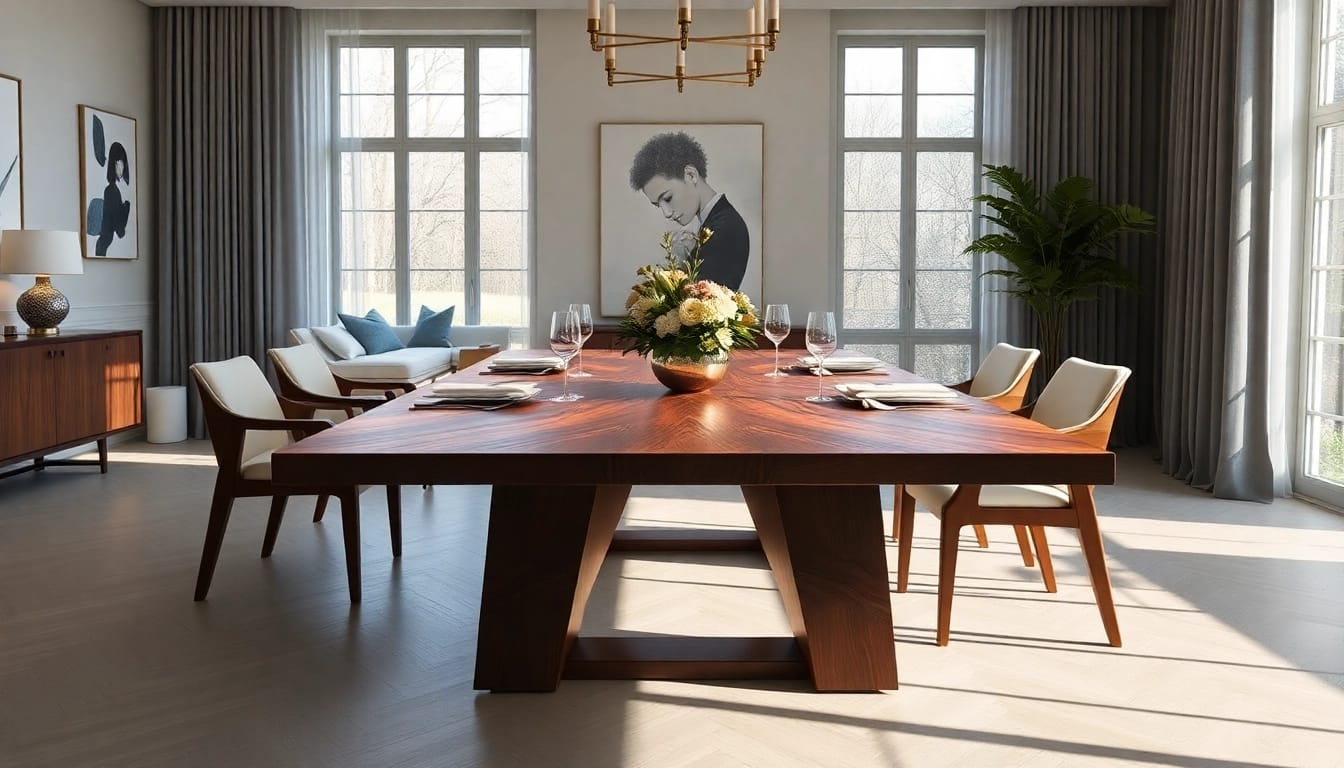
When it comes to furnishing your home, the dining table holds a special place. It’s not just a piece of furniture; it’s the centerpiece of family gatherings, dinner parties, and cherished moments shared over a meal. A Custom dining table allows you to reflect your style while accommodating your needs. This guide will explore various options you have at your disposal, making the process of selection easier and more enjoyable.
Different Styles of Custom Dining Table
Choosing the right style for your custom dining table is crucial in defining the atmosphere of your space. Below are some popular styles:
- Modern: Characterized by clean lines and minimalistic designs, modern tables often feature a blend of materials like wood and metal.
- Rustic: These tables give a cozy feel and often incorporate reclaimed wood or distressed finishes, ideal for a homey look.
- Traditional: Featuring ornate carvings and classic designs, traditional tables can be made from rich woods and are often part of formal dining settings.
- Contemporary: A blend of various styles, contemporary tables often emphasize functionality and innovation, incorporating unique shapes and finishes.
- Industrial: Combining raw materials like metal and unfinished wood, industrial tables provide a unique look often favored in urban homes.
Wood Types for Custom Dining Table
The choice of wood significantly affects the aesthetics, durability, and maintenance of your table. Here are some excellent options:
- Oak: Known for its strength and durability, oak is a popular choice for both traditional and modern designs.
- Maple: With a fine grain and light color, maple provides a sleek finish that suits contemporary styles.
- Walnut: Famous for its rich, dark hues and unique grain patterns, walnut adds elegance and sophistication.
- Cherry: This wood darkens naturally over time, creating a beautiful patina that enhances its character.
- Pine: An affordable option, pine is lightweight and often features a rustic look fit for casual dining spaces.
Finishes and Textures
The finish applied to your custom dining table can transform its appearance and functionality. Here are a few options:
- Polyurethane: Offers strong protection and is available in matte to high-gloss finishes, enhancing the wood grain while preserving its color.
- Oil: Provides a natural look and feel, penetrating the wood to maintain its beauty while requiring more maintenance.
- Lacquer: This finish dries quickly and gives a high-gloss shine, making it a great choice for modern designs.
- Natural Stains: Highlight the natural tones of the wood while allowing its original grain patterns to shine through.
- Wax: Adds a soft sheen to the surface and feels smooth, enhancing the table’s texture—however, it requires regular reapplication.
Benefits of Choosing a Custom Dining Table
Opting for a custom dining table offers numerous advantages, making it worthwhile for any homeowner looking to invest in quality furniture.
Personalization for Your Space
One of the greatest benefits is the ability to personalize your table to fit your specific needs. You can customize dimensions, materials, and finishes to match your space perfectly. This means your table will not only suit your preferences but also fit seamlessly into your existing décor.
Quality and Craftsmanship
Custom tables are typically crafted by skilled artisans who pay attention to detail. This level of craftsmanship ensures higher quality compared to mass-produced furniture. Handmade tables often use superior materials, leading to enhanced durability and aesthetic appeal.
Long-term Investment
Custom dining tables may come at a higher initial cost but represent a long-term investment. High-quality materials and craftsmanship mean your table is likely to last for decades, making it a more economical choice compared to lower-quality alternatives that may require replacement.
Design Considerations for Your Custom Dining Table
Before purchasing, it's essential to consider various design aspects to ensure your custom dining table meets all your needs. Here are the vital factors to weigh in on:
Size and Space Planning
Size is a critical factor when designing your custom dining table. Measure your dining area and consider how many people you typically entertain when selecting dimensions. A table should allow enough space between it and surrounding furniture, providing comfort for diners while maintaining good traffic flow.
Functionality and Versatility
Think about how the table will be used. If you frequently host guests, consider options like extending leaves for extra seating. Additionally, versatile designs that fit different occasions—dinner parties or casual family meals—can effectively maximize your investment.
Complementing Existing Decor
Your new table should harmonize with your current home décor. Analyze existing furniture styles, colors, and materials to ensure that your custom table enhances rather than clashes with your space. Incorporating similar materials or design elements can create cohesion throughout the room.
How to Order Your Custom Dining Table
Once you’re ready to take the plunge, the process of ordering a custom dining table can be straightforward if you follow these steps:
Choosing a Builder or Craftsman
Finding the right builder or craftsman is critical. Research thoroughly to find someone who has experience, excellent craftsmanship, and positive customer reviews. This will ensure your vision is realized effectively.
Design Processes and Timelines
The design process usually starts with a consultation where you express your ideas and needs. Expect to discuss wood types, styles, and other preferences. Be aware of the timeline—it can take anywhere from a few weeks to several months for completion, depending on complexity and the craftsman's workload.
Costs and Budgeting Tips
Custom dining tables can vary significantly in price based on materials, size, and craftsmanship. Set a realistic budget beforehand, taking into account additional costs for delivery and customization. Don’t hesitate to discuss potential financial constraints with your craftsman; many are willing to offer options that fit varying budgets.
Caring for Your Custom Dining Table
To maintain the beauty and integrity of your custom dining table, proper care is essential. Here are some essential maintenance tips:
Cleaning and Maintenance
Regularly dust your table with a soft cloth to prevent build-up. Consider using a gentle cleaner specifically designed for wood surfaces if tougher stains arise, avoiding harsh chemicals that can damage the finish.
Repairing Minor Damages
Minor scratches or dents can be repaired easily with wood fillers or touch-up markers. For deeper scratches, consult a professional to avoid worsening the damage. Regular upkeep can help prevent common issues, keeping your table looking new.
Extending the Life of Your Furniture
Incorporate preventative measures, such as using coasters, placemats, and table runners to shield your table from scratches and heat. Regularly reapply finishes appropriate to your specific table type to maintain protection from wear and tear.