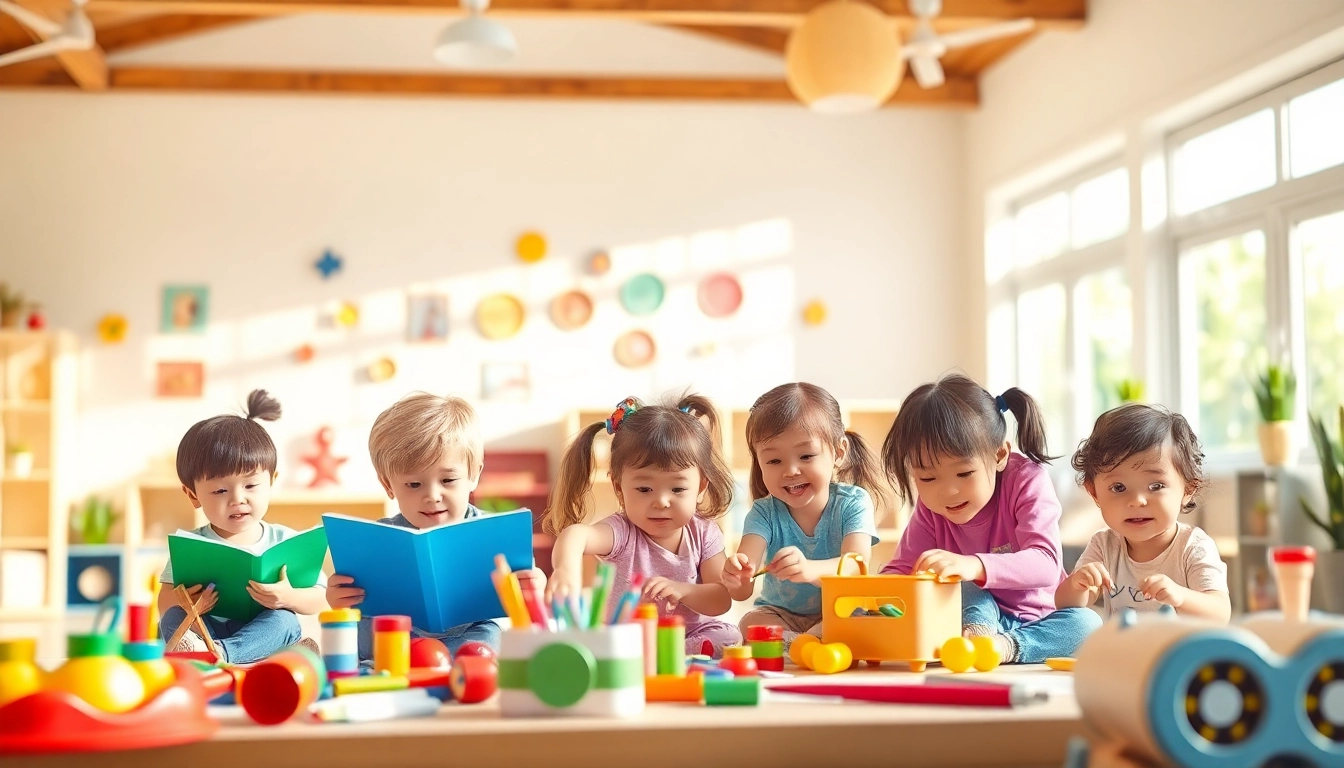
Understanding the Importance of Early Childhood Education
Early childhood education is a critical phase in a child's development. It sets the foundation for lifelong learning, shaping not only the cognitive abilities of children but also their social skills and emotional well-being. In today’s fast-paced world, parents often seek quality daycare programs that prioritize holistic development. At https://juniorsjunction.com, we understand that the early years are pivotal in determining how children engage with their surroundings.
The Role of Play in Learning
Play is an essential component of a child's education, providing unique opportunities for exploration and learning. Research has shown that play fosters creativity and helps in developing problem-solving skills. According to experts, when children engage in play, they are not just having fun; they are learning to navigate social and emotional situations, developing language skills, and building their motor skills. A well-structured daycare environment encourages playful learning, allowing children to thrive both academically and socially.
Developing Social Skills Through Interaction
Social skills are crucial for future success, and the early years of childhood are prime for developing these essential skills. Through interactions with peers, children learn sharing, empathy, cooperation, and conflict resolution. In a daycare setting, opportunities for socialization abound. Group activities, collaborative projects, and playdates all play a vital role in helping children understand social cues and develop friendships. Parents can facilitate this process by encouraging children to share their feelings and experiences with their peers.
Creating a Safe and Stimulating Environment
The physical environment in which children learn significantly affects their growth and development. A safe, nurturing, and stimulating environment promotes confidence and exploratory behavior. Quality daycare programs prioritize creating spaces full of diverse activities and materials, tailored to various learning styles. From sensory play areas that engage young minds to quiet spaces for reflection and individual activities, each aspect should cater to the developmental needs of children.
Essential Elements of a Quality Daycare Experience
Qualified Staff and Their Impact on Child Development
One of the most critical aspects of any daycare program is the quality and training of the staff. Qualified educators bring a wealth of knowledge and experience, which translates into nurturing and effective teaching practices. Staff should be trained in child development principles, first aid, and effective communication techniques. Continuous professional development is also essential. This not only ensures that staff remains updated on the latest educational practices but also supports their personal growth to positively impact children's learning.
Age-Appropriate Learning Materials for Growth
Providing access to age-appropriate learning materials is vital for fostering growth during early childhood education. High-quality resources can enhance learning experiences and cater to children’s curiosity, interests, and developmental needs. Educators should consider a variety of materials, including books, manipulative toys, art supplies, and technology that aligns with the developmental stages of the children they serve. These resources should encourage exploration, creativity, and cognitive development, laying the groundwork for future learning experiences.
Health and Safety Standards in Daycare Facilities
The well-being of children in daycare programs cannot be compromised. Adhering to health and safety standards is a non-negotiable element of quality daycare. Facilities should maintain cleanliness, ensuring child safety through secure environments and proper supervision ratios. Emergency preparedness protocols, including fire drills and health screenings, are also crucial components. Parents should feel confident that their children are in a safe environment and that the staff is prepared to handle emergencies should they arise.
How to Select the Right Daycare Program
Factors to Consider When Choosing a Program
Selecting the right daycare program is a significant decision for parents. Various factors should be taken into account, including the program's philosophy, staff qualifications, and the facility's location. Parents may also want to consider the overall atmosphere of the facility, ensuring it aligns with their values and expectations for their child’s early education experience. Programs that demonstrate flexibility in their curriculum to cater to each child's unique learning style can be especially beneficial.
Touring Facilities: What to Look For
When parents visit potential daycare facilities, they should have a checklist of elements to look for. Not only should the physical space be safe and welcoming, but the staff's interactions with children are equally indicative of the program's quality. Observing how caregivers engage with children can reveal the program's commitment to providing a positive and enriching environment. Furthermore, parents should inquire about the structure of daily activities, as well as the availability of outdoor play areas.
Evaluating Curriculum and Activities
The curriculum is a core component of any daycare program and should promote comprehensive child development. Parents should examine the extent to which the curriculum incorporates emotional, social, cognitive, and physical development. A balanced program includes structured activities, free play, and exploratory learning settings that can accommodate the diverse needs of children. Parents can ask for example lesson plans or activity outlines to gauge how their children will benefit from participation.
Fostering Parental Involvement at https://juniorsjunction.com
Communication Strategies Between Parents and Caregivers
Effective communication channels between parents and caregivers are essential in promoting a positive daycare experience. Establishing regular check-ins, updates on developmental progress, and platforms for discussion can help build strong relationships among staff and families. This open communication fosters trust, ensuring that parents are involved and informed about their children's activities and milestones.
Family Engagement in Learning Activities
Involving families in learning activities encourages a cohesive approach to education. Daycare programs can facilitate family engagement by organizing events where parents can participate in activities such as art projects, storytelling sessions, or outdoor games. When families actively participate in learning experiences, they reinforce the concepts taught in daycare, enhancing the overall educational journey of children.
Feedback Mechanisms for Continuous Improvement
Continuous improvement is vital for maintaining high standards in daycare programs. Establishing feedback mechanisms allows parents to voice their opinions, concerns, and suggestions about the program. Regular surveys and open forums can help staff understand how well they are meeting the needs of the families in their care. Additionally, parent-teacher conferences can serve as an opportunity to discuss each child’s progress and gather insights on further enhancing the daycare experience.
Measuring the Success of Your Child’s Development
Establishing Developmental Milestones
Developmental milestones provide a framework for tracking a child's progress within their early years. Educators and parents should collaborate to establish clear benchmarks and goals for cognitive, physical, and emotional growth. Recognizing these milestones is essential for understanding when a child might need additional support or enrichment activities to ensure they stay on track with their peers.
Assessing Progress with Teacher Observations
Teachers play a crucial role in assessing a child's development through regular observations. Teachers should document progress in foundational skills, such as language acquisition, motor skills, and social interactions. This data can serve as a valuable tool for both parents and educators, assisting in tailoring personalized learning strategies that accommodate each child's strengths and challenges.
Next Steps: Preparing for School
Transitioning from daycare to formal schooling can be both exciting and daunting for children and parents alike. A solid daycare program will prepare children for this next step through structured routines and early literacy and numeracy activities. Implementing programs that include school readiness initiatives can help ease this transition, providing children with the skills, confidence, and excitement they need to thrive in a more academic environment.