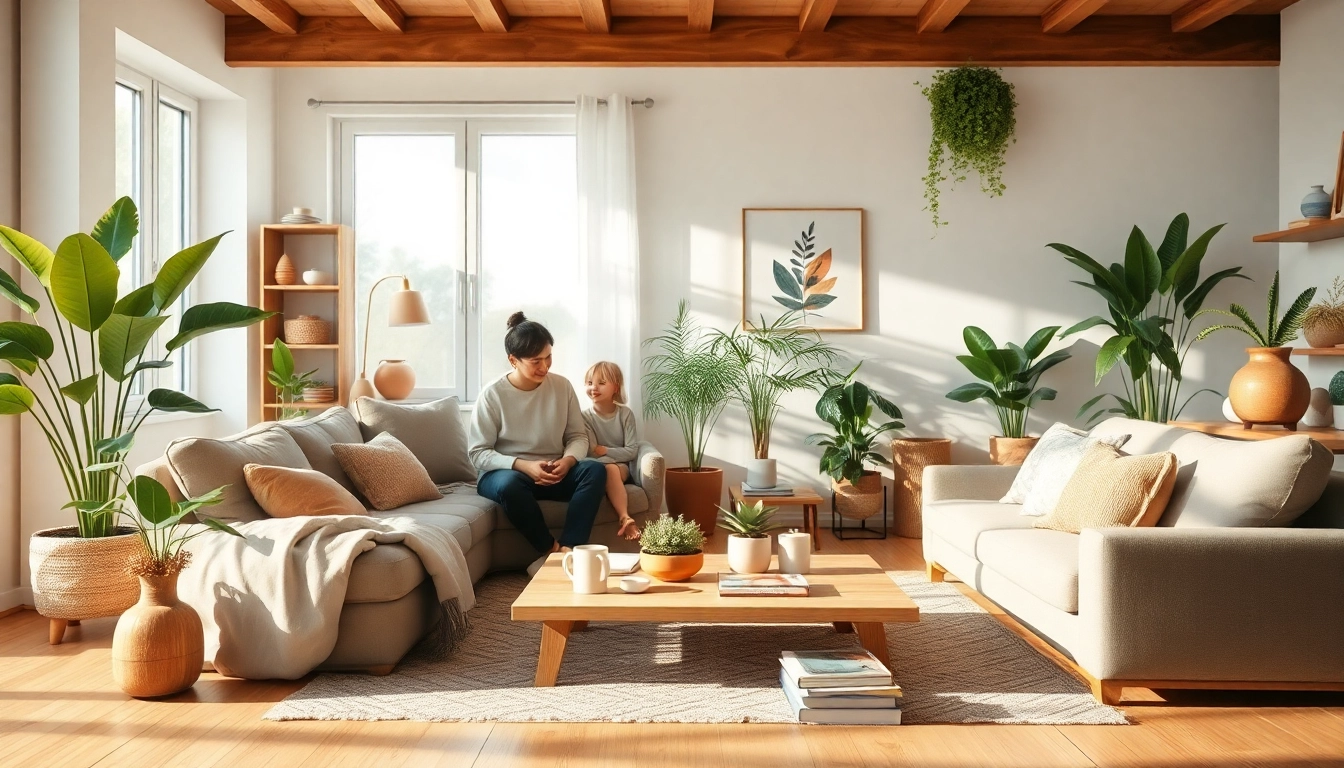
Understanding Sustainable Living at https://sicherlebensraum.de
Sustainable living is no longer just a fad; it’s becoming a necessary choice for individuals and families striving to reduce their environmental footprint. With the increasing awareness of global warming and dwindling natural resources, understanding sustainable living principles at https://sicherlebensraum.de is vital. This lifestyle advocates for environmental responsibility by encouraging practices that benefit not only the planet but also our communities and personal well-being. Let’s delve deeper into what sustainable living entails.
1. Defining Sustainable Living
Sustainable living can be defined as a lifestyle that minimizes an individual's or society's use of the Earth's natural resources. It involves making conscious choices that support the environment and future generations. This lifestyle extends beyond mere conservation; it encompasses a holistic approach that includes energy efficiency, waste reduction, and sustainable sourcing.
At its core, sustainable living encourages a cycle where resources are used wisely, waste is minimized, and ecosystems are preserved. The concept also includes social sustainability, which focuses on ensuring equality and justice within communities, creating a balanced coexistence where human needs and environmental processes can thrive together.
2. Benefits of Going Green in Your Home
Transitioning to a greener lifestyle within your home offers numerous benefits:
- Environmental Impact: Reducing energy consumption and waste helps decrease your carbon footprint, contributing to a healthier planet.
- Health Benefits: Sustainable practices often lead to improved air quality, reduced exposure to harmful chemicals, and the promotion of healthier lifestyles.
- Cost Savings: Energy-efficient solutions can significantly lower utility bills. Furthermore, reducing waste means spending less on disposal.
- Increased Property Value: Eco-friendly homes are increasingly appealing to buyers, potentially enhancing property values.
By embracing these changes, every household can play a significant role in promoting sustainable living.
3. Common Misconceptions About Sustainability
Despite growing awareness, several misconceptions about sustainability persist:
- It’s Expensive: Many believe sustainable living requires significant upfront investment, but numerous cost-effective solutions exist.
- Compromised Comfort: Some think sustainable options may be less comfortable or stylish, but eco-friendly design offers plenty of aesthetically pleasing choices.
- Only for the Affluent: Sustainability is often misperceived as a preference of the wealthy, while anyone can implement eco-friendly practices at any budget.
Dispelling these misconceptions is critical to fostering broader acceptance and pursuit of sustainable living.
Key Strategies for Eco-Friendly Home Design
Designing a sustainable home involves careful consideration of materials, methods, and planning. Below are essential strategies to create an eco-friendly living space.
1. Choosing Sustainable Materials
The materials used in home construction and renovation play a crucial role in sustainability. Opting for renewable, recyclable, and low-impact materials can drastically reduce environmental harm. Consider these choices:
- Recycled Materials: Building products made from recycled content, such as steel and glass, minimize waste.
- Bamboo: A rapidly renewable resource, bamboo is a great alternative to traditional hardwood.
- Low-VOC Products: Choosing paints and finishes with low volatile organic compounds can improve indoor air quality.
Incorporating these sustainable materials into your designs supports a healthier living environment.
2. Implementing Energy-Efficient Solutions
Energy efficiency is a cornerstone of sustainable living. Implementing solutions such as energy-efficient appliances, smart thermostats, and high-quality insulation can greatly reduce energy consumption and promote a greener home. Here are some strategies:
- LED Lighting: Replace incandescent bulbs with LED lights; they require less energy and have a longer lifespan.
- Smart Thermostats: These devices optimize heating and cooling schedules, ensuring maximum efficiency.
- Solar Panels: Installing solar panels can harness renewable energy, decreasing reliance on non-renewable resources.
These steps not only cut costs but also enhance energy conservation efforts.
3. Smart Space Planning and Design
Effective space planning maximizes resources while optimizing comfort and functionality. Here are key principles to consider:
- Multi-Functional Spaces: Create versatile areas that serve more than one purpose.
- Natural Light Utilization: Design for maximum natural light to reduce the need for artificial lighting.
- Indoor-Outdoor Flow: Ensure a seamless transition between indoor and outdoor spaces to enhance air quality and lifestyle.
Thoughtful space design can bring both aesthetic pleasure and sustainability into your home.
Sustainable Gardening Ideas for Families
Gardening can also be an essential aspect of sustainable living. It connects families to nature and enhances biodiversity. Here are some eco-friendly gardening practices:
1. Creating Wildlife-Friendly Gardens
A wildlife-friendly garden invites local wildlife into your yards, benefiting both the ecosystem and your gardening efforts. Here are strategies to cultivate a welcoming environment:
- Native Plants: Use native plants that attract local pollinators and require less water and maintenance.
- Diverse Planting: Encourage biodiversity by planting a variety of trees, shrubs, and flowers that provide habitats for various species.
- Water Features: Incorporating ponds or birdbaths offers hydration sources for wildlife.
These practices not only support local ecosystems but also provide educational opportunities for children.
2. Practical Tips for Home Vegetable Gardens
Home vegetable gardens are an excellent way to promote sustainability through local food sourcing. Here are tips to get started:
- Companion Planting: Utilize companion planting techniques to enhance growth and repel pests naturally.
- Organic Practices: Engage in organic gardening by avoiding synthetic pesticides and fertilizers.
- Seasonal Planning: Plan your garden around seasonal crops for optimal yield and flavor.
Gardening can serve as a family activity and an essential lesson in sustainability.
3. Enhancing Outdoor Spaces with Eco-Friendly Designs
Eco-friendly outdoor designs foster sustainable practices while creating beautiful space. Consider these strategies:
- Rainwater Harvesting: Install rain barrels to collect rainwater for irrigation.
- Sustainable Hardscaping: Use permeable materials that allow for better water drainage and promote groundwater recharge.
- Composting Areas: Set up compost bins to recycle food scraps and yard waste into nutrient-rich soil amendments.
Using these strategies can create aesthetically pleasing and functional outdoor spaces while adhering to sustainable principles.
Healthy Eating and Nutrition Practices
Eating sustainably is a pivotal aspect of overall sustainable living. Introducing healthy nutrition practices not only benefits individual health but also promotes ecological balance.
1. Integrating Local and Organic Food Choices
Supporting local farmers and choosing organic foods can significantly impact sustainability. Here are steps to integrate these choices:
- Farmers’ Markets: Buy seasonal produce from local markets to support community agriculture.
- Community Supported Agriculture (CSA): Consider joining a CSA for direct access to local, organic produce.
- Growing Your Own: Start a small vegetable garden to reduce reliance on store-bought produce and packaging.
These efforts promote health and cultivate a connection with local food systems.
2. Meal Planning for Sustainable Family Nutrition
Effective meal planning can reduce food waste and ensure balanced meals. Here are best practices:
- Batch Cooking: Prepare meals in bulk to reduce waste and save time during the week.
- Seasonal Menus: Plan meals around seasonal ingredients to maximize flavor and minimize environmental impact.
- Waste Management: Implement waste-reducing practices, such as utilizing leftovers creatively.
Not only does this approach foster a sustainable lifestyle, but it can also save money.
3. Educating Children on Healthy Eating Habits
Teaching children about healthy eating and sustainability is crucial for fostering a generation that values these principles. Here are ideas to engage children:
- Cooking Together: Include children in meal preparation to instill confidence and an understanding of healthy choices.
- Gardening: Involve them in gardening to help them understand where their food comes from.
- Educational Activities: Use games and books focused on nutrition and sustainability to enhance learning.
Education is the foundation for cultivating environmentally conscious adults.
Engaging in Community Sustainability Efforts
Individual action is critical, but community involvement amplifies the impact of sustainability practices. Here’s how to engage effectively:
1. Volunteering for Local Environmental Initiatives
Participating in local environmental programs can enhance your community while contributing to sustainable practices. Opportunities include:
- Community Clean-Ups: Join efforts to clean local parks or waterways to improve community environments.
- Tree Planting Events: Participate in initiatives to plant trees and improve urban sustainability.
- Education Programs: Volunteer to help educate others about environmental stewardship.
Working together on environmental initiatives fosters a stronger sense of community and shared responsibility.
2. Collaborating with Neighbors for Sustainable Practices
Building a supportive network within your neighborhood can facilitate sustainable living. Consider these collaboration strategies:
- Shared Resources: Organize a tool library or shared garden space to reduce individual consumption.
- Neighborhood Events: Host potlucks or workshops focused on sustainability topics.
- Group Initiatives: Form a cooperative to purchase renewable energy or invest collectively in solar panels.
Collaborative efforts enhance the sustainable living mission and build community ties.
3. Utilizing Community Resources for Sustainable Living
Many communities offer resources that support sustainable living. Here are ways to leverage these:
- Local Governments: Check for programs advocating for recycling or energy efficiency.
- Nonprofit Organizations: Collaborate with local enviro NGOs for educational opportunities and advocacy.
- Community Classes: Attend workshops on sustainable practices like composting or organic gardening.
Leveraging community resources can empower families and strengthen the sustainable living movement.