Understanding the Importance of a Trade Show Booth
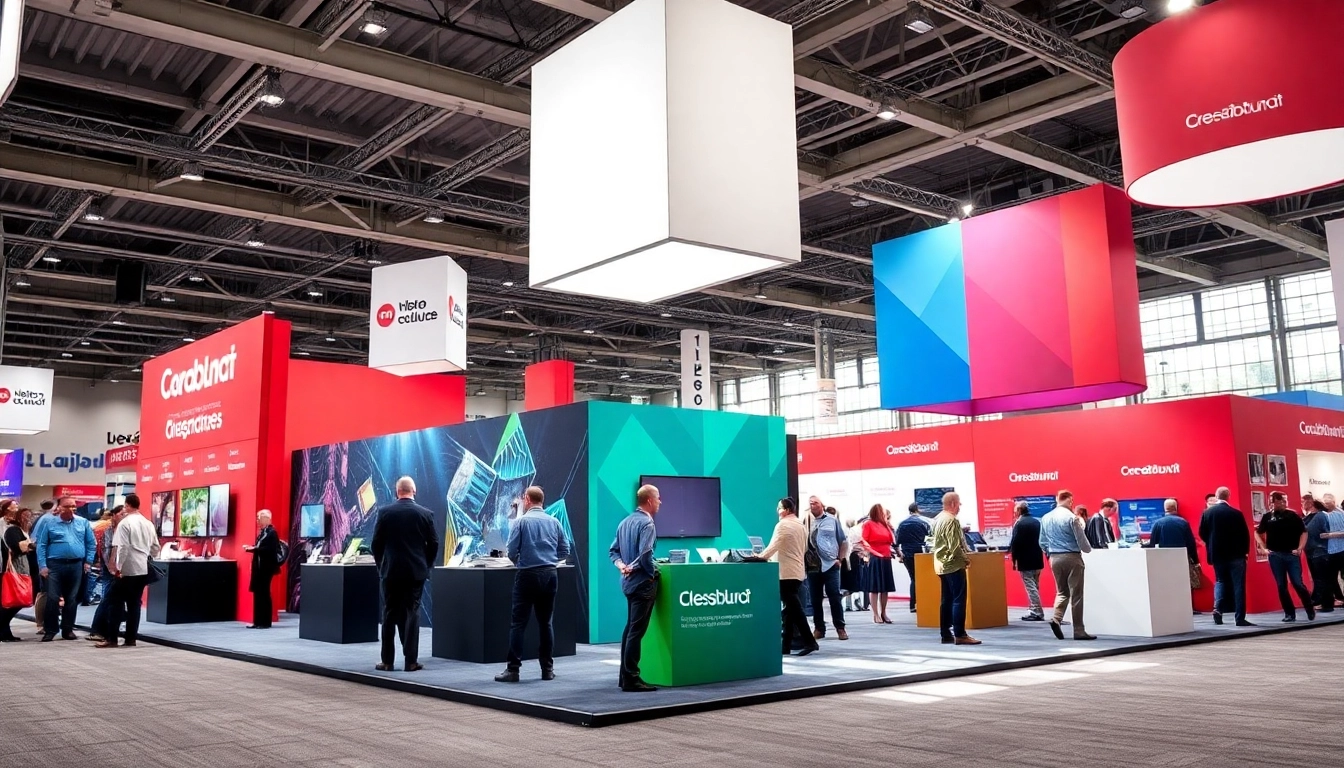
In the dynamic world of marketing, creating impactful connections with potential customers is crucial, especially in highly competitive environments like trade shows. A well-designed trade show booth acts as a powerful tool to intrigue and engage attendees, ensuring your brand is memorable. Here, we explore the vital aspects of a trade show booth that can contribute significantly to your marketing success.
Benefits of an Engaging Trade Show Booth
An effective trade show booth does more than just attract foot traffic; it creates an engaging experience that resonates with visitors. Here are several benefits:
- Enhanced First Impressions: A visually appealing booth immediately captures the attention of attendees, establishing a positive first impression of your brand.
- Interaction Opportunities: A well-structured booth encourages interaction, allowing visitors to connect emotionally with your products and services.
- Lead Generation: By showcasing your offerings effectively, you can capture leads through sign-up sheets, business cards, or digital forms, translating into potential sales.
- Brand Awareness: Consistent branding and messaging in your booth help solidify brand recognition amongst attendees.
How a Trade Show Booth Enhances Brand Visibility
A trade show booth serves as a portable marketing platform that amplifies your brand’s visibility. Here’s how:
- Strategic Location: Positioning your booth adequately on the show floor can enhance visibility. High-traffic areas are ideal for attracting a larger audience.
- Brand Storytelling: Use graphics, videos, and content to narrate your brand story, creating a connection with visitors that goes beyond mere product information.
- Social Media Integration: Incorporate hashtags and social media handles to encourage shares and mentions, expanding your outreach even beyond the event.
Key Elements of a Successful Trade Show Booth
Several components significantly influence the success of a trade show booth:
- Design and Layout: The booth should have a cohesive design that aligns with your brand identity, making it easily recognizable.
- Interactive Displays: Consider incorporating technology, such as touch screens or VR experiences, to engage visitors.
- Promotional Materials: High-quality brochures, business cards, and merchandise can serve as takeaways that keep your brand top-of-mind.
Designing Your Trade Show Booth: Best Practices
Choosing the Right Layout for a Trade Show Booth
The booth layout should facilitate a smooth flow of traffic, allowing visitors to explore without feeling crowded. Common layouts include:
- Linear Layout: Ideal for long, narrow spaces, this layout creates a straightforward path for attendees.
- Island Layout: For booths with space on all sides, an island layout enables visitors to enter from multiple directions, enhancing accessibility.
- Perimeter Layout: Positioned along the outside edges of the exhibition hall, these booths can draw in traffic from those exploring the center.
Effective Use of Colors and Graphics in a Trade Show Booth
Color psychology plays a pivotal role in booth aesthetics. Here are tips for optimizing your color palette and graphics:
- Brand Colors: Utilize your brand colors to establish consistency across all marketing materials.
- Contrasting Colors: Use contrasting colors to make your key messaging or product displays stand out.
- High-Quality Graphics: Ensure that graphics are high-resolution and relevant to your audience, fostering a professional appearance.
Incorporating Interactive Elements in Your Trade Show Booth
Adding interactive components can significantly boost visitor engagement. Consider the following:
- Gamification: Create games related to your brand or products; this can draw in more foot traffic.
- Live Demonstrations: Showcase your products in action to give potential customers a clear understanding of benefits.
- Feedback Stations: Provide opportunities for visitors to leave feedback on your products or services, fostering a sense of involvement.
Cost Considerations for Your Trade Show Booth
Budgeting for Design and Construction of a Trade Show Booth
Creating a trade show booth requires careful financial planning. Major expenses typically include:
- Design and Production: This includes costs for booth construction, design services, and graphics.
- Logistics: Factor in shipping costs, storage, and any rental equipment needed.
- Staffing: Ensure you budget for travel, accommodations, and compensation for staff working the event.
Cost-Effective Strategies for Smaller Businesses
Small businesses can still create impactful booths by considering these approaches:
- Modular Booth Options: Invest in modular displays that can be reused and reconfigured for different events.
- DIY Elements: Consider creating some booth components in-house to reduce labor costs.
- Networking: Partner with other businesses to share booth space, effectively reducing costs for both parties.
Evaluating ROI from Your Trade Show Booth Investment
Measuring the return on investment (ROI) from your trade show participation is essential for assessing its effectiveness. Here are strategies:
- Tracking Leads: Use digital forms to capture leads and analyze conversion rates post-event.
- Sales Growth: Monitor sales increases that correlate with the trade show to assess impact.
- Brand Exposure Metrics: Evaluate social media mentions and website traffic post-event for indications of increased visibility.
Promoting Your Trade Show Booth Ahead of the Event
Utilizing Social Media to Generate Interest in Your Trade Show Booth
Social media serves as a powerful tool for creating buzz before the trade show. Consider the following tactics:
- Event Countdown: Build anticipation with countdown posts leading to the event date.
- Engaging Content: Share teasers about what visitors can expect at your booth, such as special promotions or interactive experiences.
- Influencer Collaborations: Partner with industry influencers to widen your reach and attract more attendees to your booth.
Creating Pre-Event Marketing Materials for Your Trade Show Booth
Effective marketing materials can guide attendees to your booth. Here are some ideas:
- Email Campaigns: Craft targeted emails to your subscriber list, announcing your booth location and what attendees can look forward to.
- Flyers and Brochures: Distribute these materials at previous events or send digitally to spark interest.
- Blog Posts: Publish blog content about the event, including your participation and unique booth offerings.
Networking Tips to Maximize Traffic to Your Trade Show Booth
Maximizing booth traffic often hinges on effective networking. Consider these strategies:
- Schedule Meetings: Reach out to key contacts in advance to schedule one-on-one conversations at the trade show.
- Utilize Business Cards: Distribute cards widely to ensure potential clients remember you after the event.
- Engage on the Exhibition Floor: Encourage booth staff to actively engage with passersby, promoting a friendly and inviting atmosphere.
Measuring the Success of Your Trade Show Booth
Setting KPIs for Your Trade Show Booth Performance
Key performance indicators (KPIs) provide benchmarks to evaluate your booth’s success. Consider the following metrics:
- Lead Conversion Rate: Track how many leads became customers post-event to calculate effectiveness.
- Visitor Engagement: Measure how many attendees interacted with your booth through demos, contests, or sign-ups.
- Social Media Activity: Monitor the engagement on social media related to your trade show participation.
Collecting and Analyzing Data During the Event
Gathering data on-site can help refine your strategies. Actions include:
- Real-time Feedback: Use polls or surveys during the event to gauge visitor satisfaction and preferences.
- Lead Tracking: Ensure that each contact is recorded systematically for follow-up later.
Post-Event Strategies to Follow Up on Leads from Your Trade Show Booth
Following up after the event is crucial for converting leads into customers:
- Email Follow-Ups: Send personalized emails to contacts made during the event, thanking them for visiting your booth.
- Content Sharing: Provide additional resources, such as e-books or webinars, that relate to their interests discussed at the show.
- Feedback Requests: Ask leads for their opinions on your booth and offerings, positioning yourself as someone who values their input.